
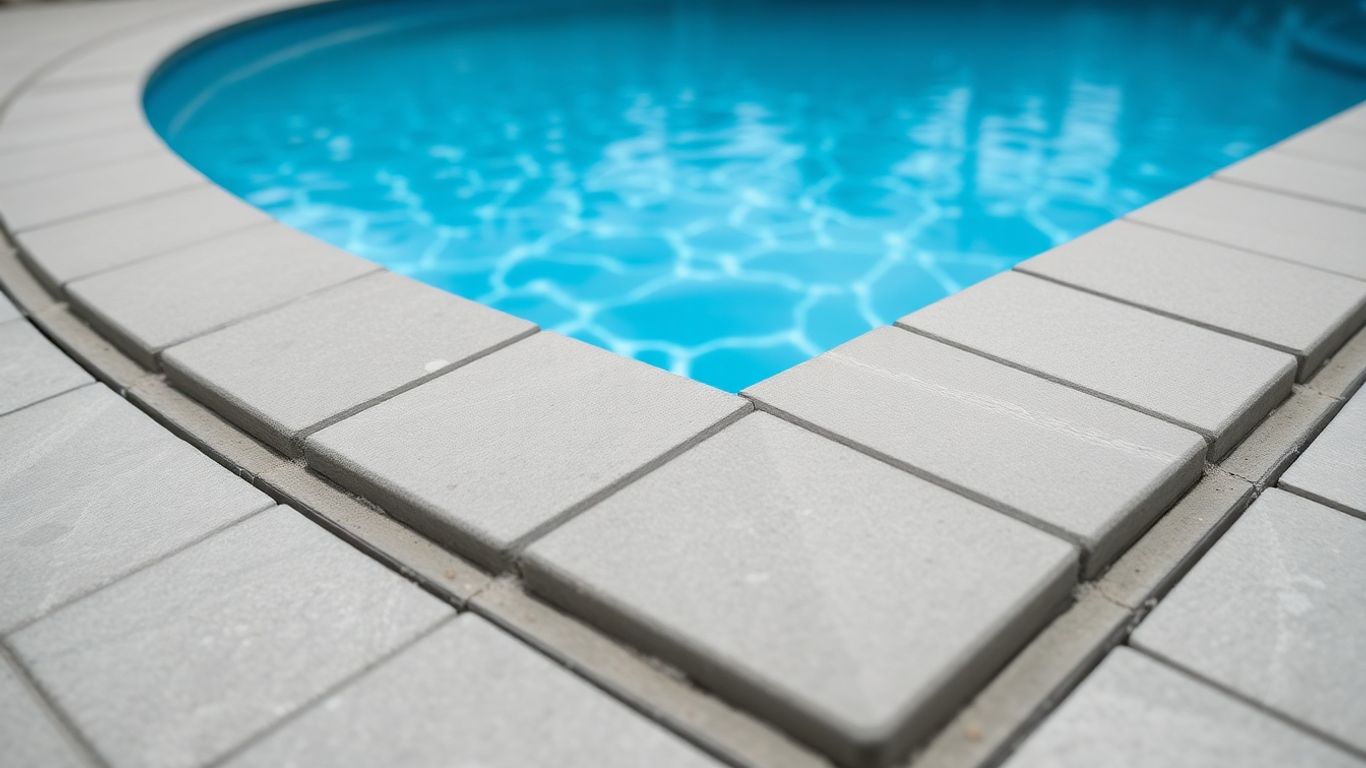
So, you’re thinking about updating your pool area and want it to look sharp and modern? That’s a great idea. The edge of your pool, the part that meets the deck or patio, is called the coping. And lately, there has been a significant shift towards using interlock pool coping for a clean, put-together look. It’s not just about how it looks, though; it’s also about making sure your pool is safe and easy to use. Let’s explore the latest trends in interlock pool coping for those fresh, modern pool designs.
Key Takeaways
- Interlock pool coping provides a smooth, finished edge around your pool, improving both safety and appearance.
- Modern designs often favor sleek, minimalist looks, with interlocking pavers offering a clean aesthetic.
- Natural stone options like Sandstone Bullnose are popular for their durability and cool-to-the-touch surfaces.
- Pavers with rounded edges, such as Bullnose Grande and Bali Travertina Raw, make getting in and out of the pool easier and safer.
- Choosing the right interlock pool coping can tie your entire backyard landscape together, creating a cohesive and stylish outdoor living space.
What is Interlock Pool Coping?
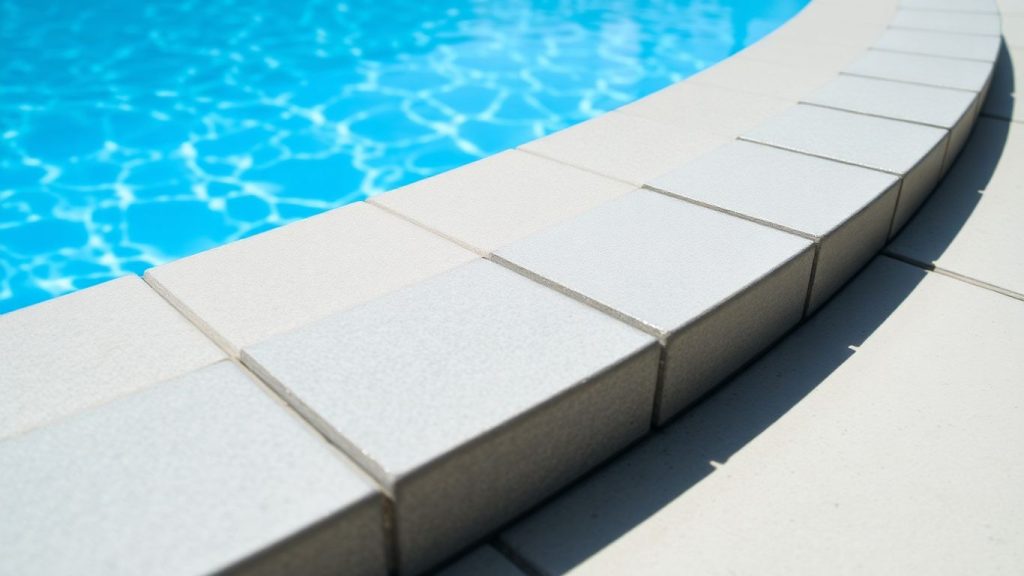
So, you’re looking into pool upgrades and keep hearing about “interlock pool coping.” What exactly is it? Think of it as the finishing edge around your pool. It’s that special material that caps the top of the pool wall, right where it meets the deck or patio.
This isn’t just for looks, though. The primary job of pool coping is to provide a safe, smooth transition from the pool deck into the water, and vice versa. It covers the bond beam, which in many inground pools has exposed steel that needs to be hidden for safety. Plus, it helps keep water, dirt, and debris from splashing back into your pool, which is a nice bonus.
When people talk about interlock pool coping, they’re often referring to pavers that fit together snugly, almost like a puzzle. This interlocking design helps create a stable and cohesive edge. It’s a bit like how you might approach Interlock Driveway Repair – you want those pieces to fit perfectly to avoid problems down the line. These pavers come in a variety of materials, colors, and finishes, giving you a lot of freedom to match your pool’s overall style.
Here’s a quick breakdown of why it’s important:
- Safety: Provides a non-slip surface for getting in and out of the pool.
- Protection: Shields the pool structure and keeps unwanted elements out.
- Aesthetics: Offers a polished look and a chance to personalize your pool area.
Choosing the right coping is a big deal for both how your pool looks and how it functions. It’s the frame for your watery oasis, and getting it right makes a huge difference.
Why Choose Interlock Pool Coping for Modern Designs?
So, you’re thinking about updating your pool area and want something that looks sharp and works well. That’s where interlock pool coping really shines, especially for those modern pool vibes.
First off, let’s talk looks. Modern design is all about clean lines and a cohesive feel. Interlock pavers, with their variety of colors, textures, and finishes, let you really nail that sleek aesthetic. You can pick something smooth and minimalist, or go for a more natural stone look that still feels contemporary. It’s not just about the pool itself, but how the whole area flows together. This is where you can really make your backyard stand out.
But it’s not just about looking good. Safety is a big deal around pools, right? Interlock pavers offer a great surface that’s less likely to get slippery when wet. Plus, many have a slightly rounded edge, which is way more comfortable and safer for getting in and out of the water compared to a sharp edge. Think about kids running around – that little bit of extra comfort makes a difference.
Here are a few reasons why it fits so well with modern pools:
- Design Flexibility: You’re not stuck with just one look. Mix and match colors or paver styles to create a unique border that complements your home and landscape.
- Durability: These pavers are built to last. They handle weather changes, pool chemicals, and foot traffic without breaking down easily.
- Drainage: The way interlock pavers are set up means water can drain away effectively. This helps prevent puddles and keeps the area around your pool safer and cleaner. This is a big plus for pool interlocking.
- Comfort: Rounded edges and cooler surface options mean a more pleasant experience on hot days.
When you’re going for a modern look, every detail counts. The coping is one of the first things people see, and it sets the tone for the entire pool area. Getting it right means a space that’s both beautiful and functional for years to come.
Choosing interlock coping means you’re getting a material that’s practical, safe, and looks fantastic. It’s a smart choice for anyone wanting a pool that’s as stylish as it is enjoyable.
Top 10 Interlock Pool Coping Trends
Alright, let’s talk about what’s hot in pool coping right now, especially if you’re going for that sleek, modern look. It’s not just about what looks good, but also what works best for your backyard.
When you’re picking out your pool coping, think about how it ties into the whole outdoor space. It’s more than just the edge of the pool; it’s part of your entire landscape design. We’re seeing a big move towards materials that feel natural but are built to last. Think about stone pool edging ideas that mimic nature but offer that clean, contemporary finish. The goal is to create a cohesive look that flows from your house right out to the water’s edge.
Here are some of the top trends making waves:
- Natural Stone Looks: Homeowners are really digging pavers that look like natural stone, like travertine or sandstone. They bring a touch of earthy elegance but are super durable and low-maintenance. Plus, many have rounded edges, which is way nicer for getting in and out of the pool, especially on hot days when stones can get warm.
- Sleek and Minimalist: For a truly modern vibe, smooth, clean lines are in. Think pavers with minimal texture and a consistent color palette. These often extend from the patio right up to the pool, making the whole area feel like one continuous space. It’s all about that seamless transition.
- Color Coordination: It’s not just about the pool itself anymore. People are really paying attention to how the coping color works with the pool finish, the decking, and even the surrounding landscape. Getting this right creates a really harmonious and luxurious feel.
- Bullnose Edges: While sharp edges have their place, the rounded bullnose style is a consistent favorite. It’s safer, especially for families with kids, and just feels more comfortable. It’s a classic for a reason, and it fits perfectly with modern designs too.
- Large Format Pavers: Bigger is often better when it comes to creating a sense of spaciousness. Large-format coping pavers can make your pool area look more expansive and sophisticated. They also mean fewer grout lines, which contributes to that clean, modern aesthetic.
- Integrated Lighting: While not strictly a coping material, the trend of incorporating lighting into the pool deck and coping area is huge. It adds ambiance and extends the usability of your pool area into the evening. Some coping designs are made with this in mind.
- Travertine Pavers: These continue to be a top choice for their natural beauty, durability, and cooling properties. They offer a timeless look that can be adapted to many modern pool designs. You can find them in various colors and finishes.
- Porcelain Pavers: For ultimate durability and a very modern, sleek finish, porcelain is gaining traction. It’s resistant to stains, fading, and frost, making it a practical choice for many climates. It offers a very refined look.
- Textured Finishes: While smooth is popular, some modern designs are incorporating subtle textures for added grip and visual interest. These textures can mimic natural stone or concrete, adding depth without being overwhelming.
- Customization Options: With so many outdoor pool coping options available, people are looking for ways to customize. This could be through unique color combinations, paver patterns, or even mixing different materials for a truly one-of-a-kind look that complements their specific landscape.
Choosing the right interlock pool coping is a big decision. It impacts the look, feel, and safety of your pool area. Thinking about these trends can help you make a choice that you’ll be happy with for years to come, creating a beautiful and functional outdoor oasis.
When you’re planning your pool project, remember that the coping is a key element. It’s where the pool meets the rest of your yard, so it needs to be both beautiful and functional. Considering these modern pool edging styles will help you create a space that’s not only stylish but also a joy to use.
Benefits of Installing Pool Coping Pavers
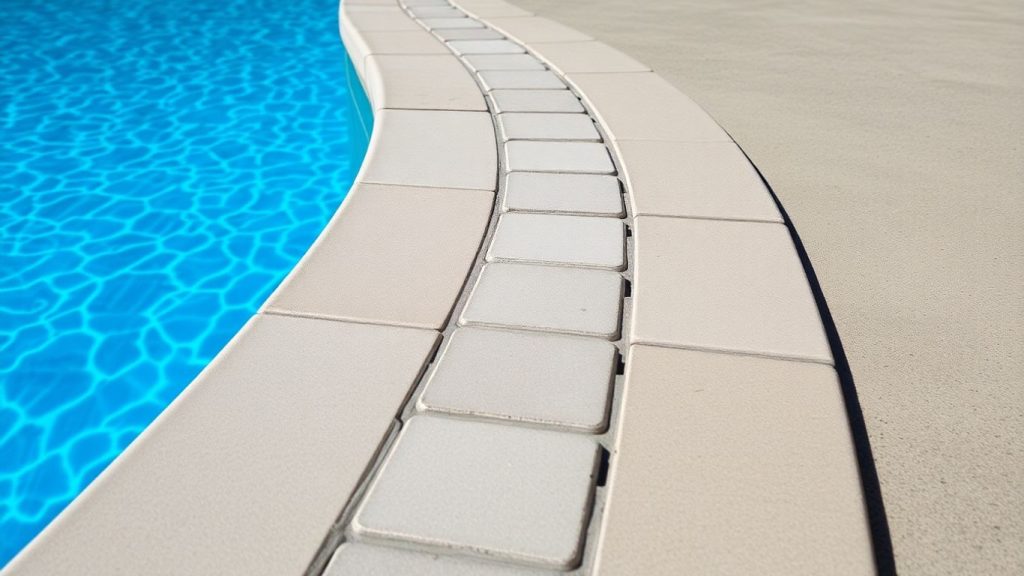
When you’re thinking about upgrading your pool area, choosing the right materials for the edge is a big deal. That’s where pool coping pavers come in. They’re not just there to look pretty; they do some important jobs.
First off, these pavers create a safe transition from your pool deck to the water. Think about it – a smooth, often slightly rounded edge makes getting in and out much easier and safer, especially for kids. Plus, many paver options have a natural texture that helps prevent slips, which is a huge plus around any pool.
Beyond safety, pavers add a lot to the overall look of your pool. They tie together the entire hardscape, making the whole backyard feel more put-together. You can pick colors and styles that match your patio or house, giving your pool a really finished appearance.
Here are some key advantages:
- Durability: Pavers are built tough. They can handle the sun, pool chemicals, and general wear and tear without breaking down easily. Many come with long warranties, which is pretty reassuring.
- Design Flexibility: You’ve got tons of options when it comes to colors, shapes, and textures. This means you can really customize the look to fit your personal style and the rest of your outdoor space.
- Low Maintenance: Compared to some other materials, pavers are pretty easy to care for. A good sweep and occasional cleaning usually do the trick. If one gets damaged, it’s often simple to replace just that one piece without redoing the whole edge.
- Comfort: Many paver pool surrounds feel good underfoot, even on hot days. They don’t get as scorching as some other surfaces might.
Installing paver pool coping is a smart move for both looks and function. It’s an investment that pays off in safety, style, and ease of upkeep for your outdoor oasis.
They also help keep your pool clean. By acting as a barrier, they stop dirt, leaves, and other debris from washing directly into the pool water, meaning less work for your filter and less time spent skimming.
Common Mistakes to Avoid When Choosing Pool Coping
Picking out the right pool coping can feel like a big decision, and honestly, it is. But it’s easy to mess up if you’re not careful. One of the most common slip-ups is not thinking about the material’s durability in your specific climate. What works great in a dry, warm place might crack or fade fast in areas with freezing winters or intense sun. Always consider how the material will hold up year-round.
Another biggie is forgetting about safety. Coping should provide a non-slip surface, especially around a pool where things get wet. Choosing a super smooth, glossy material might look fancy, but it can become a hazard. Think about how it feels under bare feet, even when wet.
Here are a few other things people often get wrong:
- Ignoring the base preparation: This is huge. If the ground underneath isn’t properly prepped and compacted, your coping can sink or shift over time. It’s like building a house on sand – it’s just not going to last. Proper depth and the right aggregate are essential for a durable and stable interlock installation.
- Mismatching styles: While mixing and matching can be cool, sometimes it just looks messy. Make sure your coping complements the rest of your pool deck and landscape. A cohesive look is usually more pleasing.
- Not planning for drainage: Coping isn’t just for looks; it helps direct water away from the pool. If it’s installed flat or slopes the wrong way, you’ll end up with standing water, which can lead to all sorts of problems.
Don’t just pick the cheapest option or the one that looks best in a magazine photo. Think long-term. Consider the maintenance involved, how it will feel to walk on, and if it actually fits your lifestyle and local weather.
Finally, some folks forget about the overhang. That little bit of edge that extends over the pool wall is important for both looks and function. Too little, and it might not look right; too much, and it could be a tripping hazard. Aim for a consistent 1-inch overhang for a balanced appearance.
Signs Your Pool Coping Needs Repair or Replacement
Your pool coping is more than just a pretty edge; it’s a critical part of your pool’s structure and safety. Over time, though, even the best materials can show wear and tear. Ignoring these signs can lead to bigger problems down the line, not to mention safety hazards.
So, how do you know when it’s time to call in the pros for a repair or replacement? Keep an eye out for these common indicators:
- Cracks and Chips: Look for any visible cracks, no matter how small, or chipped edges on the coping stones. These can be caused by freeze-thaw cycles, ground movement, or impact. Small cracks can let water seep underneath, leading to more significant damage.
- Loose or Shifting Coping: If you notice any sections of the coping that feel loose, wobble when you step on them, or seem to be sinking or pulling away from the pool edge, it’s a clear sign that the underlying support has failed.
- Uneven Surfaces: Coping that is no longer level, with high and low spots, creates tripping hazards. This unevenness often points to issues with the base material or the mortar holding the coping in place.
- Spalling or Surface Deterioration: This is when the surface of the coping material starts to flake off or pit. It can make the coping look rough and worn, and it also reduces its non-slip properties.
- Mold, Mildew, or Algae Buildup: While some of this can be cleaned, persistent growth that seems to be embedded in the material, especially in cracks or porous areas, might indicate that the coping is degrading and holding onto moisture.
- Water Pooling: If water consistently pools on the coping or around the edge of the pool instead of draining away properly, it suggests that the coping is no longer pitched correctly or that the drainage system beneath it is compromised.
It’s easy to think of pool coping as just a decorative element, but it plays a vital role in protecting your pool’s structure. It acts as a barrier, directing water away from the pool walls and preventing it from seeping into the foundation. When this barrier starts to fail, it can expose the pool’s structure to moisture damage, which can be costly to fix.
If you’re seeing any of these issues, it’s best to get them checked out sooner rather than later. A little maintenance now can save you a lot of headaches and expense in the future.
Maintenance Checklist for Long-Lasting Pool Coping
Keeping your interlock pool coping looking good and working right doesn’t have to be a huge chore. A little regular attention goes a long way in protecting your investment and keeping your pool area safe and attractive. Think of it like giving your car an oil change – you do it to prevent bigger, more expensive problems down the road.
Here’s a simple rundown of what to do:
- Regular Cleaning: Sweep away leaves, dirt, and any other debris that lands on the coping. For tougher spots, a gentle scrub with water and a mild soap should do the trick. Avoid harsh chemicals, as they can damage the pool deck materials over time.
- Inspect for Cracks or Gaps: Periodically walk around your pool and look closely at the coping. See any loose stones, cracks, or gaps where water might seep in? Address these issues sooner rather than later. Small problems can become big headaches if ignored.
- Check the Sealant (if applicable): If your coping has a sealant, check its condition every year or two. If it looks worn or is peeling, it might be time for a reapplication to keep water out and protect the pavers.
- Monitor Drainage: Make sure water is flowing away from the pool and not pooling on the coping or the surrounding deck. Proper drainage is key to preventing damage to the base and the coping itself.
The foundation of good coping maintenance starts with its installation. If the initial setup wasn’t quite right, even the best upkeep might not be enough. Things like proper base preparation and correct setting of the stones are critical from day one.
A quick check after the winter months is especially important to catch any damage that might have occurred from freezing and thawing cycles. This proactive approach helps maintain the integrity of your pool deck materials and keeps your coping looking sharp for years to come.
Conclusion
So, we’ve gone through a bunch of cool ideas for interlock pool coping that really fit with how people are designing their backyards these days. It’s not just about making the pool look nice, you know? It’s about creating a whole outdoor living space that works for you.
Choosing the right interlock coping can seriously change how your pool area feels and functions.
Think about it:
- Style: From sleek, modern lines to more natural, stone looks, there’s an interlock option for pretty much any vibe.
- Functionality: Coping isn’t just decorative; it’s the edge of your pool! Good coping makes it safer and easier to get in and out.
- Durability: You want something that can handle the sun, the water, and all the foot traffic without falling apart.
We talked about how trends like mixing materials, using natural stones, and even incorporating lighting are making waves. It’s all about making your pool area feel like a real extension of your home, a place where you can relax and entertain.
The key takeaway is that modern pool design is about more than just the water. It’s about the edges, the surrounding space, and how it all comes together to create an experience. Interlock coping plays a big part in that.
Ultimately, picking the right interlock pool coping is a big decision for your backyard project. It ties everything together and makes a real difference in the look and feel of your pool. So, take your time, consider the trends, and pick something you’ll love for years to come.
We’ve covered a lot about making your yard look great. If you’re ready to transform your outdoor space, don’t wait! Visit our website today to learn more about our services and get a free quote.
Wrapping It Up
So, we’ve looked at a bunch of cool ways to finish off your pool with interlock coping. Whether you’re going for that super modern, clean look with something like Raffinato Smooth, or you want the natural feel of Sandstone Bullnose, there are tons of options out there. It’s not just about how it looks, either. Good coping makes getting in and out of the pool safer and keeps junk from falling in. Think about what vibe you’re going for in your backyard and pick something that fits. It’s a small detail that really makes a big difference in the whole pool area.
Frequently Asked Questions
What exactly is interlock pool coping?
Interlock pool coping is like the special edge or cap that goes around the top of your pool. It covers the edge of the pool wall where it meets the ground. Think of it as a protective border that also makes your pool look finished and stylish. It helps keep water and dirt out of the pool and provides a safe place to step in and out.
Why is interlock coping a good choice for modern pools?
Modern pool designs often go for clean lines and a sleek look. Interlock coping can offer just that! Many styles have smooth textures and simple shapes that fit perfectly with contemporary styles. Plus, they come in lots of colors and finishes, so you can match them to your patio and create a really cohesive, up-to-date look for your backyard.
Are interlock coping pavers safe?
Yes, safety is a big reason people choose interlock coping. Many styles have rounded edges, which are much nicer to hold onto and make it easier and safer to get in and out of the pool. They also help prevent slips by giving you a more stable surface to walk on around the pool’s edge.
Can I use interlock coping with different pool shapes?
Absolutely! Interlock coping is very versatile. Whether you have a classic rectangular pool, a freeform shape, or something totally unique, you can find interlock pavers that will work. They can be cut and fitted to follow almost any curve or angle, making them suitable for all sorts of pool designs.
What’s the difference between interlock coping and other pool edge materials?
Other materials might include poured concrete, natural stone slabs, or brick. Interlock coping, which is made from concrete pavers, often offers more variety in color, texture, and pattern. It also provides a more finished look compared to plain concrete and can be more budget-friendly than some natural stones, while still being very durable.
How do I choose the right interlock coping for my pool?
When picking your coping, think about the overall style you want for your backyard. Consider the color and texture of your pool tiles and patio. Also, think about safety – rounded edges are great for easy entry and exit. Durability is important too, so look for high-quality pavers that can handle weather and lots of use. It’s a good idea to look at samples and see how they look next to your pool.