

Getting your raised garden bed the right amount of water is super important. I learned this the hard way when I first started out. My plants just weren’t doing great, and I figured out it was my watering. If you’re like me and live somewhere dry, or just want your plants to be happier, you’ve got to get your watering system sorted. Let’s talk about how to make sure your raised garden bed gets just what it needs.
Key Takeaways
- Consistent watering is vital for healthy plants in raised garden beds, especially in dry climates.
- Automatic watering systems, like drip irrigation, save time and water by delivering moisture directly to the roots.
- When choosing a system, consider ease of installation, even water distribution, and durability.
- Proper installation and regular maintenance of your watering system will keep it working well.
- Watering in the early morning is best, and always check soil moisture to avoid over or underwatering.
Why Proper Irrigation Matters for Raised Garden Beds
So, you’ve put in the effort to build some nice raised garden beds. That’s great! But now comes the part that many gardeners, especially beginners, sometimes overlook: watering. It might seem straightforward, but getting the water right is actually a pretty big deal for your plants.
Think about it. Raised beds, especially those with good drainage (which is a good thing!), can dry out faster than in-ground gardens. This means your plants are more susceptible to stress from thirst. Consistent moisture is key to healthy root development and overall plant vigor. When plants are constantly stressed by drying out and then getting soaked, they don’t grow as well, produce fewer flowers or fruits, and are generally weaker.
This is where proper irrigation comes in. It’s not just about dumping water on the soil; it’s about delivering the right amount, at the right time, directly to where the plants need it – the roots. This is especially true for container gardens, and raised beds are essentially large containers. Even hardscape designers who focus on patios and walkways often consider the watering needs of adjacent garden beds.
Here’s why it’s so important:
- Plant Health: Consistent watering prevents wilting, reduces stress, and helps plants absorb nutrients more effectively. Think of it like giving them a steady drink instead of a sudden gulp followed by a long thirst.
- Yield and Quality: Well-watered plants are more productive. Whether you’re growing vegetables, fruits, or flowers, you’ll see better results in terms of size, quantity, and flavor.
- Disease Prevention: Overwatering or watering the leaves can lead to fungal diseases. A good irrigation system targets the soil, keeping foliage dry and healthier.
- Water Conservation: Efficient watering systems deliver water directly to the roots, minimizing evaporation and runoff. This means you use less water overall, which is good for your wallet and the environment.
When you’re setting up your raised beds, planning your watering strategy from the start saves a lot of headaches later on. It’s easy to think you’ll just grab a hose, but as your garden grows and the weather gets hotter, that becomes a chore you might start to skip. Having a system in place means your plants get what they need, even when life gets busy.
Getting the irrigation right means less work for you in the long run and happier, healthier plants all season long.
Types of Raised Garden Bed Irrigation Systems
Alright, so you’ve got your raised beds all set up, looking pretty neat. Now comes the big question: how are you actually going to water them? It’s not as simple as just grabbing a hose and hoping for the best, especially if you want your plants to really thrive. There are a bunch of ways to get water to your garden beds, and some are definitely better than others.
Let’s break down some of the most common options you’ll see:
-
- Hand Watering: This is the most basic. You grab a watering can or a hose with a spray nozzle and go to town. It’s good for getting up close and personal with your plants, so you can spot pests or diseases early. Plus, you have total control over where the water goes. However, it can be super time-consuming, especially if you have several beds, and it’s easy to forget or not water enough when you’re busy.
How to Choose the Right Watering System
Picking the best watering system for your raised garden beds can feel a bit overwhelming with all the options out there. But honestly, it doesn’t have to be super complicated. The key is to match the system to your garden’s needs and your own lifestyle. Think about how much time you have, your budget, and what kind of plants you’re growing.
Here’s a quick rundown of what to consider:
- Your Garden Size and Layout: A few small containers might just need a watering can or a simple hose nozzle. For larger beds, you’ll want something that covers more ground efficiently.
- Your Climate: If you live somewhere really hot and dry, consistent watering is a big deal. You’ll want a system that can deliver water reliably without you having to constantly monitor it.
- Your Budget: Some systems are pretty cheap to set up, while others are a bigger investment upfront.
- Your Time Commitment: Are you home most of the day, or do you travel a lot? An automatic timer can be a lifesaver if you’re often away.
Let’s look at some common types and where they fit best:
| System Type | Best For | Pros | Cons |
|---|---|---|---|
| Hand Watering | Small gardens, containers, new seedlings | Cheap, simple, direct control | Time-consuming, inconsistent, can over/underwater |
| Drip Irrigation | Most raised beds, vegetable gardens, plants needing consistent moisture | Water-efficient, direct to roots, reduces evaporation, can automate | Can be more complex to set up, emitters can clog, initial cost higher than hose |
| Soaker Hoses | Vegetable gardens, established beds | Simple to lay out, good for even watering | Can degrade over time, prone to clogging, may not distribute water perfectly evenly |
| Sprinklers | Large areas, lawns, establishing new seeds (with caution) | Covers large areas, relatively inexpensive | Wastes water through evaporation, can promote fungal diseases on leaves, not ideal for raised beds |
| Self-Watering Containers | Potted plants, balconies, busy gardeners, hot climates | Reduces watering frequency, conserves water, consistent moisture | Limited to container size, can be expensive, may not suit all plant types |
When you’re deciding, think about what kind of plants you have. Tomatoes, for example, really like consistent moisture, so a drip system or self-watering container would be great for them. Plants that prefer to dry out a bit between waterings might be fine with less frequent, deeper watering from a hose.
Ultimately, the ‘right’ system is the one that you’ll actually use and that keeps your plants happy and healthy without becoming a chore.
Installation Tips for Raised Bed Irrigation
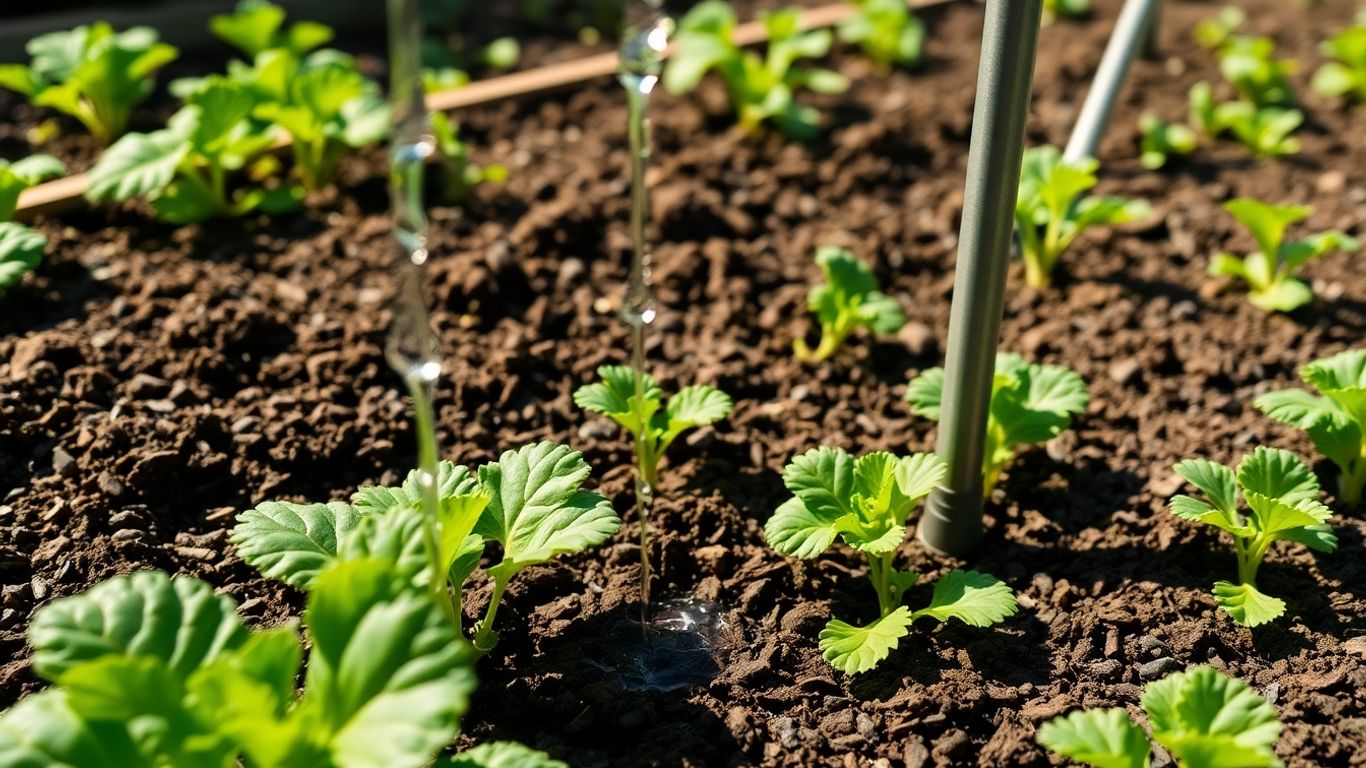
Getting your irrigation system set up in raised beds is pretty straightforward, but a few things can make the job easier and prevent headaches later. First off, think about where your water source is. If it’s far from your beds, you might need longer hoses or consider a pump if you’re using something like a rain barrel. Planning the layout before you start digging or connecting anything is key.
When you’re laying out drip lines or soaker hoses, try to keep them on top of the soil, not buried. This makes it way simpler to adjust them later if you need to, and you can actually see where the water is going. If you’re using emitter tubing, make sure it’s positioned to deliver water right to the base of your plants. For raised beds with sturdy retaining walls, you can often secure tubing along the inside edge.
Here’s a quick rundown of things to consider:
- Water Pressure: Most home systems work fine, but if you have a lot of beds or long runs of tubing, you might lose pressure. You can get pressure regulators to help with this.
- Connections: Use good quality connectors. Leaky connections are annoying and waste water. A Y-connector at the spigot is handy if you want to run your irrigation and still be able to use a hose.
- Timers: Don’t forget a timer! Automating your watering means you don’t have to remember to turn it on and off, and it helps keep a consistent schedule. Battery-operated ones are easy to install.
- Zoning: If you have different types of plants with varying water needs, consider setting up separate zones or using different types of emitters for each area.
If you’re using a system that involves digging, like a more permanent setup, it’s a good idea to map out where all your lines will go. This helps avoid accidentally cutting them when you’re planting or weeding later on. Also, think about how you’ll access the beds for maintenance without disturbing the irrigation lines too much.
For a simple setup, drip irrigation kits are readily available and usually come with most of the parts you’ll need to get started. You can find these at most hardware stores, making it easy to get drip irrigation for your raised beds without too much fuss.
Maintenance and Troubleshooting
Even the best watering systems need a little attention now and then. Think of it like giving your car an oil change – it keeps things running smoothly.
Regular checks are key to preventing bigger headaches down the road.
Here’s a quick rundown of what to look out for:
- Clogged Emitters/Holes: Over time, mineral deposits from your water can build up, especially in drip systems. If you notice water isn’t flowing evenly, check the emitters or holes. For some systems, a gentle rub with a finger or a soft brush can clear minor blockages. For tougher clogs, a safety pin might do the trick. If you’re using a system with tiny holes, like some grid designs, you might need to periodically clear them. It’s usually a quick fix, but ignoring it can lead to dry spots in your garden.
- Timer/Controller Issues: Make sure your timer is set correctly for the season. A schedule that worked in spring might be way off in the heat of summer. Check the battery if it has one, and ensure it’s actually turned on. Running the system while you’re around can help you spot any problems.
- Leaks: Keep an eye out for puddles or unusually wet spots where they shouldn’t be. A small leak might not seem like much, but it wastes water and can sometimes indicate a bigger problem with a fitting or tubing.
- Uneven Watering: Watch your plants. Are some areas looking droopy while others are fine? This often points to an issue with the system’s distribution. It could be a clog, a kink in the tubing, or simply that the system isn’t designed to cover that specific area well.
If you’ve tried basic troubleshooting and are still having issues, or if you’re not comfortable working with plumbing and timers, don’t hesitate to call in the professionals. Sometimes, bringing in experienced contractors who specialize in irrigation can save you a lot of time and frustration, especially with more complex setups.
Seasonal Adjustments:
- Spring: Check that everything is working after winter. Adjust watering frequency as temperatures rise.
- Summer: This is when you’ll likely water most. Monitor closely for signs of stress due to heat and adjust schedules as needed, possibly using cycle-and-soak to help water penetrate.
- Fall: Gradually reduce watering frequency as temperatures cool and rainfall increases.
- Winter: Depending on your climate, you may need to winterize your system to prevent freezing. Check your system’s manual for specific instructions.
Watering Tips for Healthier Raised Garden Beds
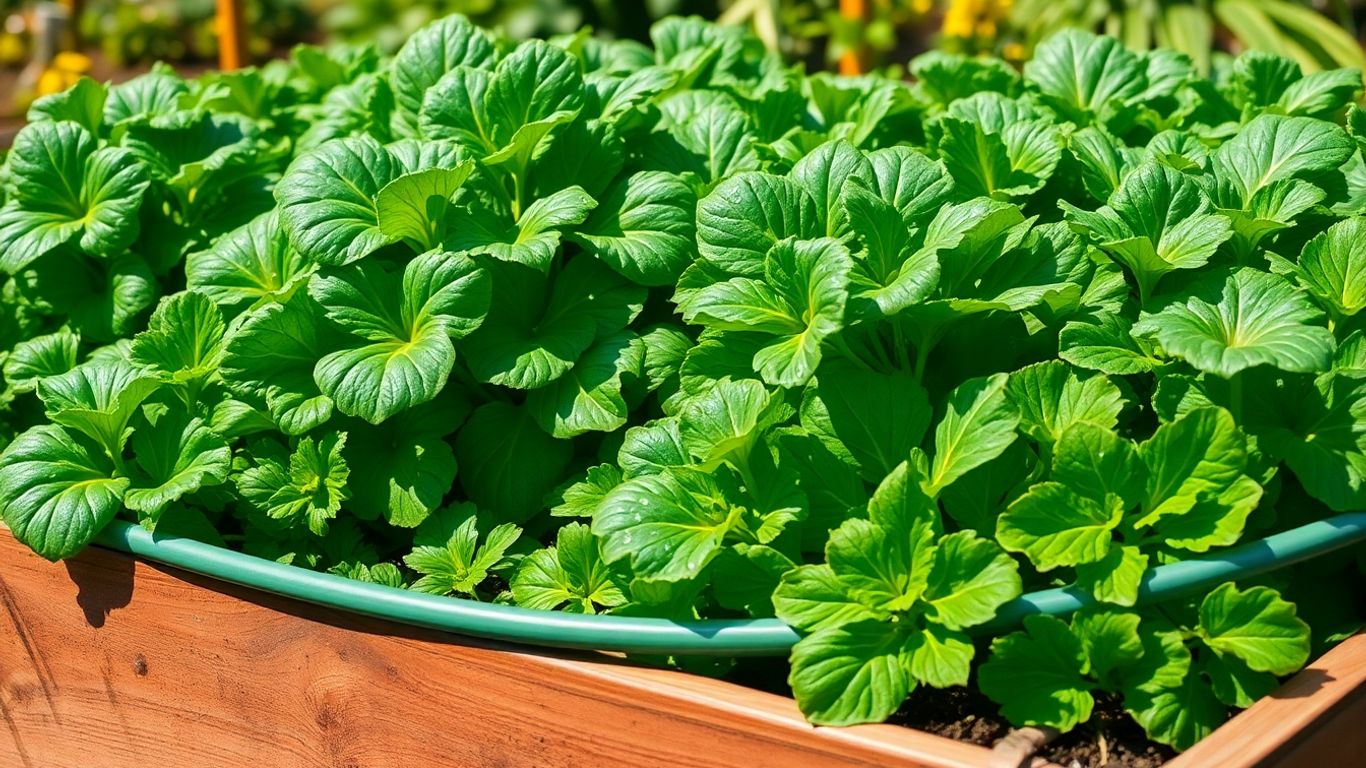
Getting the watering right for your raised garden bed is a big deal. It’s not just about giving plants a drink; it’s about making sure they get the right amount of water, at the right time, and in the right way. Think of it like this: you wouldn’t drink a whole gallon of water at once, and neither do your plants. Consistency is key, especially if you’re growing vegetables or fruits that need steady moisture to produce well. Relying on just the rain can be a gamble, and in many places, it’s just not enough.
Here are some pointers to keep your raised garden bed thriving:
- Water the soil, not the leaves: When you water, aim your hose or watering can directly at the base of the plants. Wetting the leaves can encourage diseases to take hold, and nobody wants that. Gently move aside larger leaves if you need to get to the soil.
- Morning is best: Try to water early in the day. This gives the plants time to absorb the water and allows any splashed water on the leaves to dry off before nightfall, which helps prevent fungal issues.
- Deep and infrequent is usually better: Instead of a little water every day, aim for a good, deep soak less often. This encourages roots to grow deeper into the soil, making the plants more resilient. How often depends on your soil, the weather, and what you’re growing, but check the soil moisture a few inches down before you water again.
- Consider your surroundings: If your raised garden bed is near a stone walkway, be mindful that the walkway can absorb heat and dry out the soil on the edges of your bed faster. You might need to give those sides a little extra attention.
The goal with watering elevated planters is to mimic natural rainfall as much as possible – a gentle, consistent soaking that reaches the root zone without causing erosion or waterlogging. This approach supports robust root development and overall plant health.
When you’re thinking about the best garden bed watering methods, remember that even with automated systems, a quick check-in is always a good idea. You can spot problems early and adjust your watering schedule as needed. It’s all about finding that sweet spot for your specific raised garden bed setup.
Conclusion
So, we’ve gone over a bunch of ways to get water to your raised garden beds, from just using a hose to more fancy setups. Picking the right system really comes down to what works best for you, your garden size, and how much time you want to spend on it.
Getting your watering dialed in makes a huge difference in how well your plants grow.
Here’s a quick rundown of what we talked about:
- Hand Watering: Simple, but easy to mess up and takes time.
- Soaker Hoses: Good for the price and pretty easy to set up, but they can get old and stop working well after a few years.
- Drip Tape: Waters really evenly, which is great, but setting it up can be a pain and it costs more upfront.
- Overhead Sprinklers: Not usually the best for raised beds because you water the paths too, and water can evaporate.
- Garden Grids: These seem pretty neat. They’re easy to put in, water evenly, and can even help with plant spacing. They might cost a bit more, but the convenience and results look promising.
When you’re deciding, think about:
- How much water do your plants actually need?
- How much effort do you want to put into setting it up and maintaining it?
- What’s your budget?
Remember, consistent watering is key. Whether you automate it or just get better at doing it yourself, making sure your plants get the right amount of water at the right times will lead to a much healthier and more productive garden. Don’t be afraid to try a few things until you find what clicks for your specific setup. Happy gardening!
We’ve covered a lot about making your yard look great. If you’re ready to transform your outdoor space, don’t wait! Visit our website today to learn more about our services and get a free quote.
Frequently Asked Questions
Why is watering raised garden beds so important?
Giving your raised garden beds the right amount of water is super important because it helps your plants grow strong and healthy. If plants don’t get enough water, they can get stressed, which makes them more likely to get sick or attract bugs. Consistent watering helps them grow deep roots and stay strong, especially when it’s hot or dry outside.
What’s the easiest way to water my raised beds?
For many gardeners, the easiest and most effective way to water raised beds is by using a drip irrigation system. These systems deliver water right to the base of your plants, where they need it most. They can be hooked up to a timer, so you don’t have to remember to water every day, which is a big help!
Is hand-watering a good option for raised beds?
Hand-watering can work, especially if you only have one or two small beds. It lets you get up close to your plants and see if they have any problems. However, it takes a lot of time, and it can be hard to give them the exact same amount of water every day. If you forget or can’t water for a few days, your plants might suffer.
How often should I water my raised garden beds?
How often you water depends on the weather, the type of plants you have, and the soil. A good rule of thumb is to check the soil moisture by sticking your finger about two inches deep. If it feels dry, it’s time to water. In hot weather, you might need to water every day, while cooler weather might mean watering only a few times a week.
Should I water my plants’ leaves or the soil?
It’s much better to water the soil directly, right at the base of the plants. Watering the leaves can cause problems like fungus, especially if the leaves stay wet for a long time. Aiming the water at the soil helps it get to the roots where the plant can use it, and it also stops water from evaporating too quickly.
What’s the best time of day to water my garden?
The best time to water your raised garden beds is in the early morning. This gives the plants plenty of time to soak up the water before the heat of the day. It also allows any water that might get on the leaves to dry off before nightfall, which helps prevent plant diseases. Watering in the middle of a hot day can cause water to evaporate too fast.