
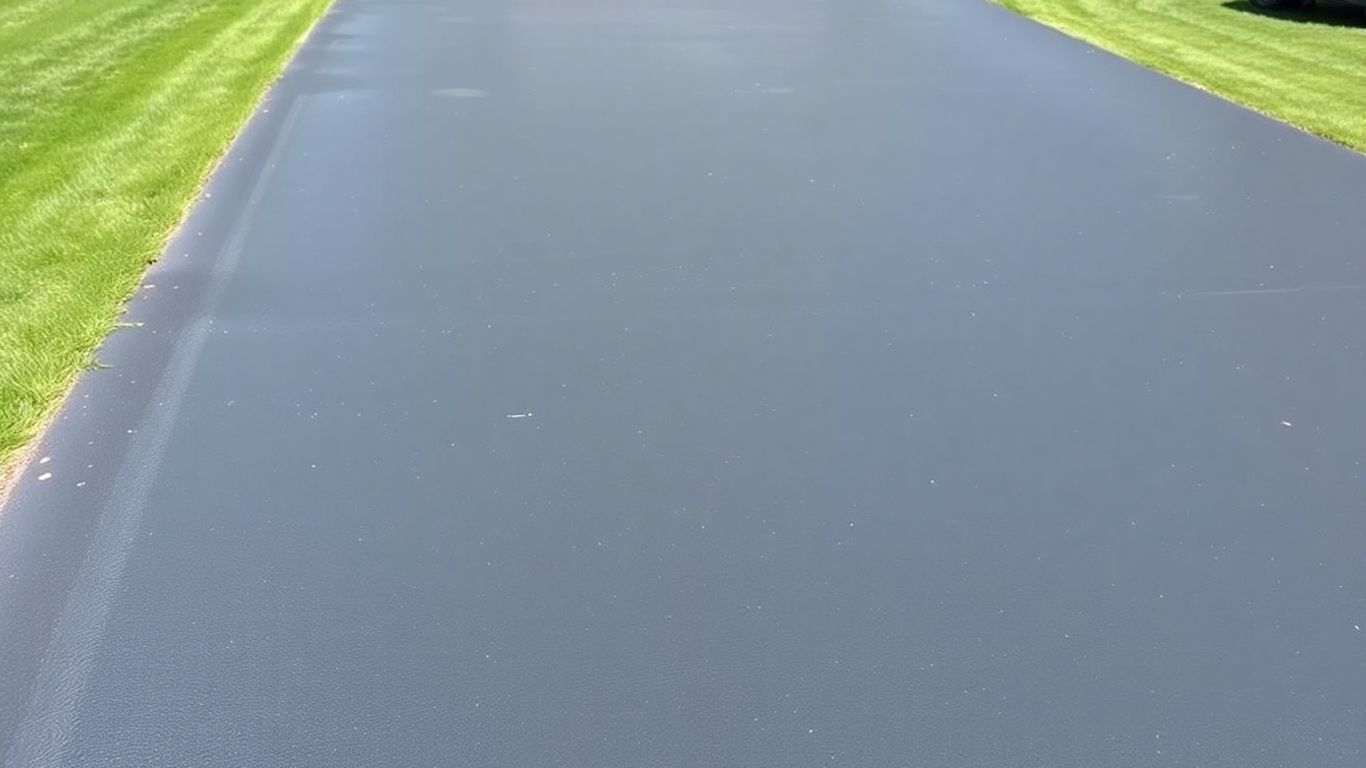
Your driveway is more than just a place to park your car; it’s a big part of your home’s overall look. In Ontario, with our tough weather, driveways take a beating. Keeping it in good shape isn’t just about looks, though that’s a big part of it. Proper maintenance, like driveway sealing Ottawa, actually helps your driveway last longer and protects your property. Let’s talk about why this simple step is so important for homeowners here.
Key Takeaways
- Driveway sealing protects your investment from harsh weather and wear.
- Regular sealing helps prevent cracks and potholes, saving you money on repairs.
- A sealed driveway looks better, improving your home’s curb appeal and value.
- Choosing the right sealer and application time matters for the best results.
- While DIY is possible, professional driveway sealing often provides a more durable and effective finish.
Why Driveway Sealing Ottawa is Crucial
Protecting Your Investment from the City’s Climate
The city’s weather is no joke. The constant cycle of freezing and thawing in the winter can cause water to seep into tiny cracks in your driveway. When that water freezes, it expands, making those cracks bigger. Come spring, when it melts, you’re left with a more significant problem. This process, over time, can really break down the surface of your driveway, whether it’s asphalt or concrete. Sealing acts like a protective shield, blocking moisture from getting in and causing this damage. It’s a proactive step to keep your driveway looking good and lasting longer, especially when you consider how much we rely on our driveways year-round. Think of it as giving your driveway a raincoat for the unpredictable Canadian weather. Proper sealing can also help protect against oil stains and other spills that can really mar the surface, making it look messy.
Preventing Cracks and Potholes
Those little cracks you might ignore can quickly turn into bigger issues like potholes, especially after a tough winter. Water infiltration is the main culprit, but UV rays from the sun can also degrade the surface over time. A good sealant fills in small imperfections and creates a barrier against moisture and the sun’s damaging effects. This means fewer cracks forming and less chance of those annoying potholes popping up. Addressing minor issues early through sealing is way easier and cheaper than dealing with major repairs or a full driveway replacement down the line. It’s about staying ahead of the game and avoiding those costly fixes that can really add up. For instance, keeping your driveway in good shape can prevent issues like driveway heaving repair that might be required if water gets under the surface and freezes.
Enhancing Curb Appeal and Property Value
Let’s be honest, a clean, well-maintained driveway makes your whole house look better. It’s one of the first things people notice when they arrive. A driveway that’s faded, cracked, or stained can really bring down your home’s overall appearance. Sealing not only protects your driveway but also revitalizes its look, often bringing back that deep, rich color and giving it a uniform finish. This boost in curb appeal can make a noticeable difference in how attractive your property is to potential buyers, and it can even add to its market value. A well-kept driveway signals that the homeowner takes pride in their property, which is always a good thing. It’s a relatively simple way to make a big impact on your home’s first impression, much like well-maintained stone walkways.
Here are some common issues sealing helps prevent:
- Water penetration leading to freeze-thaw damage.
- Oil, gas, and salt stains.
- Surface oxidation from UV rays.
- Weed growth in cracks (especially for paver driveways).
- General wear and tear from traffic.
When is the Best Time for Driveway Sealing in Ottawa?
Figuring out the right time to seal your driveway in Ottawa is pretty important. You don’t want to do it when it’s too cold, or too wet, or when the sun is beating down like crazy. Getting the timing right means the sealer will stick properly and last a good long while.
Spring: The Ideal Season for Sealing
Most folks agree that spring is generally the best time to get your driveway sealed here. After the long winter, the ground has had a chance to dry out a bit, and the temperatures are usually pretty mild. This is perfect for letting the sealer cure properly without any extreme heat or cold messing things up. Plus, after a winter of salt and snow, your driveway might be looking a little worse for wear, so sealing it in the spring gives it a fresh start for the warmer months.
- Mild Temperatures: Spring offers moderate temperatures, usually between 10°C and 25°C, which are ideal for sealer application and curing.
- Dry Conditions: The ground and driveway surface are typically drier in the spring after the winter thaw, allowing for better adhesion.
- Post-Winter Refresh: It’s a great time to address any wear and tear from winter and protect the driveway for the upcoming seasons.
Summer and Fall Considerations
While spring is often the top pick, you can also seal your driveway in the summer or fall, but you need to be a bit more careful. Summer can get really hot, and applying sealer in direct, intense sun can cause it to dry too quickly, leading to a patchy finish. It’s best to seal on a cooler, overcast day or early in the morning or late in the evening. Fall can also work, but you need to watch out for those first hard frosts. The sealer needs enough time to cure fully before the temperature drops below freezing, usually at least 24-48 hours of suitable temperatures.
- Summer: Seal on cooler days or during cooler parts of the day to avoid rapid drying. Ensure the surface is completely dry.
- Fall: Seal early enough in the fall to allow for a full curing period before temperatures consistently drop below freezing.
Choosing the Right Driveway Sealer
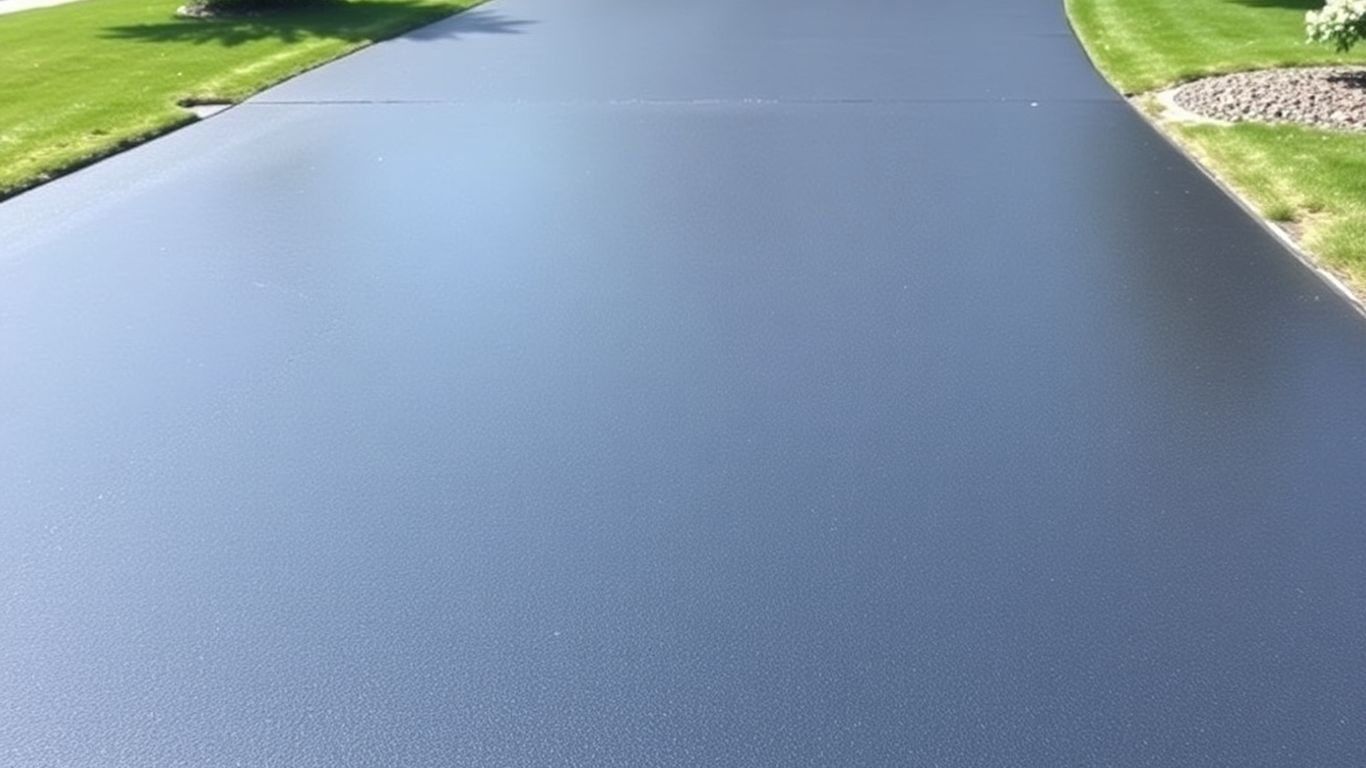
So, you’ve decided to seal your driveway – smart move! But walking into the store or browsing online, you might feel a bit overwhelmed by all the options. It’s not just a one-size-fits-all situation, especially when you’re dealing with a city’s unique weather. Picking the wrong sealer can mean it doesn’t last, or worse, it doesn’t protect your driveway as it should. Let’s break down what you need to know to make a good choice for your asphalt maintenance.
Asphalt vs. Concrete Sealers
First things first, you can’t use an asphalt sealer on concrete, and vice versa. They’re made for different materials. Asphalt sealers are designed to protect the asphalt binder from UV rays and water, and they often have a black or dark color to help absorb heat. Concrete sealers, on the other hand, are more about preventing stains, freeze-thaw damage, and general wear and tear on the concrete surface. They usually dry clear or slightly enhance the concrete’s natural color. So, know what your driveway is made of before you even start looking.
Understanding Different Sealer Types
Once you know your material, you’ll see different types of sealers. For asphalt, you’ll mostly find asphalt emulsion sealers, which are common and budget-friendly. They offer decent protection against the elements and are pretty easy to apply. Then there are coal tar sealers, which are tougher and last longer, but they have a stronger odor and are less environmentally friendly. For concrete, things get a bit more varied.
- Acrylic Sealers: These are popular because they’re easy to apply, dry quickly, and offer good UV protection. They’re great for adding a bit of sheen and protecting against stains. They’re a good all-around choice for driveway care.
- Siloxane/Silicone Sealers: These penetrate the concrete and offer excellent water repellency. They’re good for protecting pavement from freeze-thaw cycles because they let moisture vapor escape while blocking liquid water.
- Polyurethane Sealers: These are tougher and more durable than acrylics. They offer great abrasion resistance and protection against chemicals like oil and salt. They can be a bit trickier to apply and are usually more expensive.
- Epoxy Sealers: These are super strong and durable, often used in garages. They create a thick, protective layer but can be more expensive and require careful surface preparation.
When you’re looking at sealers, think about how much traffic your driveway gets and what kind of weather it endures. For city’s harsh winters and hot summers, a sealer that offers good freeze-thaw protection and UV resistance is key. Don’t just grab the cheapest option; consider it an investment in your residential paving upkeep.
When choosing, consider the finish you want too. Some sealers leave a matte finish, while others give a glossy look. Always check the manufacturer’s recommendations for application and reapplication frequency. It’s better to invest a little more in a quality sealer that will last than to have to do the job again too soon.
DIY vs. Professional Driveway Sealing
So, you’re looking at your driveway and thinking, ‘Should I tackle this sealing job myself, or just call someone?’ It’s a common question.
For minor touch-ups, a DIY approach can be pretty satisfying and might save you some cash upfront. If you’ve got a few small weeds poking through or maybe a tiny bit of sand that’s washed out, grabbing some polymeric sand and a broom might do the trick. It feels good to fix things around the house, right? It’s like patching up a small hole in your favorite sweater – manageable, and you feel accomplished.
However, driveways are more than just a flat surface. They’re part of your home’s foundation, dealing with water, ice, and heavy vehicles. When you start talking about sealing, you’re often dealing with issues that go deeper than just the surface. Think about it: if your driveway is already showing signs of sinking or has a bunch of little cracks, trying to seal over those problems is like putting a Band-Aid on a broken bone. It might look okay for a minute, but the real issue is still there, waiting to cause more trouble.
Here’s a quick breakdown of what each path usually looks like:
- DIY Sealing:
- Best for very minor cosmetic fixes or re-sanding joints.
- Requires basic tools you might already have.
- Can be time-consuming, especially if you’re learning as you go.
- Risk of not properly preparing the surface or using the wrong product, which can lead to premature failure.
- Professional Sealing:
- Handles everything from surface prep to applying the right sealant for our climate.
- Access to commercial-grade sealers and equipment for a thorough job.
- Knowledge of how to address underlying issues like drainage or base problems.
- Often comes with a warranty, giving you peace of mind.
When it comes to sealing, especially with asphalt, using the right kind of sealant is really important. Some sealers just sit on top, while others penetrate deep to really protect the material. Professionals know which ones work best for the city’s freeze-thaw cycles and can apply them evenly. It’s a bit like choosing between a quick paint job and a proper restoration for an old piece of furniture; one is fast, the other lasts. If you’re looking for long-term protection and want to avoid bigger headaches down the road, hiring a professional for driveway sealing is often the smarter move. They understand the nuances of driveway maintenance and how to best protect your investment.
Finding a Reputable Driveway Sealing Service in Ottawa
So, you’ve decided that driveway sealing in Ottawa is the way to go. Smart move! But now comes the part where you need to find someone to actually do the work. It’s not always as simple as picking the first name you see. You want a company like Bennett Lawn and Landscape that knows its stuff, especially with how harsh the winters can be on driveways.
Getting a few quotes is a really good first step. Don’t just go with the cheapest option you find. Think about what you’re getting for your money. A good driveway sealing service will be able to tell you exactly what kind of sealer they plan to use and why it’s right for your driveway type – whether it’s asphalt or concrete. They should also be able to explain the process and what kind of prep work is involved.
Here are some things to look for when you’re shopping around:
- Experience: How long have they been doing driveway sealing? Do they have a good track record?
- Reviews and References: What are other people saying about their work? Can they provide references you can contact?
- Insurance and Licensing: Are they properly insured? This protects you if anything goes wrong.
- Warranty: Do they offer any kind of guarantee on their work or the sealer they apply?
- Clear Communication: Do they explain things clearly and answer all your questions without making you feel rushed?
It’s also worth asking about their process for dealing with any existing cracks or damage before they seal. A professional landscape company in Ottawa that offers services like driveway crack sealing as part of their prep work is usually a good sign. They understand that sealing a damaged driveway won’t fix the underlying issues.
Conclusion
So, we’ve talked about why keeping your driveway in good shape matters, especially in Ontario with our crazy weather. Little things like sweeping up leaves or pulling out weeds early on can really make a difference. It’s way easier to fix a small crack or top up some sand than to deal with a whole section sinking later. Think of it as looking after your home – a little attention now saves a lot of headaches and money down the road. Plus, a nice-looking driveway just makes the whole place feel better, right?
Frequently Asked Questions
How often should I seal my driveway in Ottawa?
It’s a good idea to reseal your driveway every 2 to 3 years. This helps keep the protective layer strong against harsh weather, like freezing and thawing, which can cause damage.
What’s the difference between sealing asphalt and concrete driveways?
Asphalt driveways usually need a different type of sealer than concrete ones. Asphalt sealers are often made to fill small cracks and protect against oil and gas spills. Concrete sealers focus more on preventing water from getting in and causing damage, and they can also add a nice finish.
Can I seal my driveway if it’s already cracked?
Yes, but it’s best to fix bigger cracks before sealing. Most sealers can fill very small cracks, but large ones need to be repaired first. Sealing over big cracks won’t stop them from getting worse and can even trap water underneath.
Will driveway sealing make my driveway look brand new?
Sealing can definitely make your driveway look much better! It helps bring back the original color, covers up minor stains, and gives it a fresh, clean appearance. While it won’t fix serious damage, it significantly boosts its look and helps protect it.
Is driveway sealing a DIY job or should I hire a pro?
You can do it yourself if you have the time and energy, especially for smaller driveways. However, hiring a professional is often better for larger driveways or if you want a really good, long-lasting finish. They have the right tools and experience to do the job well, especially considering our local climate.
How long does driveway sealing take to dry?
Drying times can vary depending on the sealer type and the weather. Usually, you’ll need to stay off the driveway for at least 24 to 48 hours. Always check the product instructions or ask your professional for the specific drying time.