
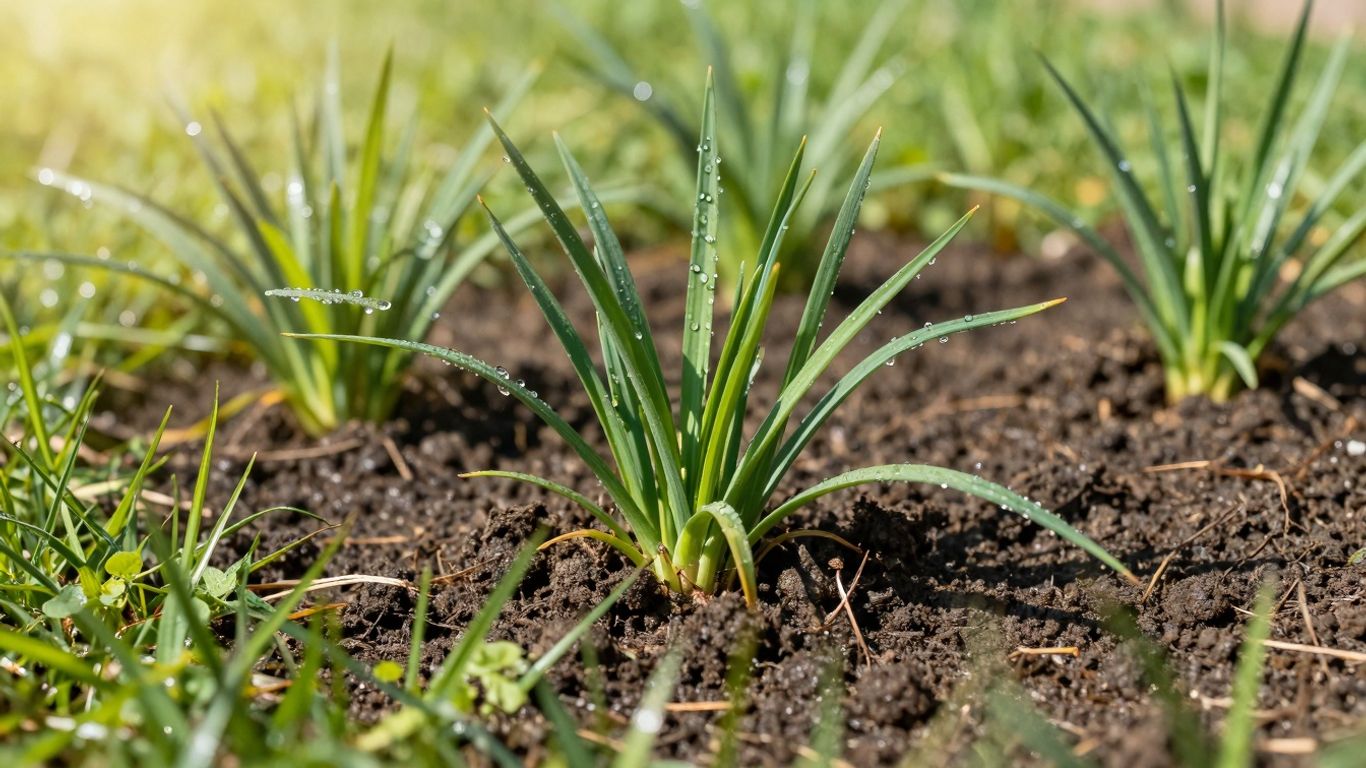
As a professional Ottawa landscaper, one of the most common reasons I see new sod fail is improper watering, not poor-quality sod, not bad soil, but watering mistakes made in the first few weeks. New sod may look like a finished lawn, but beneath the surface, it is still in a fragile, transitional stage. How you water during this period determines whether the lawn establishes deep, healthy roots or struggles with thinning, discoloration, and long-term weakness.
This guide explains how often to water new sod, how watering needs change week by week, how deep moisture must reach, and how to adjust based on real-world conditions like weather, soil, and grass type. These are the same principles landscaping professionals follow to ensure sod installs succeed.
Why Proper Watering Is Critical After Sod Installation
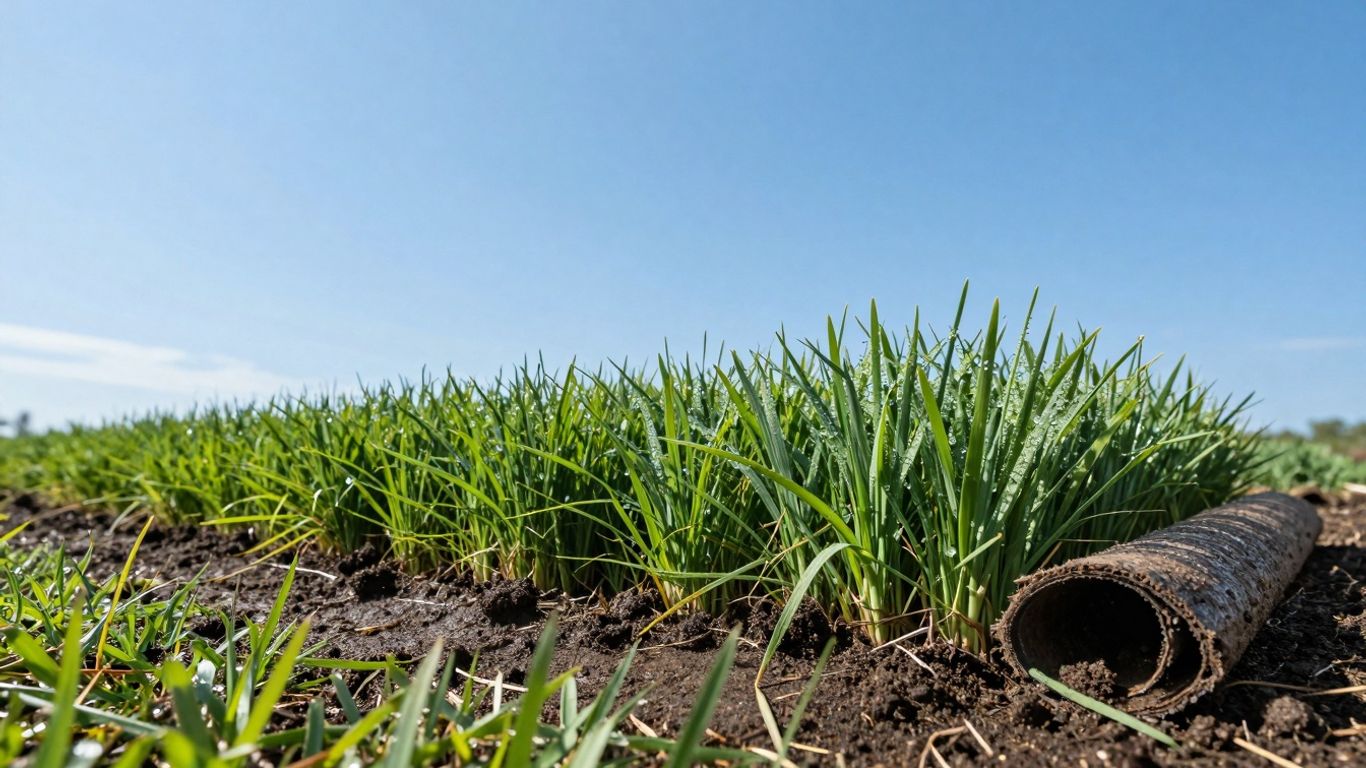
When sod is harvested, the root system is cut short, often leaving less than an inch of roots attached. Once installed, the sod has no immediate access to deeper moisture in the soil. Until new roots grow downward and bond with the underlying soil, the grass relies entirely on surface moisture to survive.
From a landscaper’s perspective, watering during this phase serves three essential purposes. First, it prevents the sod from drying out and shrinking, which can cause gaps at seams and edges. Second, it keeps the grass blades hydrated so they can continue photosynthesis and recovery from transplant stress. Third, and most importantly, it creates the conditions necessary for roots to grow downward into the soil.
It is important to understand that more water is not always better. Soil that remains saturated for extended periods lacks oxygen, which roots need just as much as water. Overwatering creates conditions where roots stagnate, and fungal diseases develop. Successful sod establishment comes from maintaining consistent, even moisture at the correct depth, not flooding the lawn.
Factors That Determine How Often New Sod Should Be Watered
There is no single watering schedule that works for every sod installation. In professional landscaping, watering plans are always adjusted based on site-specific conditions.
The weather is the most obvious factor. Hot temperatures, direct sunlight, and wind dramatically increase evaporation and moisture loss. During summer heat waves, sod may require additional watering to prevent stress. Cooler temperatures, cloud cover, and higher humidity reduce water demand and allow longer intervals between watering sessions. Natural rainfall should always be considered before adding irrigation.
Soil type plays an equally important role. Sandy soils drain quickly and hold very little moisture, requiring more frequent watering. Clay soils retain water longer but are prone to runoff and waterlogging if watered too aggressively. Loamy soils provide the best balance of drainage and moisture retention, making watering more forgiving.
Grass variety also affects watering needs. Some sod types establish quickly but require higher moisture during early growth, while others are more drought-tolerant once rooted. Knowing the grass type helps fine-tune expectations during establishment.
In professional practice, watering decisions are never based solely on time. Moisture depth in the soil is the true indicator of effective watering.
Watering New Sod During the First Two Weeks
Days 1–3: Establishing Constant Moisture
The first 72 hours after installation are the most critical period for new sod. During this time, the sod has not yet formed any meaningful root connections with the soil. If the sod dries out during this phase, even briefly, it can struggle to recover evenly.
Sod should be watered immediately after installation, ideally within 30 to 45 minutes. The initial watering must be thorough enough to moisten both the sod and the soil beneath it to a depth of approximately 3 to 4 inches. This ensures full contact between the sod and soil and prevents early dehydration.
In professional installations, this typically means watering multiple times per day using shorter cycles. The goal is to maintain constant moisture at the surface without creating runoff or puddling. The soil should feel damp but never muddy. Moisture can be checked by lifting a corner of the sod or inserting a screwdriver into the soil.
During this phase, slightly moist conditions are far safer than allowing the sod to dry out.
Days 4–14: Encouraging Root Penetration
After the first few days, roots should begin extending into the soil beneath the sod. One of the clearest signs of progress is resistance when gently lifting a corner of the sod. This indicates that early rooting has begun.
At this stage, watering frequency can usually be reduced to once per day under normal conditions. However, each watering session should be long enough to maintain moisture at a depth of 3 to 4 inches. This encourages roots to grow downward rather than remaining near the surface.
Professional landscapers pay close attention to soil conditions during this period. If the soil remains moist several inches below the surface, watering can be delayed. Areas along seams, edges, slopes, and near hard surfaces often dry out faster and may require targeted watering.
This stage is critical for transitioning sod from surface-dependent moisture to a root-supported water supply.
Weeks 3–4: Transitioning to a Long-Term Watering Pattern
By the third and fourth weeks, properly installed sod should be firmly anchored in most areas. The focus now shifts from survival to strengthening the root system for long-term performance.
Watering frequency should be reduced to every two or three days, depending on the weather and soil conditions. Each watering session should be deep enough to moisten the soil to a depth of approximately 6 inches. Deep watering encourages roots to grow deeper, which improves drought tolerance, heat resistance, and overall lawn durability.
During this stage, most lawns require approximately 1 to 1.5 inches of total water per week, including rainfall. Lawn appearance and soil moisture should guide adjustments, as different sections of the yard may dry at different rates.
Recognizing Signs of Improper Watering
Experienced landscapers rely on visual and physical cues to evaluate watering effectiveness. When sod is not receiving enough water, grass color often becomes dull or grayish, and blades may remain flattened after foot traffic. These are early signs of moisture stress.
Overwatering produces different symptoms. Soil may feel spongy or remain wet for extended periods, and grass may develop yellowing or fungal patches. These issues indicate poor oxygen availability in the root zone.
A simple soil check is one of the most reliable methods. Inserting a screwdriver or soil probe into the ground reveals whether moisture has reached the appropriate depth. Damp soil indicates sufficient watering, while dry soil signals the need for irrigation.
Professional Best Practices for Watering New Sod
Early morning watering is preferred in professional lawn care because it minimizes evaporation and allows the grass to absorb moisture before daytime heat increases. Late afternoon watering can also be effective, but watering late in the evening is generally avoided to reduce disease risk.
Uniform sprinkler coverage is essential. Edges and corners are common failure points in sod installations and should be monitored closely. Sloped areas often require shorter, repeated watering cycles to prevent runoff.
Because sprinkler output varies widely, watering duration should always be adjusted based on soil moisture depth rather than fixed time intervals.
Local Considerations for Watering Sod in Ottawa
In Ottawa, temperature fluctuations, heat waves, and sudden rainfall are common during the growing season. New sod may require increased watering during extended dry periods and reduced irrigation following rainfall.
Areas near sidewalks, driveways, and buildings tend to dry out faster due to reflected heat and should receive additional monitoring. Early morning watering is particularly effective in Ottawa’s climate, helping sod absorb moisture efficiently while minimizing evaporation.
When to Consult a Lawn Care Professional
If sod fails to root after two weeks, shows widespread discoloration, or develops signs of fungal disease, professional assessment is recommended. Landscapers can evaluate soil conditions, drainage, and irrigation coverage to identify and correct problems early.
Addressing issues promptly often prevents partial or complete sod failure and protects your investment.
Conclusion
From a professional landscaper’s standpoint, proper watering is the foundation of every successful sod installation. The first two weeks require consistent, shallow moisture, followed by deeper, less frequent watering as roots establish. By prioritizing moisture depth, monitoring soil conditions, and adjusting for weather and site-specific factors, new sod can develop into a strong, healthy lawn that performs well for years to come.
Frequently Asked Questions
How soon should new sod be watered after installation?
Immediately after installation, ideally within 30 to 45 minutes.
How often should sod be watered during the first week?
Most sod requires multiple watering sessions per day during the first week to maintain moisture at a depth of 3 to 4 inches.
When can watering frequency be reduced?
After approximately two weeks, watering frequency can be reduced while increasing moisture depth to about 6 inches.
What is the best time of day to water new sod?
Early morning is preferred to reduce evaporation and disease risk.
How long does sod take to fully establish?
With proper watering, sod typically establishes within three to four weeks.