
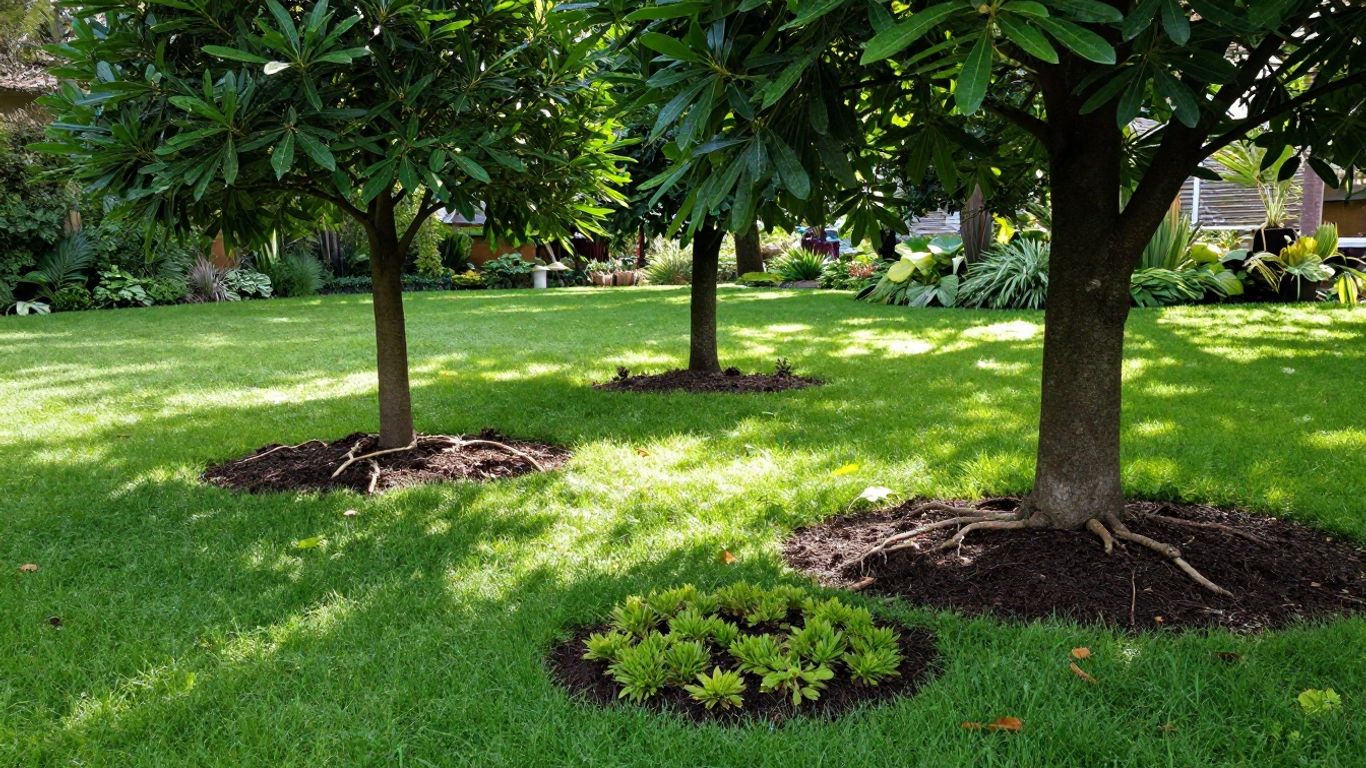
Seeing liverwort pop up in your garden, especially around trees or in the lawn, can feel a bit like a garden SOS signal. It’s not necessarily a disaster, but it definitely points to something going on beneath the surface. This fuzzy green stuff often shows up when conditions aren’t quite right, usually meaning your soil is too wet or compacted. Let’s figure out what this little plant is trying to tell us about our soil and how we can get our gardens back to being lush and healthy.
Why Liverwort Is a Warning Sign in Your Garden
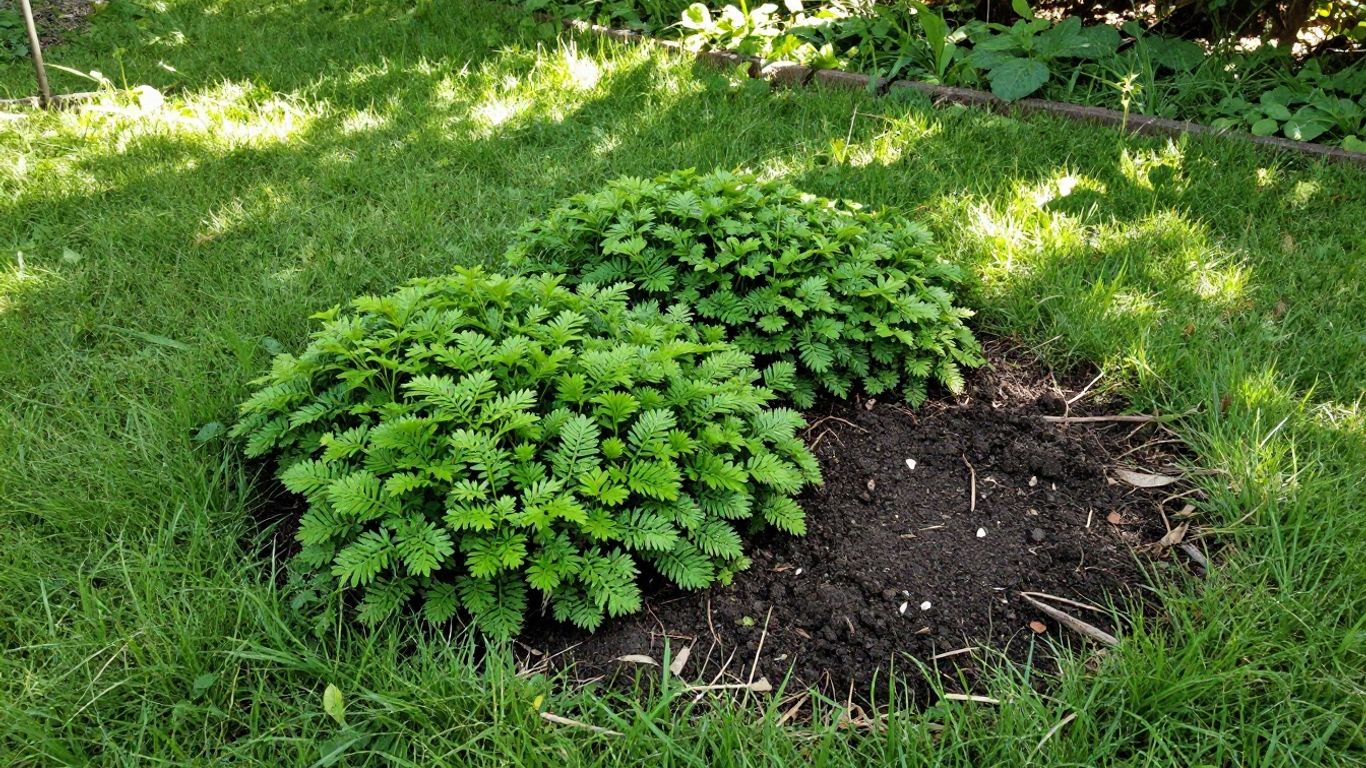
Seeing that thick, green carpet of liverwort spread across your garden soil, especially around the base of trees or in your lawn, might look kind of lush at first glance. But honestly, it’s usually a sign that something’s not quite right beneath the surface. Think of it like a little flag waving, telling you to pay closer attention to what’s going on with your soil. It’s not just a pretty ground cover; it’s often an indicator of conditions that aren’t ideal for the plants you actually want to grow, like your grass or those established trees.
Liverwort thrives in specific environments, and its presence usually points to a few common issues:
- Poor Drainage: This is a big one. It loves consistently damp, even soggy, soil. If you’re seeing a lot of it, your soil probably isn’t draining water away effectively. This can lead to bigger problems down the line, like root rot in trees, which is a serious condition that can weaken or even kill your plants.
- Compacted Soil: When soil gets packed down too tightly, it restricts air and water movement. This makes it hard for tree roots and grass to get what they need. Liverwort, being a simple plant, can often take hold where more desirable plants struggle.
- Low Nutrient Levels: Sometimes, it pops up because the soil is lacking in the nutrients that your lawn or trees need to flourish. It’s not as picky as other plants and can grow in less-than-ideal nutrient conditions.
- Shade and Low Light: While not always the case, it often prefers shady, moist spots where grass might struggle to get enough sun to stay healthy and dense.
This persistent green growth is your cue to investigate the underlying soil conditions. Ignoring it means you’re likely dealing with a symptom, not the root cause, of your garden’s struggles. Addressing these soil issues is key to getting rid of the liverwort and helping your lawn and trees truly thrive. It’s about creating an environment where your desired plants can flourish, not just survive. Understanding these signals is the first step toward a healthier garden ecosystem.
What Is Liverwort?
So, you’ve spotted that flat, green growth on your soil and are wondering what it is. That’s likely liverwort. It’s not a moss, though it might look a bit like it. They are actually a group of very old, non-vascular plants, meaning they don’t have the specialized tissues like tubes that most plants use to move water and nutrients around. Think of them as some of the earliest land plants to figure out how to live outside of water.
Common Liverwort (Marchantia polymorpha)
When most people talk about liverwort in their garden, they’re usually referring to common liverwort, or Marchantia polymorpha. This is the one that forms those thin, often lobed, green sheets that spread out over the soil surface. It really likes damp, shady spots. You’ll often see it clinging to bare soil, rocks, or even decaying wood. It doesn’t have true leaves or stems like a typical plant; instead, it has a flattened body called a thallus. It’s pretty tough and can survive in a lot of different places, which is why it sometimes shows up where we don’t want it.
Monosolenium Tenerum
Sometimes, you might hear about Monosolenium tenerum. This one is actually quite popular in the aquarium hobby, often used in aquascaping. It looks similar to common liverwort, forming dense mats. However, when it pops up in your garden, it’s usually a sign of similar conditions: persistent moisture and shade. While it thrives underwater in tanks, its presence on land points to the same underlying issues of poor drainage or excessive dampness that attract its terrestrial cousins.
Why Liverwort Appears in Lawns & Around Trees
So, you’ve spotted that thick, green carpet of liverwort popping up in your lawn or creeping around the base of your trees. It’s not just a random occurrence; it is usually a signal that something about your soil conditions isn’t quite right for the grass or trees you’re trying to grow.
Liverwort thrives in damp, compacted soil. Think about where you typically see it – often in shady spots where water tends to sit, or in areas where foot traffic has packed the soil down tight. This lack of air circulation and poor drainage creates a perfect environment for these primitive plants. They don’t have true roots like your lawn grass or trees do, so they don’t need deep soil to survive. Instead, they’re happy to spread across the surface, especially if it’s consistently moist.
Here’s a breakdown of common reasons you might be seeing more liverwort:
- Excess Moisture: This is the big one. Whether it’s poor drainage, overwatering, or just a naturally shady, damp area, it loves wet feet. It’s a sign that water isn’t moving through the soil effectively.
- Soil Compaction: When soil gets packed down, it becomes hard for air and water to penetrate. This is common in high-traffic areas of a lawn or around the base of trees where people might walk, or equipment is used. Compacted soil suffocates grass roots and makes it easier for it to take hold.
- Low Nutrient Levels: While not its primary driver, it can sometimes indicate that the soil is lacking in nutrients that your lawn or trees need to grow vigorously. A weak lawn is more susceptible to invasion by opportunistic plants like liverwort.
- Shade: Many lawns and garden areas are simply too shady for grass to grow well. Liverwort, on the other hand, can tolerate or even prefer these lower light conditions.
How Liverwort Affects Trees and Lawns
So, you’ve got liverwort taking over parts of your lawn or creeping around the base of your trees. It’s not just an eyesore; it’s a signal about what’s going on beneath the surface. When it thrives, it usually means the soil is compacted and stays wet for too long. This damp, dense environment isn’t great for grass roots or tree roots.
For your lawn, a thick mat of liverwort can actually smother the grass. It blocks sunlight and air from reaching the grass blades and the soil surface. This makes the grass weaker, more prone to disease, and can lead to those patchy, bare spots you’re trying to avoid. It’s like putting a blanket over your grass and expecting it to be happy.
Trees aren’t exactly thrilled about it either. While it itself doesn’t harm the tree directly, the conditions it signals are problematic. Compacted soil around a tree’s base restricts water and nutrient uptake. Tree roots need oxygen, and when the soil is packed tight, that oxygen supply is cut off. This can stress the tree, making it more susceptible to pests and diseases. It’s a bit like trying to breathe through a pillow.
Here’s a quick rundown of the issues:
- Lawn Smothering: It forms a dense layer that blocks light and air.
- Root Suffocation: Compacted soil, indicated by liverwort, prevents roots from getting oxygen.
- Waterlogging: The persistent moisture it loves can lead to root rot for both grass and trees.
- Nutrient Competition: While not a major competitor, its presence indicates poor soil structure that hinders nutrient access.
Think of it this way: it is like a canary in a coal mine for your garden. It’s not the danger itself, but it’s warning you about dangerous conditions. Dealing with it means you’re also dealing with soil compaction and poor drainage, which are much bigger threats to the long-term health of your trees and shrubs. Getting the soil right is the first step to a healthier landscape overall.
How to Remove Liverwort and Improve Soil Conditions
Seeing it pop up in your garden, especially around trees or in your lawn, usually means the soil isn’t quite happy. It loves damp, compacted spots. So, getting rid of it isn’t just about pulling out the green stuff; it’s about fixing what’s causing it to grow in the first place.
First things first, manual removal is your best bet for immediate results. Gently rake or pull out the liverwort. It’s pretty shallow-rooted, so it usually comes up without too much fuss. Try to get as much of it as possible, especially if it’s spread across a larger area. Doing this when the soil is slightly damp can make it easier.
But here’s the real trick: you’ve got to improve the soil conditions. It thrives where there’s poor drainage and compacted soil. Aerating your lawn is a big step. You can rent an aerator or even use a garden fork to poke holes in the ground. This lets water and air get down to the roots, which is good for your grass and bad for liverwort.
For areas around trees, focus on loosening the soil surface. Avoid heavy foot traffic in these spots. If you’ve got bare patches where it is taking over, overseeding with grass or planting ground cover can help. A thicker, healthier lawn or ground cover will naturally crowd out the liverwort.
Here’s a quick rundown of what helps:
- Improve Drainage: It hates dry feet. If water pools in certain areas, you might need to amend the soil with organic matter or consider a drainage solution. Sometimes, just loosening the top layer of soil makes a difference.
- Reduce Compaction: Avoid walking on wet soil. If you have a heavily used path, consider installing something more durable, like interlocking pavers.
- Adjust pH: It often prefers slightly acidic conditions. Testing your soil’s pH and adjusting it if necessary can make it less hospitable for liverwort. Adding lime can help raise the pH if your soil is too acidic.
- Increase Sunlight: It likes shady, damp spots. Pruning nearby trees or shrubs to allow more sunlight to reach the affected areas can help dry things out and make it less appealing for liverwort.
Don’t expect miracles overnight. It takes time to change soil conditions. Keep at it, and you’ll see less and less of that unwelcome green carpet.
Preventing Liverwort from Returning
So, you’ve managed to get rid of that pesky liverwort. Great job! But the work isn’t quite done yet. To keep your lawn and the areas around your trees looking their best, you need to make sure it doesn’t decide to move back in. This usually means addressing the conditions that made it happy in the first place.
The key is to create an environment that favors grass and trees, not primitive plants.
Here’s what you can focus on:
- Improve Drainage: It loves soggy spots. If your soil holds too much water, especially around tree roots or in low-lying lawn areas, you’ve got to fix it. Aerating your lawn regularly can help. For more serious drainage issues, you might need to consider adding amendments like compost or sand to the soil, or even installing a drainage system if it’s a persistent problem.
- Adjust Soil pH: It often thrives in slightly acidic soil. Most lawn grasses and established trees prefer a more neutral to slightly alkaline pH. Regularly testing your soil’s pH is a good idea. If it’s too acidic, a light application of lime, as recommended by your soil test, can help raise the pH over time. Be careful not to overdo it, though; too much lime can cause other problems.
- Increase Sunlight and Airflow: It prefers shady, damp conditions. If you have areas under trees or in your lawn that are constantly in deep shade and don’t get much air movement, it’s an open invitation. Pruning lower tree branches to let in more light and air can make a big difference. Thinning out dense shrubs nearby can also help.
- Proper Watering Practices: Avoid overwatering, especially in areas where it has been a problem. Water deeply but less frequently, allowing the soil surface to dry out between waterings. This encourages deeper root growth for your grass and trees, making them stronger and less susceptible to opportunistic growth like liverwort.
- Fertilize Appropriately: A healthy, well-fed lawn and strong trees are better able to outcompete liverwort. Use a balanced fertilizer suited for your lawn or trees, following application guidelines. For lawns, a slow-release fertilizer applied in the fall and spring can help maintain consistent growth. For trees, consider a soil drench or slow-release granules applied around the drip line.
When to Call a Tree & Soil Care Expert
Sometimes, even with the best intentions and a good dose of elbow grease, your garden issues might be a bit more than you can handle on your own. If you’ve tried the usual fixes for liverwort and other soil problems, but things just aren’t improving, it might be time to bring in the pros.
Persistent problems are a big clue. If you’re seeing it pop up again and again, or if your trees look generally unhealthy despite your best efforts, a professional can help figure out the root cause. They have the tools and knowledge to really dig into what’s going on beneath the surface.
Here are a few signs that it’s time to consider professional help:
- Widespread or aggressive liverwort growth: If it’s covering large areas of your lawn or climbing up tree trunks significantly, it suggests a deeper issue.
- Visible tree distress: Look for things like yellowing leaves that aren’t seasonal, stunted growth, bark issues, or branches that are dying off without a clear reason.
- Compacted or waterlogged soil that won’t drain: If you’ve tried aerating and improving drainage, but water still sits for days, there might be a more complex soil structure problem.
- Recurring pest or disease issues: If you’re constantly battling the same bugs or plant diseases year after year, an expert can identify the source and recommend a more effective treatment plan.
These folks can perform detailed soil tests to check nutrient levels, pH, and compaction. They can also assess the overall health of your trees and offer targeted treatments. It’s not a sign of failure to call them; it’s a smart move to get your garden back on track.
Sometimes, the best way to help your garden thrive is to know when to ask for a little extra guidance. A professional landscape specialist in Ottawa can offer insights and solutions that go beyond basic lawn care, helping to create a truly healthy environment for your plants.
Conclusion
So, there you have it. From understanding those tiny liverworts to getting your lawn looking like a golf course, it’s all about giving your plants and soil what they need. It might seem like a lot at first, but really, it’s just about paying attention. Watch your plants, feel the soil, and don’t be afraid to get your hands dirty. A little bit of care goes a long way, and soon enough, you’ll have a garden that’s not just surviving, but really thriving. Happy gardening!
Frequently Asked Questions
What exactly is liverwort, and why is it showing up in my lawn?
Liverwort is a simple, non-vascular plant that often looks like a flattened, green patch, kind of like a tiny, leafy mat. It doesn’t have true leaves, stems, or roots like most plants you’re used to. It loves damp, shady spots, which is why you often see it popping up in lawns, especially under trees or in areas where the soil stays wet. Think of it as a little sign that the conditions are just right for it, meaning it’s probably a bit too wet and possibly compacted in those areas.
Is liverwort bad for my trees and lawn?
It itself isn’t usually harmful to established trees or lawns. It doesn’t steal nutrients or damage roots directly. However, its presence is a big clue that something else might be going on. It often means your soil is too wet, too compacted, or doesn’t have enough air. These conditions aren’t great for your grass or tree roots in the long run, making them weaker and more prone to problems like disease or pests.
What does liverwort tell me about my soil health?
Seeing liverwort is like your soil sending up a little green flag saying, ‘Hey, I need some attention!’ It’s a strong indicator that your soil might be compacted, meaning it’s packed too tightly for air and water to move through easily. It also points to consistently moist or even waterlogged conditions, which can suffocate plant roots. Basically, it’s a signal that the soil structure isn’t ideal for healthy plant growth.
How can I get rid of liverwort and make my soil better?
Getting rid of it involves fixing the underlying issues. Start by improving drainage and aeration. For lawns, this might mean aerating the soil to create small holes, which helps water and air penetrate. You can also top-dress with compost to add organic matter. Reducing shade and improving air circulation can also help. While you can manually scrape it away, it’ll likely return if the soil conditions don’t change. Focus on making the environment less welcoming for liverwort by improving your soil’s health.
What are the best ways to prevent liverwort from coming back?
Prevention is key! The best way to stop it from returning is to maintain healthy soil and lawn conditions. Ensure good drainage so water doesn’t sit for too long. Aerate your lawn regularly, especially in compacted areas. Proper mowing height is also important – keeping grass a bit taller helps it shade out potential weeds and liverwort. Addressing shady spots by pruning trees or choosing shade-tolerant plants can also make a difference. Healthy, vigorous grass is your best defense!