
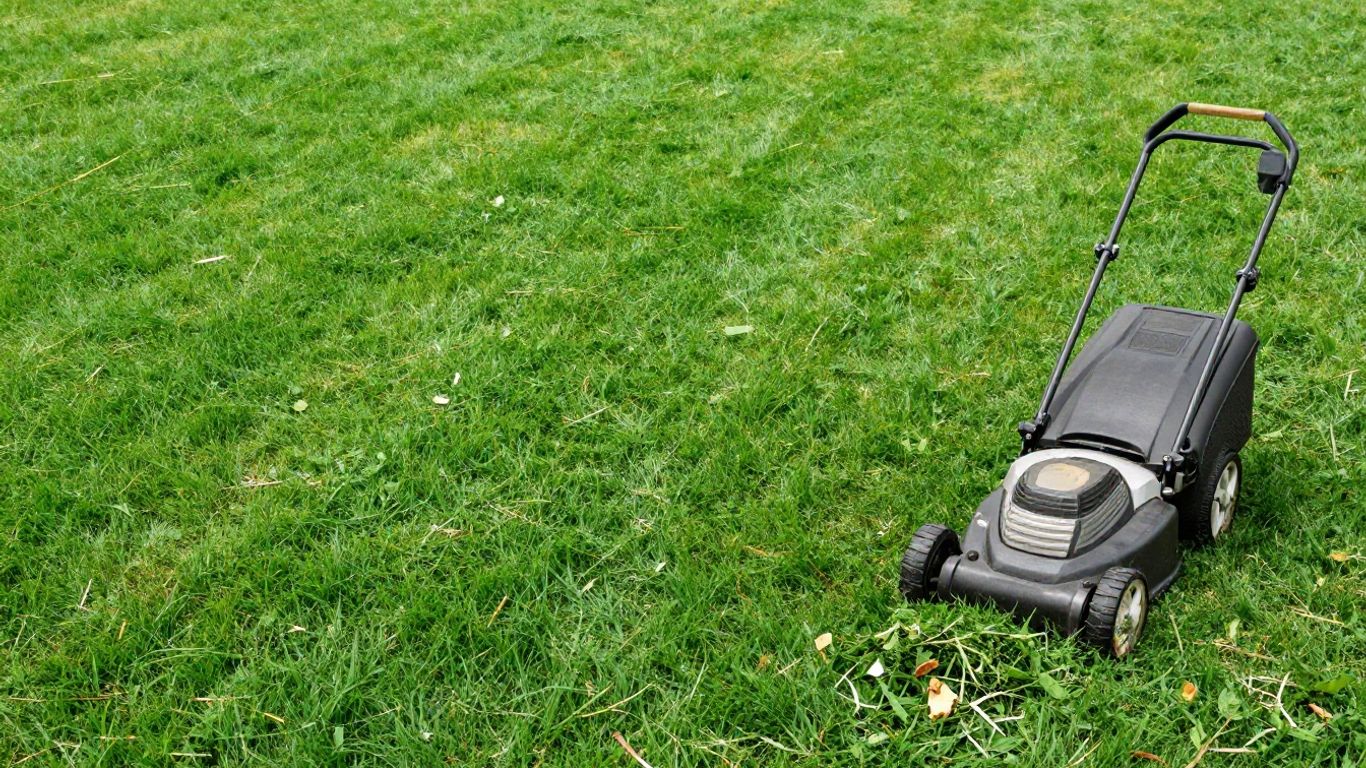
So, you’re wondering about what to do with all that grass after you mow. It’s a common question for homeowners and even for us pros. Should you bag it up or let it fly? This whole mulching vs bagging thing can get confusing, but it’s actually pretty important for keeping your lawn looking good and staying healthy. Let’s break down what each method means and what the experts usually recommend.
What Is Mulching?
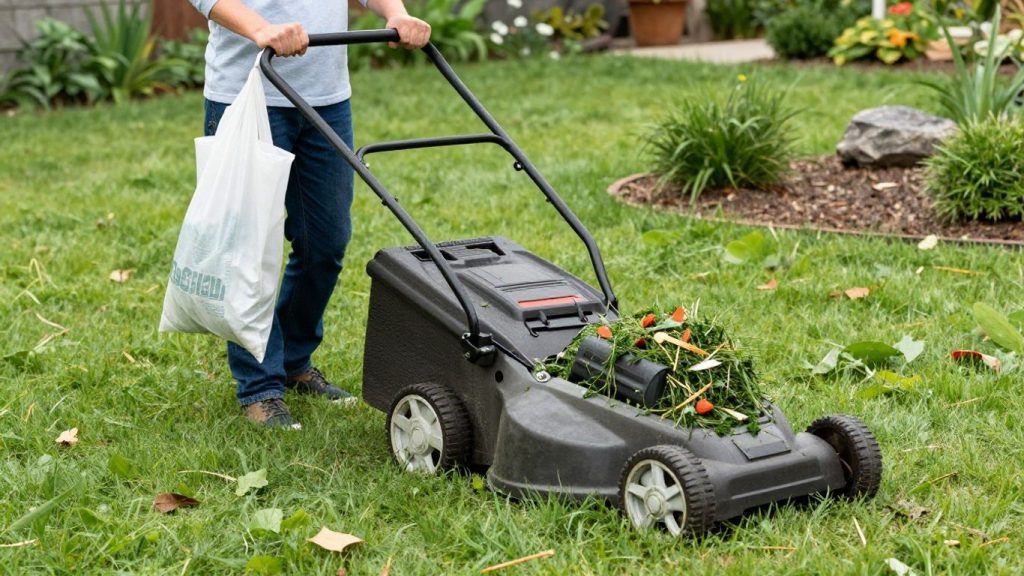
Mulching, when we’re talking about mowing the lawn, is all about chopping up those grass clippings really fine and letting them stay right on the grass. Instead of scooping up and tossing your clippings, you use a special mulching blade that cuts the grass into tiny pieces, which drop back down into your yard. The idea is simple: let the clippings break down naturally—they act like a free, slow-release fertilizer for your soil.
A typical mulching setup usually looks like this:
- A mower equipped with a mulching blade or a special mulching plug
- Clippings are cut multiple times, making them small and almost invisible
- Instead of bagging, clippings are left directly on the lawn
Here’s what happens when you mulch:
- Grass gets cut and recut inside the mower deck
- Finely chopped clippings settle into the yard
- These clippings decompose over a few days—feeding your soil with nutrients like nitrogen
One thing I’ve noticed: if you mow regularly (for most people, that’s every 5-7 days), mulching won’t leave little grass piles or a messy look. But if you let the grass get too long, your mower might struggle, and clumps can end up sitting on top, looking more like a mess than a benefit.
A lot of folks also like mulching because it saves time—no more stopping every ten minutes to empty the bag. Some studies say it can cut your yard work by up to a third. And hey, less hassle means you might even enjoy mowing a little more next time.
What Is Bagging?
Bagging means collecting grass clippings, leaves, or yard debris into a container or bag as you mow or rake. With this method, your mower is usually fitted with a bagging attachment that catches clippings right as they’re cut. Bagging is popular for folks who want their yards to look clean and super neat after mowing. But it’s not just for keeping things tidy—some people use it to deal with things like heavy thatch or pest problems.
Here’s what bagging usually involves:
- Attach a special bag or container to your mower to collect clippings
- Mow as usual, letting the machine sweep everything right into the bag
- Stop every so often to empty the bag, either into compost bins, yard waste bins, or piles for disposal
This method is especially helpful when:
- The grass is tall or overgrown (it could smother or mat down if left in the yard)
- There are lots of leaves
- You want to avoid spreading weeds or fungal diseases, which can hitch a ride on clippings
Here’s a table that might help you compare situations where bagging is handy:
| Situation | Is Bagging Helpful? |
|---|---|
| Wet or damp grass | Yes |
| Lawn infected with a disease | Yes |
| Recent herbicide or fertilizer applied | Yes |
| Normal weekly mowing | Sometimes |
Bagging can take more effort than just leaving clippings behind, and it does mean you miss out on the natural nutrients those clippings would give back to the soil.
Mulching vs Bagging: Key Differences
When it comes to mulching vs bagging, choosing the right method for your lawn isn’t always simple. Sure, both involve what you do with all the clippings left after mowing, but some pretty clear differences matter when you’re out in the yard.
Mulching returns finely chopped clippings right back onto the grass, while bagging collects everything for disposal or composting. This affects more than just what your lawn looks like afterward.
Here’s a quick table to show the main differences:
| Feature | Mulching | Bagging |
|---|---|---|
| Lawn Appearance | Natural look, may see fine bits | Very neat, no clippings left |
| Nutrient Return | Yes, acts as a natural fertilizer | None, nutrients removed |
| Labor/Time | Faster, fewer stops | More stops to empty the bag |
| Equipment Needed | Mulch blade or plug | Bagging attachment |
| Weed/Pest Control | May spread the seed/disease | Helps remove seeds/disease |
| Environmental Impact | Less waste, fewer bags required | More waste if disposing bags |
Here’s what stands out after trying both, season after season:
- Mulching saves a ton of time if the grass isn’t too tall or wet.
- Bagging gives a cleaner look, but you have to haul and dump the clippings.
- Mulching is better for the environment because you’re not sending bags to the landfill.
- Bagging is really helpful after a long week of rain when the grass is out of control, or if there’s disease present.
- You actually notice less need for fertilizer when mulching consistently, thanks to those natural nutrients returning to the ground.
Common Myths About Mulching vs Bagging
When people talk about bagging grass vs mulching, a lot of half-truths get tossed around. Sometimes, those who mow their own lawns will swear by one method and criticize the other, but a lot of the claims just aren’t accurate. Let’s clear up some of the biggest myths about mulching and bagging:
- Myth 1: Mulching always causes thatch buildup. Many folks believe leaving grass clippings behind creates thatch, but when mowed properly, clippings actually break down quickly and feed your lawn. Thatch mostly comes from roots and stems, not fresh mulch.
- Myth 2: Bagging is the only way to keep your lawn looking tidy. Bagging makes for a neater look just after mowing, but with the right mower, mulched clippings are nearly invisible and can leave your yard healthy.
- Myth 3: Mulching spreads weeds everywhere. While weed seeds can move around, the most common turf weeds aren’t spread through mowing. If weeds are everywhere, you’ll need a more targeted solution than just bagging your clippings.
Here’s a quick breakdown:
| Myth | Reality |
|---|---|
| Mulching causes thatch | Not if you mow regularly; it helps improve the soil |
| Bagging stops all weed spread | Weed seeds can remain in soil; bagging isn’t a cure-all |
| Mulched clippings smother the grass | Only if the grass is wet or mowed too high |
The bottom line: Each method has its place, but false information shouldn’t be the reason you pick one over the other.
What Professional Landscapers Recommend
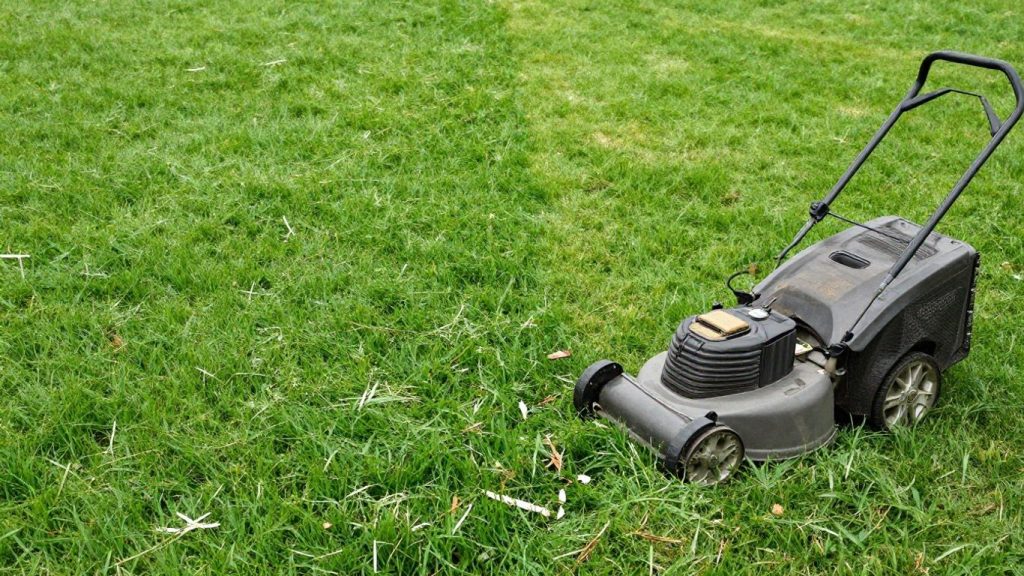
Every time I chat with local landscape pros, they pretty much say the same thing: mulching is usually the preferred choice unless you’ve got a special situation, like heavy weeds or super tall grass. Here’s how they tend to break it down in practice:
- Mulching keeps nutrients right in your yard, so you use less fertilizer and the grass looks better over time.
- Bagging is what most crews do if the grass is too wet or overgrown for mulching, or if the client wants that ultra-clean, fresh-cut look.
- Some yards with weed issues get bagged clippings, but even then, pros suggest dealing with the actual weeds, not just relying on bagging.
Here’s what a lot of the bigger landscaping crews say are their top methods, based on what actually happens out on jobs:
| Method | When Pros Use It | Pros & Cons |
|---|---|---|
| Mulching | Most regular mowings | Saves on fertilizer, less mess, not great for wet/tall grass |
| Bagging | Wet, tall, or weed-heavy lawns | Super tidy, weed seeds don’t spread, costs more time/fuel |
| Side Discharge | Overgrown emergency mowings | Fast on big weeds, messy clippings, usually a last resort |
So, What’s the Verdict?
Alright, so we’ve gone over mulching and bagging, and it seems like most of the pros lean towards mulching. It’s pretty good for feeding your lawn those natural nutrients, which is a big plus for long-term health. Bagging definitely gives you that super clean look and can be helpful if you’ve got a weed problem or just want to clear things up fast. But honestly, the best choice really boils down to what you’re looking for. Do you want a healthier lawn with less work, or is that perfectly tidy appearance your main goal? Think about your lawn, how much time you have, and what you want the result to be. Sometimes, you might even switch it up depending on the season or how the grass is looking. And hey, if it all feels like too much to figure out, there are always lawn care folks who can handle it for you.
Frequently Asked Questions
What’s the main idea behind mulching grass clippings?
Mulching means your mower chops up the grass clippings into tiny pieces. These small bits then fall back onto your lawn, acting like a natural fertilizer. It’s like giving your grass a healthy snack that helps it grow better and keeps the soil moist.
Why would someone choose to bag their grass clippings instead?
Bagging is when your mower collects all the grass clippings into a bag. People often choose this if they want their lawn to look super neat right away. It can also be helpful if you have a lot of weeds, as it removes the weed seeds before they can spread.
Are there any downsides to mulching?
Mulching is generally great, but it works best when the grass isn’t too wet or super long. If the grass is wet, the clippings can stick to the mower deck and cause problems. Also, if you cut off way too much grass at once, the clippings might not break down well, which could lead to thatch, a thick layer of dead grass.
When is bagging a better choice than mulching?
Bagging is a good idea when your grass is really long, like after a vacation, because the clippings would be too big to mulch properly. It’s also useful in the fall if leaves are covering your lawn, or if you notice signs of a lawn disease and want to remove the clippings to stop it from spreading.
Do professional landscapers prefer one method over the other?
Many professional landscapers lean towards mulching because it’s fantastic for the long-term health of the lawn. It constantly adds nutrients back into the soil. However, they know that sometimes bagging is necessary for a cleaner look or to deal with specific issues like weeds or very tall grass.
Does mulching really help my lawn stay healthy?
Absolutely! When grass clippings break down, they return important stuff like nitrogen and other nutrients to your soil. This makes your grass stronger, helps it grow thicker, and can even reduce how much fertilizer you need to buy. It’s a natural way to boost your lawn’s health.