
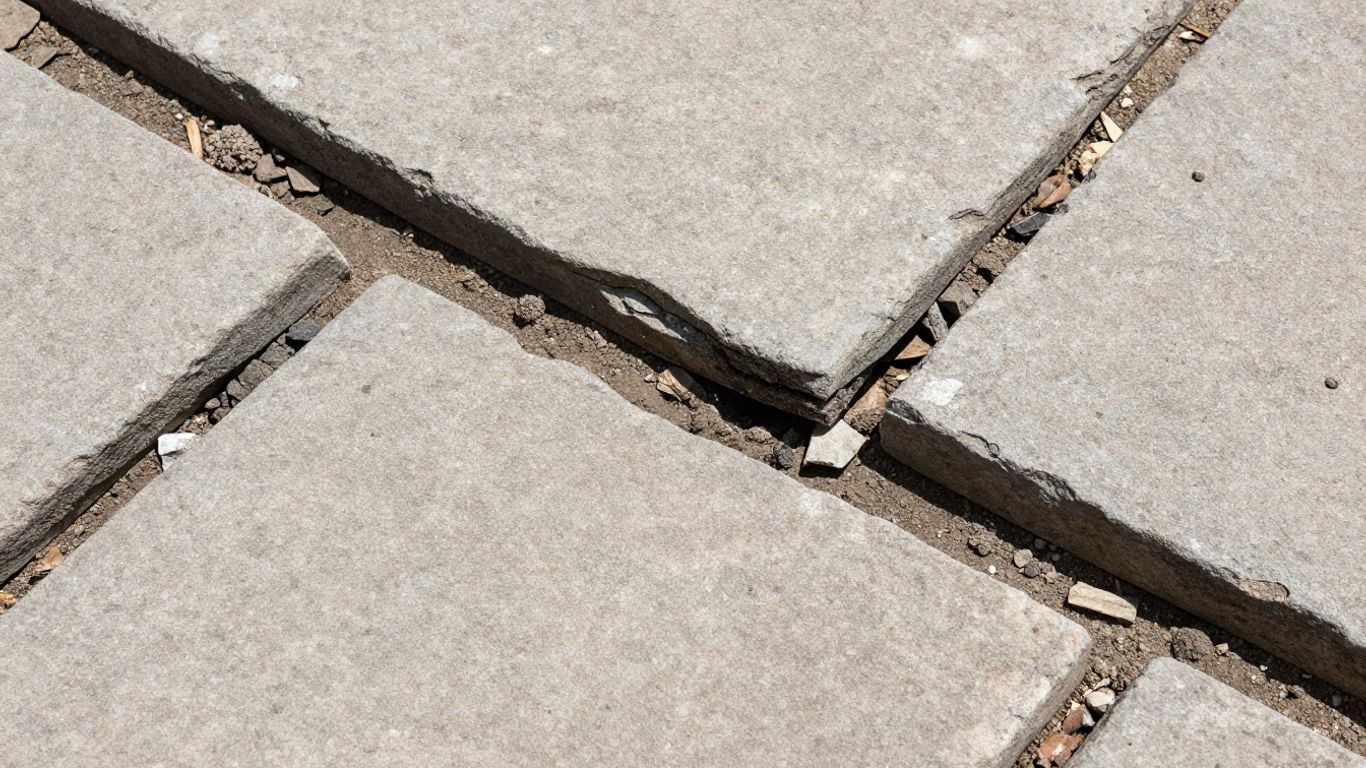
Winter can be a real pain for homeowners, especially when it comes to keeping your interlock and stonework looking good and staying safe. You know, when the ground freezes and thaws over and over? It can really mess with your patio, walkways, and even steps. This whole process, called frost heave, can cause all sorts of problems, from wobbly pavers to cracks. We’ll break down what frost heave is, why it happens, and most importantly, how you can stop it from ruining your hardscape.
What Is Frost Heave?
Frost Heave is one of those problems that sneaks up on homeowners every winter. It happens when moisture trapped in the soil beneath your driveway, patio, or walkway freezes and expands, pushing the ground and anything on top of it upward. You see it in the odd bulge in a patio stone or the cracks snaking across your walkway. Most folks don’t realize how destructive it can be until the freeze-thaw cycles settle in and the damage gets worse each year.
Here’s what actually triggers Frost Heave:
- Water in the ground freezes during cold weather, expanding in size
- This expanding water pushes soil and hard surfaces up from below
- When spring arrives and the ice melts, those same surfaces often settle unevenly, leaving dips, lips, and tripping hazards
It isn’t just a backyard problem. Even roads and highways can get battered by Frost Heave, causing uneven, cracked surfaces; just see these effects on major infrastructure by checking out bulging boulders on highways.
Some key factors make Frost Heave more likely:
- Soil type (certain soils, like clay, retain more water)
- Poor drainage around your hardscape
- Repeated freeze-thaw cycles during unpredictable winters
So, if your stones look uneven or you spot gaps opening up in your interlock every spring, there’s a good chance Frost Heave is behind it. Understanding how and why it happens is the first step to stopping it from wrecking your Ottawa landscape.
Signs Frost Heave Is Damaging Your Interlock
If you walk out one morning and notice your walkway is no longer smooth, frost heave might be working against your interlock. Frost heave disrupts the base beneath your stonework, pushing individual pavers out of place. The damage sneaks up on people sometimes; things look fine at first, but problems show up quickly after each freeze-thaw cycle.
Common signs include:
- Uneven or raised sections that make the surface bumpy and difficult to walk or drive on
- Large gaps are forming between pavers or bricks as they shift and move
- Cracked or broken stones—especially in areas where ice is common
- Wobbly stones that feel loose underfoot
- Water pooling in low spots that didn’t used to exist
- Moss or plant growth in shifted joints due to moisture accumulation
| Symptom | What it indicates |
|---|---|
| Raised stones | The base is lifting from freezing |
| Wide or shifted joints | Movement from expansion |
| Surface cracks | Structural pressure, moisture |
It’s easy to ignore small changes at first, they don’t seem like a big deal until the stones become tripping hazards or start breaking apart altogether. If you’re seeing unevenness develop, it likely means moisture got beneath the pavers and froze, expanding the base material. This isn’t just a nuisance; it can mess with the structure of your patio or driveway pretty fast.
If you’re wondering how to protect interlock from winter damage, it starts with recognizing these warning signs as soon as possible.
How Frost Heave Affects Different Surfaces
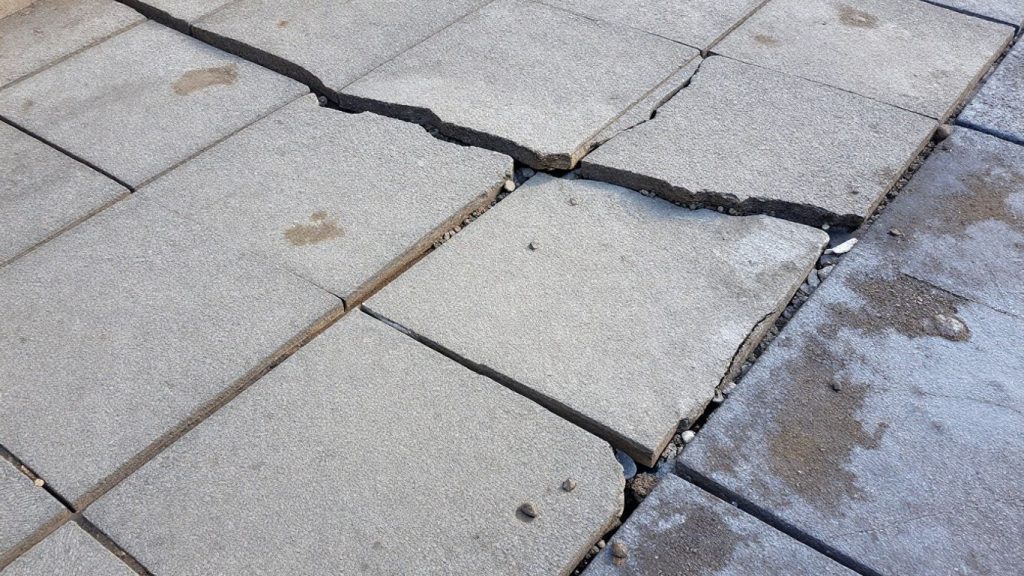
Frost heave is one of those problems you never really think about until spring rolls around, and you spot that weirdly bumpy, crooked walkway where your nice, neat pavers used to be. Different surfaces all react a little differently when the ground freezes and thaws, so it helps to know what to watch for if you want to keep your yard or patio looking its best.
Here’s a straight-to-the-point comparison of how frost heave messes with popular hardscape materials:
| Surface Type | Typical Frost Heave Effects | Long-Term Risk |
|---|---|---|
| Interlocking Pavers | Uneven surfaces, shifting, wobbly stones | Trip hazards, bigger gaps, loose bricks |
| Concrete Slabs | Cracks, uplifted edges, surface pitting | Replacements needed after years |
| Natural Stone | Stones pop out or become loose, unevenness | Broken stones, more water infiltration |
Some surfaces, like interlocking pavers, are a bit forgiving because you can sometimes reset individual stones. But concrete slabs? Once they start cracking, it usually keeps getting worse with every freeze-thaw cycle. Meanwhile, natural stone tends to look great but can get tricky if water slips below and pushes the stones out of place. That’s actually why a lot of people install interlocking pavers with a base that drains well, since they can handle movement and repairs a bit better.
A few ways frost heave shows up on different surfaces:
- Pavers or bricks wobble and seem loose underfoot
- Concrete patios develop thin cracks that spread every year
- Stone steps shift, making them tippy or even unsafe
- Patio surfaces lose their evenness, puddling in the low spots
If you want to avoid the worst of it, consider using materials with good drainage and flexible layouts. For example, interlocking pavers are designed to move just a little with the soil, which helps prevent major cracking or breakage. Of course, maintenance every fall and early spring goes a long way too.
Main Causes of Frost Heave in Hardscaping
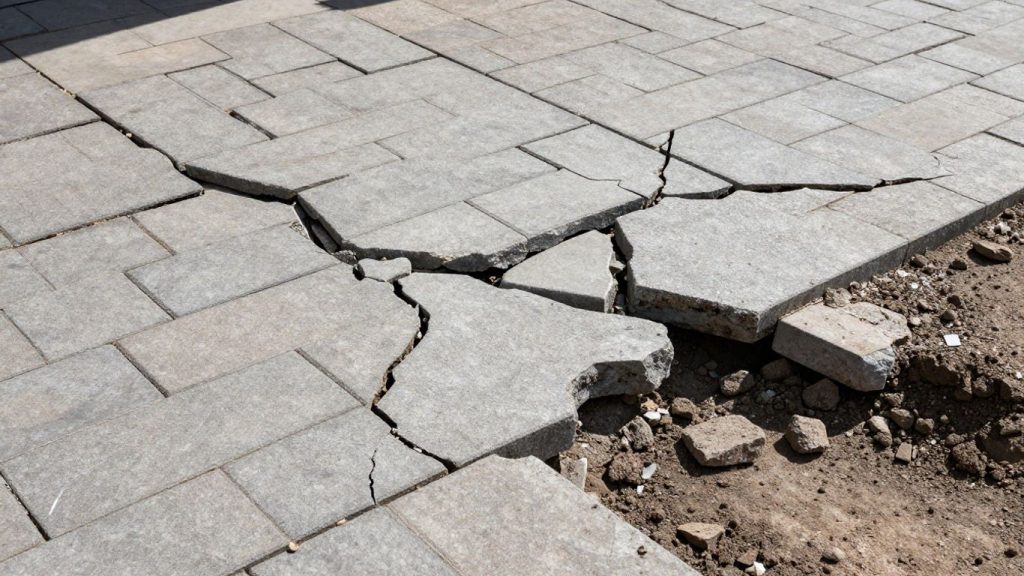
So, what actually makes your nice interlock patio or driveway start to lift and buckle? It usually comes down to a few key things, mostly involving water and freezing temperatures.
The biggest culprit is water getting into the ground beneath your hardscape and then freezing. When water freezes, it expands, and this expansion can exert a lot of force. Think of it like a tiny hydraulic jack pushing everything above it upwards. This is the core of frost heave.
Here are the main reasons this happens:
- Poor Drainage: If water can’t drain away properly from under and around your pavers, it sits there. This is especially true if the ground slopes towards your house or if there are low spots. Water trapped beneath the surface is prime material for freezing and expansion. Proper grading and drainage systems are super important to prevent this water damage to the stone.
- Inadequate Base Material: The layer of gravel and sand beneath your pavers is critical. If it’s not deep enough, or if the wrong type of material is used (like fine soil that holds water), it can become saturated. When this saturated base freezes, it heaves. A well-compacted, deep granular base is designed to drain water and resist frost.
- Freeze-Thaw Cycles: This is the constant back-and-forth of temperatures dipping below freezing and then rising above it. Each cycle allows water to freeze, expand, and push. As it thaws, things settle, but not always back to the original position. Over time, these cycles cause cumulative damage and lifting.
- Soil Type: Some soils hold more water than others. Clay soils, for instance, can become saturated and expand significantly when they freeze, contributing to frost heave.
Understanding these causes is the first step in preventing the dreaded driveway lifting in freezing weather. It’s all about managing water and building a solid foundation that can handle the cold.
How to Prevent Frost Heave Damage
Frost heave is one of those sneaky things that can really mess up your hardscaping if you don’t stay ahead of it. The key to stopping frost heave damage is to manage water and drainage long before winter hits. That way, water doesn’t sit in your soil, freeze, and push your pavers or stones out of place. Here’s what I’ve learned pulls the most weight when it comes to prevention:
- Install a proper base: Always dig down far enough to remove loose soil and fill with compacted, granular material. If your project skips this, frost will turn your patio or walkway into a wavy mess.
- Focus on drainage: Slope your patio away from the house, and make sure there are channels or swales to send water out and away. If you’re building near a wall, take drainage seriously to avoid pressure build-up and movement (pressure on the wall).
- Use the right materials: Not all sands, gravels, or stones are equal. Opt for materials that drain well, and use a layer of geotextile fabric to keep soil from mixing up the base layers.
- Seal or treat the surface: While you’re at it, seal dense stones with high-quality, breathable exterior products. It cuts down on how much moisture gets in.
- Watch your de-icing habits: Go easy on salt, especially rock salt. Sand or calcium-magnesium acetate is better for many surfaces.
- Regular maintenance: Look for sunken or shifting pavers in the fall. Re-level and refill joints before things freeze over so water won’t seep in and cause havoc.
At the end of the day, a little effort in fall saves a huge headache (and dollars) come spring. If you notice movement year after year, you may need to rethink the base or drainage setup. Sometimes, the problem is just too much water sticking around, so work to keep those areas dry and clear all year.
Can Frost-Heaved Interlock Be Repaired?
So, your interlock patio or walkway has started looking a bit like a roller coaster after a hard winter? It’s a common sight, unfortunately. The good news is, yes, frost-heaved interlock can often be fixed. The key is understanding the extent of the damage and addressing the root cause, not just the symptoms.
When frost heave pushes your pavers out of place, it’s usually because water got under the base layer, froze, expanded, and then pushed everything up. As it thaws, things can settle unevenly, leaving you with those annoying dips and bumps.
Here’s a general idea of what goes into fixing it:
- Assessment: First, you need to figure out how bad it is. Are just a few stones loose, or is a whole section buckled? Is the base underneath compromised?
- Removal: The damaged or displaced pavers need to be carefully removed. Sometimes, you can reuse them if they haven’t been chipped or broken.
- Base Correction: This is the most important part. The underlying base material needs to be checked. If it’s waterlogged or wasn’t installed correctly, it needs to be dug out, properly graded, and refilled with a suitable, free-draining aggregate. Adding a proper slope away from structures is vital here.
- Reinstallation: Once the base is solid and sloped correctly, the pavers are put back in place. They should fit snugly together.
- Edge Restraints: Often, frost heave happens because the edges aren’t properly secured. Adding or reinforcing edge restraints can help keep everything in line.
Sometimes, especially if the installation was done right initially with a good base and drainage, the pavers might settle back into place on their own once the ground fully thaws. But if you’re seeing significant unevenness or loose stones, it’s usually time for a repair.
DIY vs Professional Frost Heave Repair
So, your interlock or stonework has gotten all wonky from frost heave. Bummer. Now you’re wondering if you can just fix it yourself or if you need to call in the cavalry. It really depends on how bad the damage is and what you’re comfortable with.
For minor issues, like a few slightly uneven pavers, you might be able to tackle it. Sometimes, as the ground settles after the thaw, things can even out on their own, especially if your hardscape was installed correctly with good drainage and a proper base. If it’s just a little dip or a slight tilt, you could try carefully lifting the affected stones, adding some paver base material underneath, and then resetting them. Make sure you’re working with a level surface and compacting the base well. It’s also a good idea to check and improve drainage around the area to prevent it from happening again.
However, if you’re seeing significant heaving, large cracks, or if entire sections of your patio or walkway have shifted dramatically, it’s probably time to call a professional. These bigger problems often point to deeper issues with the base material, drainage, or even the underlying soil. Professionals have the equipment and the know-how to properly excavate, assess the base, add the right kind of granular material, and ensure everything is compacted correctly. They can also identify and fix the root cause, not just the symptom.
Here’s a quick rundown:
- DIY: Best for minor, isolated unevenness. Requires patience, the right tools, and a good understanding of how pavers are laid.
- Professional: Necessary for widespread damage, deep heaving, or when the underlying cause isn’t obvious. They have specialized equipment and experience.
If you’re unsure, it’s always better to get a professional opinion. They can give you an honest assessment of the damage and whether a DIY fix is realistic or if you need their help. Trying to fix a big problem yourself without the right knowledge could end up costing you more time and money in the end.
Protecting Your Hardscape Before Winter
Getting your interlock and stonework ready for winter is a big deal. It’s not just about making things look nice; it’s about preventing those annoying and sometimes expensive problems that pop up when the cold really sets in. Think of it as a little bit of preventative care that can save you a lot of headaches come spring.
One of the first things you should do is a good sweep and clean. Get rid of any leaves, dirt, or debris that might be sitting on your pavers or between the stones. This stuff can trap moisture, and when that moisture freezes, it expands, which is exactly what we’re trying to avoid. After cleaning, check for any loose or rocking pavers. If you find some, now’s the time to reset them and fill any gaps with polymeric sand. This stuff hardens up and helps keep water out of the base layers, which is key for preventing stonework cracks in cold climates.
When it comes to dealing with ice and snow, be smart about it. Avoid using rock salt whenever possible, especially on limestone or concrete. Salt can really eat away at the surface over time, leading to pitting and weakening the material. Instead, opt for sand or calcium-magnesium acetate for traction. If you need to clear snow, use a plastic shovel, not metal. Metal shovels can scratch and chip your pavers, and nobody wants that.
Here are some quick tips for maintaining pavers in winter:
- Clear snow promptly: Don’t let heavy snow pile up. The sooner you clear it, the less chance it has to compact and turn into ice.
- Manage water runoff: Make sure your downspouts are directing water away from your patio and walkways. Standing water near your hardscape is a recipe for trouble when it freezes.
- Consider sealing: Applying a breathable, exterior-grade sealer can give your stones an extra layer of protection against moisture and salt. Just make sure it’s the right kind – you don’t want to trap moisture in.
Finally, if you have any cracks in mortar joints or loose stones on steps or walls, get those fixed before winter. Small problems can become big problems when they’re exposed to freeze-thaw cycles. Addressing these issues now is part of a good strategy for protecting your interlock and stonework all season long.
Wrapping Up: Keeping Your Stonework Solid
So, winter’s tough on our patios and walkways, no doubt about it. Frost heave can really mess things up, making those nice flat stones all wobbly and uneven. But hey, it’s not the end of the world. A little bit of smart prep work before the cold really bites can make a huge difference. Think about sealing things up, managing water flow, and using the right stuff – or no stuff at all – to deal with ice. Taking these steps now means fewer headaches and fewer repairs when spring rolls around. Your stonework will thank you for it, and you won’t be tripping over loose pavers all summer.
Frequently Asked Questions
What exactly is frost heave?
Frost heave happens when water in the ground freezes and expands. This expansion pushes the soil and anything on top of it, like your pavers or stones, upwards. It’s like the ground is getting a big, icy push!
How can I tell if frost heave is messing with my interlock or stonework?
Look for uneven or wobbly stones, cracks in the pavement, or gaps where stones used to fit snugly. Sometimes, you might even see small hills or dips in your patio or walkway where the ground has been pushed up.
Why is frost heave worse in some areas than others?
It depends on a few things. If the ground holds a lot of water and freezes deeply, frost heave can be worse. Also, how the stones were put in place matters. If there wasn’t good drainage or a strong base, the ground can move more easily.
What’s the best way to stop frost heave from happening in the first place?
The key is good drainage! Make sure water can flow away from your stonework. Using a strong base material that lets water pass through also helps. Sometimes, sealing your stones can offer a bit of protection, too.
If my stones get heaved, can I fix them?
Yes, you often can! Usually, you can gently push or lift the stones back into place once the ground thaws. You might need to add more base material underneath and then re-level them. Filling any gaps with special sand can help keep them stable.
Are there any de-icing products that are safer for my stones?
For sure! Regular salt can be harsh. It’s better to use sand for grip on icy surfaces. If you need to melt ice, try products like calcium-magnesium acetate (CMA). Always check what’s best for your specific type of stone, as some, like limestone, are more sensitive to salt.