
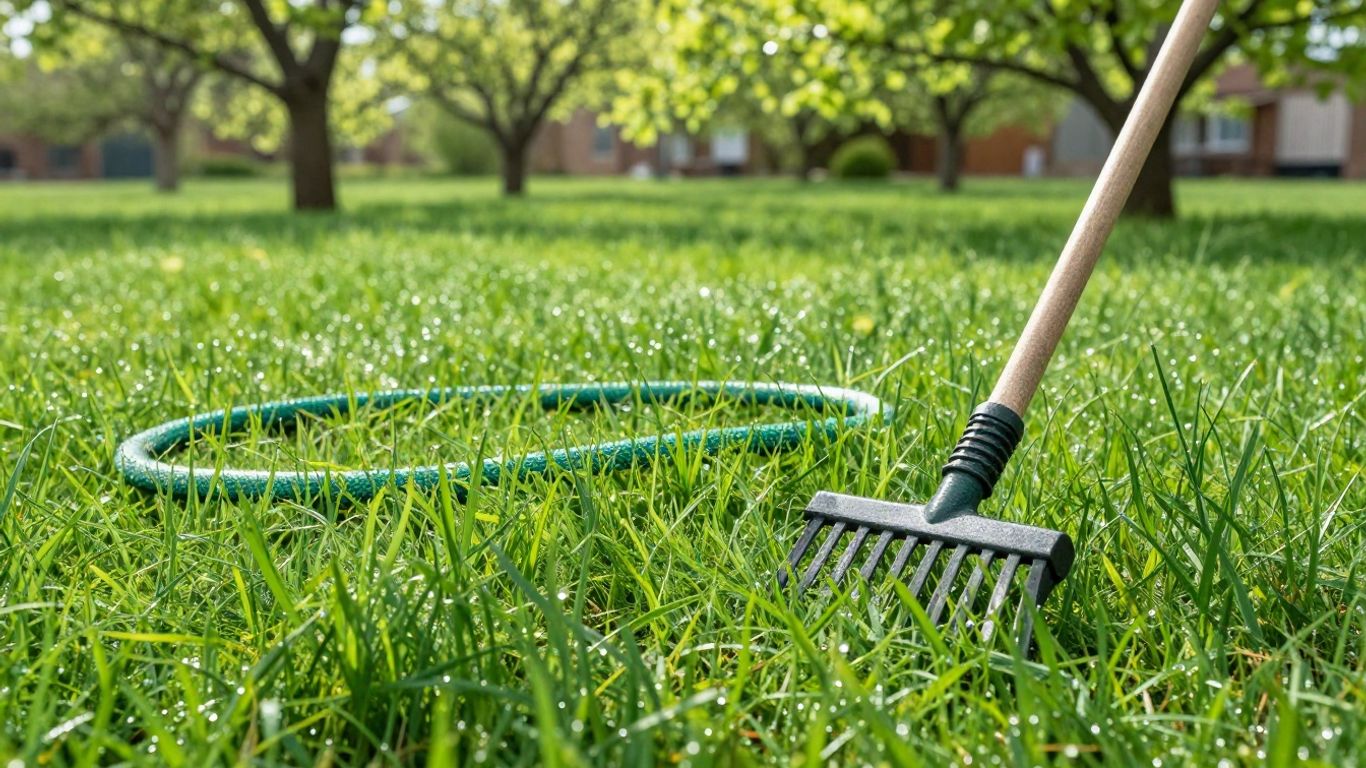
After a long Canadian winter, your lawn is probably looking a bit sad. Snow melts, revealing patchy spots and maybe some lingering debris. Getting it back in shape for summer doesn’t have to be a huge chore, though. It’s all about knowing what to do and when. This guide breaks down the early spring lawn care steps so you can get your yard looking good without too much fuss. We’ll cover the basics, from cleaning up to giving it the right food, so you’re set for a great growing season.
Why Early Spring Lawn Care Matters in Canada
Alright, so winter’s finally packed its bags, and you’re probably itching to get outside and get your lawn looking decent again. But hold on a sec – before you go wild with the fertilizer spreader, there’s a bit more to it, especially here in Canada. Our cool-season grasses, the ones most of us have, are just waking up from a long nap. They’re not exactly ready for a full-on workout the moment the snow melts.
Getting your lawn care right in early spring sets the stage for the entire growing season. It’s like giving your grass a good, healthy breakfast before a big day. If you rush things or do them wrong, you can actually stress it out, making it weaker and more prone to problems down the road. Think patchy spots, more weeds, and just a generally sad-looking yard.
Here’s the lowdown on why this early attention is so important:
- Waking Up Gently: Our grasses need a gradual transition. Early care focuses on cleaning up winter’s mess and preparing the soil, not forcing growth.
- Fighting Off Weeds: Some weed seeds start popping up pretty early. Getting ahead of them now means less work later.
- Building Strength: Addressing issues like compaction or thin spots early helps the grass develop deeper roots, making it tougher against summer heat and dry spells.
- Regional Differences: Canada’s a big place, right? Spring hits differently from coast to coast. What works in Vancouver might not be ideal for Ottawa. Knowing your local timing is key.
Rushing spring care for lawn can do more harm than good. It’s better to wait for the right conditions, like when the soil has firmed up a bit and the risk of frost has passed. Patience now means a healthier lawn later.
Basically, it’s about working with your lawn, not against it. A little bit of thoughtful care in these early weeks makes a huge difference in how green, thick, and healthy your yard looks all summer long.
Early Spring Lawn Recovery Checklist (Step-by-Step)
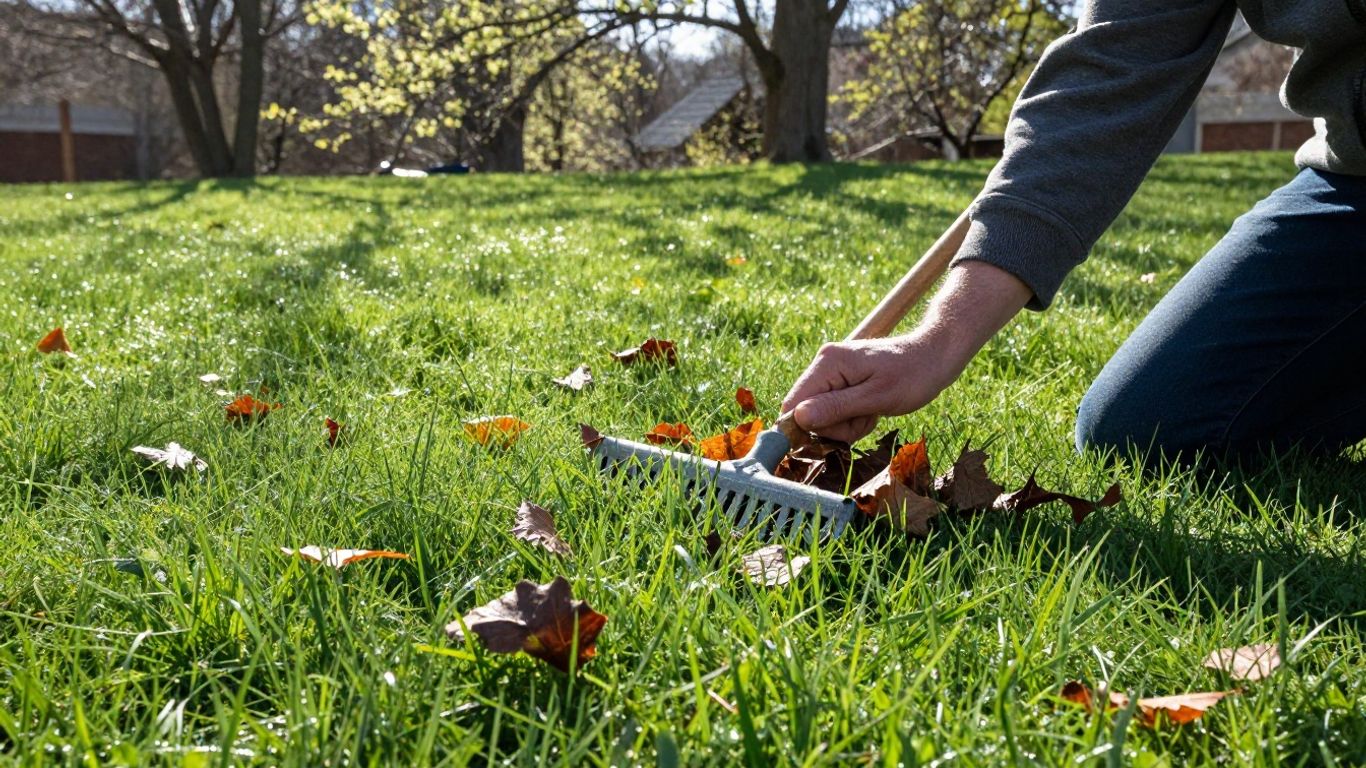
After a long winter, your lawn is probably looking a bit rough. Snow melt can leave it soggy and compacted, and debris from the cold months might be hiding underneath. Getting your grass back on track doesn’t have to be complicated, but it does require a bit of patience and the right approach. Here’s a step-by-step guide to help your lawn recover and thrive this spring.
Inspect Your Lawn After Snow Melt
Before you do anything else, take a good look at your lawn once the snow is completely gone and the ground has had a chance to dry out a bit. It’s tempting to jump right in, but walking on saturated soil can cause damage that’s hard to fix later. Wait until the lawn feels firm underfoot and you’re not leaving deep footprints. Check for areas that might have suffered from snow pile damage, ice, or just general winter wear and tear. Look for thin spots, bare patches, or areas where the grass seems matted down.
Gentle Raking to Remove Debris & Thatch
Once the ground is firm enough, it’s time for a gentle cleanup. Winter can leave behind a mess of leaves, twigs, and other debris. Use a leaf rake or a spring-tine rake to lightly go over the lawn. The goal here is to lift any flattened grass blades and remove loose debris. Don’t go at it aggressively; you’re not trying to scarify the lawn, just fluff it up and get rid of anything that’s blocking sunlight and air. If you notice thicker layers of thatch (that spongy layer of dead grass between the green blades and the soil), a light raking can help break that up too, improving air and water flow.
Aerate Compacted Soil
If you notice your lawn feels hard or water tends to pool in certain areas, your soil might be compacted. This is common after winter, especially if you’ve had heavy snow or foot traffic before the ground fully dried. Aeration involves making small holes in the soil to relieve this compaction. This allows air, water, and nutrients to reach the grass roots more easily, which is super important for healthy growth. You can use a core aerator (which pulls out small plugs of soil) or a spike aerator. If you have clay soil, core aeration is usually best.
Overseed Bare & Thin Areas
After you’ve cleaned up and aerated, you’ll have a clearer picture of any spots that are truly bare or very thin. Now is the time to address those. Choose a grass seed mix that matches your existing lawn type and the conditions in your yard (sun vs. shade). Spread the seed evenly over the bare or thin areas. You can lightly rake it in to ensure good seed-to-soil contact. Keep the newly seeded areas consistently moist until the grass germinates and starts to establish.
Apply Early Spring Fertilizer
Fertilizing too early, when the grass is still waking up and the soil is cold, isn’t very effective and can even lead to problems like nutrient runoff. Wait until your grass has started to show signs of active growth – usually a few weeks after the last frost. Look for a fertilizer with a good amount of nitrogen to help promote green, leafy growth. A slow-release formula is often a good choice, as it feeds the lawn over a longer period. Always follow the application rates on the fertilizer bag to avoid over-fertilizing, which can harm your lawn and contribute to issues like frost heave.
First Mow: Timing & Height Matters
Your first mow of the season is more about tidying up than anything else. Wait until the grass has grown to about 2-3 inches tall. When you do mow, set your mower to a higher setting than you might use in the summer. Avoid cutting off more than one-third of the grass blade at a time. This helps reduce stress on the grass as it’s recovering. Make sure your mower blade is sharp; a dull blade can tear the grass, leaving it vulnerable to disease.
Control Early Weeds Before They Spread
Spring is also prime time for weeds to start popping up. Some weeds, like dandelions, are easy to spot and pull by hand. For others, especially grassy weeds like crabgrass, a pre-emergent herbicide applied in early spring can be very effective. This type of weed control works by preventing weed seeds from germinating. If you’re dealing with broadleaf weeds, you might need a post-emergent treatment after they’ve already appeared. Addressing weeds early prevents them from taking over and competing with your grass for resources.
Common Lawn Care Mistakes Homeowners Make in Spring
It’s easy to get excited when the snow finally melts, and you want to get your lawn looking its best. But sometimes, that eagerness can lead to missteps that actually hurt your grass more than they help. We’ve all been there, right? You think you’re doing the right thing, only to find out later it wasn’t the best move.
One of the biggest slip-ups is getting too aggressive too soon. Think about it: the ground is probably still pretty soggy, and your grass is just starting to wake up. Walking all over it or using heavy equipment can compact the soil, making it tough for air and water to get to the roots. This is why waiting for the lawn to firm up is so important.
Here are a few other common blunders to watch out for:
- Overwatering: It sounds simple, but watering too much or too often can drown the roots and create a breeding ground for diseases. Most lawns need about an inch of water per week, but that can vary a lot. It’s better to water deeply and less frequently.
- Cutting the Grass Too Short: Mowing too low stresses the grass, making it weak and more susceptible to weeds and drought. Always follow the one-third rule – never cut off more than a third of the blade at once. Starting with a higher setting in spring is usually a good idea.
- Ignoring Weeds Early: Those little sprouts you see early on? They’re the ones that will become big problems later. Waiting too long to deal with weeds means they’ll have more time to spread and compete with your grass for resources.
- Skipping Soil Tests: You can’t fix what you don’t know is broken. Without testing your soil’s pH and nutrient levels, you might be applying the wrong things or missing out on what your lawn actually needs to thrive.
Applying fertilizer too early, before the grass is actively growing and the soil has dried out, is another common mistake. This can lead to weak, rapid growth that’s prone to disease and thatch buildup, and the nutrients might just wash away before the grass can even use them.
Getting these early spring tasks right sets the stage for a healthy summer. If you’re feeling overwhelmed or just want to make sure it’s done perfectly, consider looking into professional lawn care services in Ottawa. They have the know-how to avoid these common pitfalls and give your lawn the best possible start.
How to Take Care of a Lawn for a Healthy Summer
So, you’ve done the early spring cleanup and recovery, which is great. But how do you keep that momentum going and make sure it looks good all summer long? It’s not just about watering and mowing, though those are big parts of it. Think of it as a continuous process, not a one-and-done deal.
The key to a healthy summer lawn is consistent, smart care that addresses the specific needs of your grass during warmer months.
Here are some lawn care tips for summer that really make a difference:
- Adjust Your Mowing Habits: As temperatures climb, it’s best to raise your mower’s cutting height. Taller grass shades the soil, which helps it hold onto moisture and keeps the roots cooler. Aim to never cut more than one-third of the grass blade at a time. And for goodness sake, keep those mower blades sharp! Dull blades tear the grass, making it more susceptible to disease and drying out.
- Water Wisely: Deep, infrequent watering is much better than short, daily sprinklers. You want to encourage those roots to grow down deep into the soil, making the grass more resilient to heat and drought. Try to water early in the morning so the grass blades have time to dry before nightfall, which helps prevent fungal issues. How much water? Generally, about an inch per week, but adjust based on your local weather and soil type.
- Keep an Eye Out for Pests and Diseases: Summer heat and humidity can be a breeding ground for all sorts of lawn problems. Regularly walk your yard and look for any unusual spots, discoloration, or signs of insect activity. Catching these issues early makes them much easier to deal with. Sometimes, a simple change in watering or a targeted treatment is all that’s needed.
Don’t forget about the edges and beds around your lawn. Keeping these areas tidy with edging and a fresh layer of mulch not only looks good but also helps retain moisture in the soil and keeps weeds from creeping into your lawn.
If you’re looking to give your lawn a fresh start or need help with specific issues like poor drainage or bare patches, professional sod installation in Ottawa can be a great option. Companies like Bennett Lawn & Landscape offer services tailored to your specific needs and climate.
Remember, consistent effort throughout the summer will pay off with a lush, green lawn that you can actually enjoy. It’s all about working with nature, not against it.
Lawn Care Tips for Summer in Ottawa
Alright, so spring is winding down, and your lawn is looking pretty good after all that recovery work. But now we’ve got to think about keeping it that way through the Ottawa summer. It’s not just about letting it grow wild; there are a few key things to keep in mind to prevent it from getting stressed out by the heat and dry spells.
The biggest thing is watering – and doing it right. You want to water deeply but not every single day. Think about giving your lawn about an inch of water per week. If you just do a little sprinkle every day, the roots won’t grow very deep, and then when it gets really hot, the grass will suffer. So, aim for longer watering sessions less often. This encourages those roots to go down searching for moisture, making the whole lawn tougher.
Here’s a quick rundown of what to focus on:
- Mowing Height: Don’t cut your grass too short. Keeping it a bit longer, maybe around 3 inches, actually helps shade the soil. This means less water evaporates, and the soil stays cooler. Plus, taller grass is generally stronger grass.
- Watering Schedule: As mentioned, deep and infrequent is the way to go. If you have an irrigation system, now’s the time to check it over to make sure it’s watering evenly. No one wants dry spots.
- Watch for Pests and Diseases: Summer heat and humidity can sometimes bring out lawn diseases or pests. Keep an eye out for any unusual spots or patches. Catching these early makes them much easier to deal with.
- Fertilizing (Carefully): You probably did your main spring feeding. For summer, it’s usually best to hold off on heavy fertilizing unless your grass really needs it. Too much nitrogen in the heat can make the grass grow too fast and weak.
Summer is a time when your lawn can really show the effects of stress. Consistent, smart care during these months is what sets you up for a healthy lawn that bounces back well in the fall. It’s all about helping it survive the heat and stay green.
If you’re finding that keeping up with watering, mowing, and pest control is becoming a bit much, especially with Ottawa’s summer weather, there are always professional Ottawa landscaping services available. They can handle the regular maintenance to keep your outdoor space looking its best all season long.
When to Call a Professional Lawn Care Service
Sometimes, you just need a little extra help to get your lawn looking its best. While DIY lawn care for lawn is rewarding, there are times when calling in the pros makes a lot of sense. If you’ve tried tackling a problem and it just isn’t getting better, or if you’re facing something a bit beyond the usual spring cleanup, it might be time to consider professional lawn care.
Don’t hesitate to reach out if you’re dealing with persistent issues like widespread pest infestations, aggressive weed problems that your usual methods can’t control, or significant soil compaction that’s hindering grass growth. These kinds of challenges often require specialized knowledge and equipment that most homeowners don’t have readily available. Plus, trying to fix them yourself can sometimes make things worse or just waste a lot of time and money.
Here are a few situations where professional help is a good idea:
- Severe Soil Compaction: If your soil is so hard that water pools on the surface for days or grass struggles to grow, professional aeration might be needed. They have powerful equipment that can really break up that tough ground.
- Unidentified Lawn Diseases or Pests: Spotting a few bugs or a small brown patch is one thing, but if you see a widespread problem that’s spreading quickly, it’s best to get an expert opinion. They can properly diagnose the issue and recommend the right treatment.
- Large Property or Complex Landscape: Maintaining a huge yard or a property with many tricky slopes, raised garden beds in Ottawa, or water features can be a full-time job. Professionals have the teams and tools to handle these larger or more complicated jobs efficiently.
- Lack of Time or Energy: Let’s be honest, sometimes life just gets busy. If you know you won’t have the time or energy to give your lawn the attention it needs, a service can take that burden off your shoulders. They can handle everything from mowing to fertilization and weed control.
Hiring a professional service isn’t just about convenience; it’s about getting expert advice and treatments tailored to your lawn’s specific needs. They can often prevent bigger, more expensive problems down the road by addressing issues early and correctly. It’s an investment in a healthier, more resilient lawn that will look great all season long.
Why Choose Bennett Lawn & Landscape for Spring Lawn Care
Look, getting your lawn back in shape after a long Canadian winter can feel like a puzzle. You’ve got snow melt, maybe some patchy spots, and you’re wondering what to do first. That’s where we come in. At Bennett Lawn & Landscape, we get that your time is probably better spent doing, well, anything else. We handle the guesswork so you don’t have to.
We know that timing is everything in spring. Throwing down fertilizer too early or raking when the ground is still soggy? That can actually hurt your lawn more than help it. We pay close attention to soil temperatures and when your grass is actually ready to start growing again. It’s not just about getting out there; it’s about getting out there right.
Here’s a quick look at what makes us different:
- Expert Assessment: We don’t just guess. We look at your lawn, check for compaction, see where it needs a little extra love, and figure out the best plan.
- Proper Timing: We know when to aerate, when to seed, and when to fertilize based on actual conditions, not just the calendar.
- Quality Products: We use good stuff, from fertilizers that feed your lawn properly to seed blends that actually work in our climate.
- Weed & Pest Prevention: Getting ahead of weeds and potential problems early saves you headaches later in the summer.
We understand that every lawn is a bit different. What worked for your neighbor might not be the best move for your yard. We tailor our approach to what your specific lawn needs to recover and thrive.
Think of us as your shortcut to a great-looking lawn. We take the stress out of spring cleanup and recovery, giving you a healthy, vibrant yard without you having to lift a finger. Let us give your lawn the best possible start to the season.
Conclusion
So, there you have it. Getting your lawn back in shape after winter isn’t some big mystery. It’s mostly about paying attention to what your grass actually needs and doing things in the right order, like cleaning up, testing the soil, and then feeding it when it’s ready. Don’t stress too much if it’s not perfect right away; lawns take time to bounce back. Just stick with the plan, and you’ll be enjoying a much greener, healthier yard before you know it. Happy lawn tending!
Frequently Asked Questions
When is the best time to start early spring lawn care?
You should start your early spring lawn care after the last frost has passed and the soil is no longer frozen or super muddy. Look for signs that your grass is starting to wake up and grow. It’s also important for the ground to feel firm when you walk on it, not squishy.
Why is cleaning up debris in early spring so important?
Cleaning up leaves, twigs, and other stuff left from winter is crucial. This debris can block sunlight, trap too much moisture, and create a cozy home for diseases to grow. Clearing it off helps your grass get the sun and air it needs to start growing strong.
How do I know if my lawn needs to be aerated?
If your lawn feels hard when you walk on it, or if you notice it stays wet for a long time after it rains or snow melts, your soil is probably compacted. Aerating helps loosen up that tight soil so air, water, and nutrients can reach the grass roots better.
When should I apply fertilizer to my lawn in the spring?
Don’t rush to fertilize! It’s best to wait until your grass has actually started growing and looks green. Applying fertilizer too early, when the soil is still cold, means the grass can’t use it, and it might just wash away with the spring rains.
What should I do about snow mold?
Seeing those circular patches of matted grass, sometimes with a pinkish or grayish look, is likely snow mold. It’s pretty common after a snowy winter. Usually, just gently raking the area to let air flow and waiting for the sun to dry things out is enough for it to recover on its own.
How high should I cut my grass during the first mow of spring?
For your first mow, it’s best to set your mower to a higher setting. Avoid cutting the grass too short, which is called ‘scalping.’ Cutting it higher encourages the grass to grow thicker and helps it stay healthy and strong throughout the season.