
Thinking about getting a new lawn in Canada, especially with that tough clay soil? It’s a common question: should you go with sod or grass seed? Both have their ups and downs, and what works best really depends on your situation, your soil, and what you’re hoping to achieve. Let’s break down the lawn seed vs sod debate to help you make the right choice for your yard.
Why Clay Soil Is Challenging for Lawns in Canada
Clay soil. It’s a common sight across much of Canada, and while it can be nutrient-rich, it presents some unique headaches for anyone trying to establish a nice, green lawn. If you’re thinking about sod or seed, understanding these challenges is step one.
Poor Drainage
Clay soil particles are tiny and packed together tightly. This means water doesn’t easily seep through. Instead, it tends to sit on the surface or just above the root zone. This waterlogged condition can literally suffocate grass roots, preventing them from getting the oxygen they need to survive. It also creates a breeding ground for fungal diseases, which can quickly turn a promising lawn into a sad, yellowing mess. You might notice puddles lingering long after a rain, or the ground feeling spongy underfoot. This is a classic sign of poor drainage, and it’s a major hurdle for healthy grass growth.
Soil Compaction
Because clay soil particles are so fine, they can easily get pressed together, especially with foot traffic or even just the weight of heavy equipment. When this happens, the soil becomes compacted. Compacted clay soil is like concrete for roots – it’s incredibly difficult for them to penetrate and spread. This limits the grass’s ability to access water and nutrients, making it weak and more susceptible to stress from heat, drought, or heavy use. Aerating can help, but with heavy clay, it’s a constant battle.
Seed Germination Problems
Getting grass seed to sprout and establish in clay soil can be a real gamble. The poor drainage and compaction issues we just talked about make it tough for tiny seedlings to get a foothold. If the soil stays too wet, seeds can rot before they even sprout. If it dries out on the surface, the delicate new roots can’t establish themselves. Plus, the hard, crusty surface that clay can form can physically prevent seedlings from pushing through. This is why many people find that seeding directly into unprepared clay soil often leads to patchy, disappointing results, and they start looking for alternatives like patio installation options in Ottawa.
It’s not just about picking the right grass type, though that’s important too – finding the best grass for clay soil Canada has to offer is key. You also have to consider how the soil itself behaves. Clay’s tendency to hold water and compact means you’re fighting an uphill battle from the start if you don’t address these issues first.
What Is Sod?
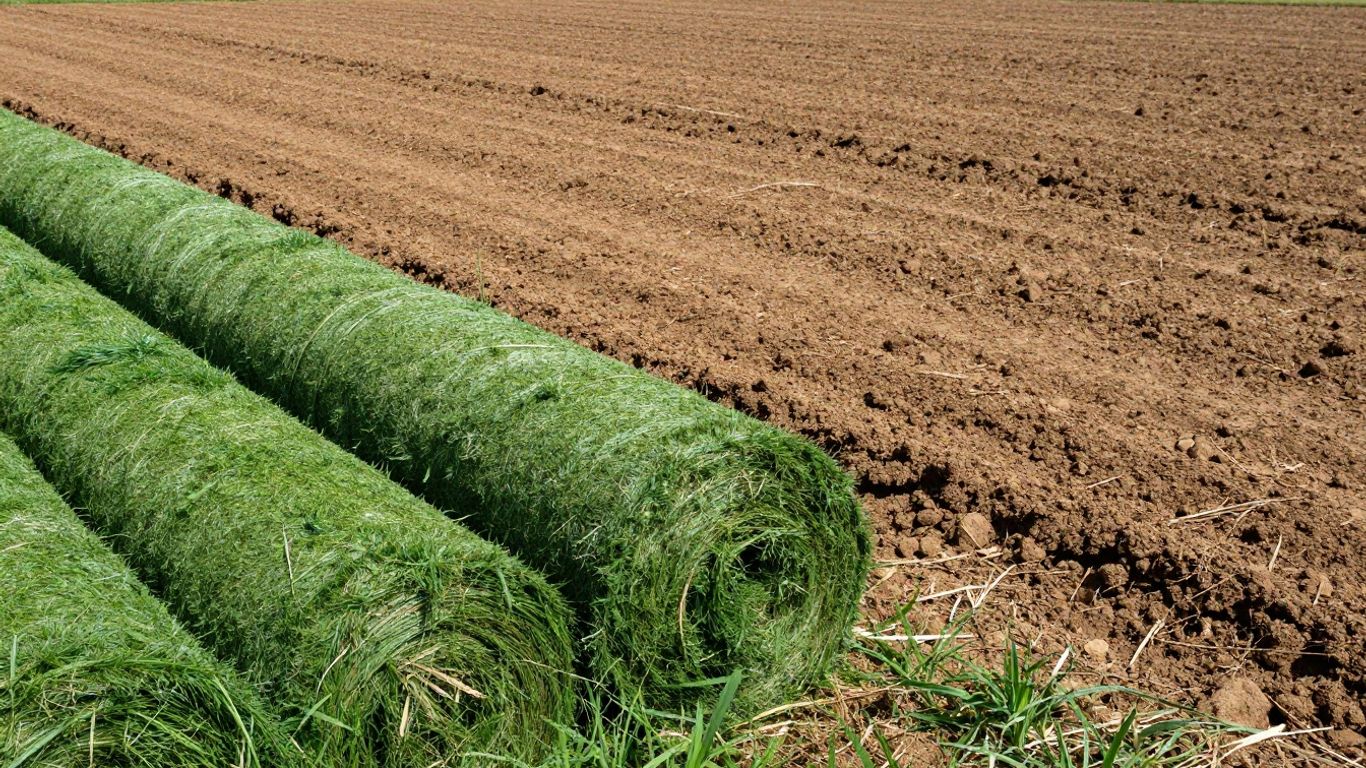
It is basically sections of mature grass already grown with a thin layer of soil, held together by roots. Homeowners buy rolls or slabs of sod when they want a quick, green lawn instead of waiting for seeds to sprout. It is grown and cut at a farm, then delivered and laid out in a prepared yard.
How Sod Is Installed
- First, the soil has to be cleared of rocks, weeds, and any old grass.
- Next comes grading and tilling to level the area and loosen up the ground for roots.
- The sod rolls are then rolled out in staggered seams, sort of like bricks, and pressed into the soil.
- Right after, it needs lots of water so the roots can bond with the base underneath.
It sounds pretty straightforward, but everything comes down to soil preparation—if that’s skipped, the new sod could struggle to connect with the underlying ground. If you’re interested in how soil conditions make a difference, you might want to read about the importance of segregation of duties, as good preparation is just as key to lawn success as it is for internal controls in business.
Benefits of Sod
The instant transformation is the biggest draw—your lawn goes from bare dirt to green in less than a day.
- Instant curb appeal with no patchy spots at first.
- Can be walked on after just a couple of weeks.
- Gets ahead of weed issues since the thick sod blocks sunlight.
A lot of folks also like not having to fuss with straw, mud, or seed washout from heavy rain.
Downsides of Sod
Even though it is quick, it’s not perfect.
- The price is quite a bit higher than just buying seed.
- It sometimes takes its time “hooking in” to clay soil, so roots can just sit in that original soil slab it’s delivered with for a while.
- There’s extra pressure to water a lot at first—if you miss early watering, pieces can dry out, shrink, or even die off.
It seems like it solves all your problems up front, but if you don’t handle the prep and first month’s care carefully, those problems can come back fast.
If you’re dealing with clay soil, some sod choices can do better than others—such as ryegrass or fescue blends, which handle heavy, sticky dirt and lots of foot traffic. But before you rush out to order it, make sure you know what’s underfoot and what you need to do to get the roots to take.
What Is Grass Seeding?
Grass seeding, also known as hand seeding, is the process of scattering grass seeds directly onto prepared soil. It’s a method that allows each seed to make direct contact with the ground, which is pretty important for germination. After spreading the seed, a light raking or rolling helps to press them into the soil, ensuring good contact and a slightly covered surface. This is often followed by a layer of straw mulch.
How Lawn Seeding Works
When you go the seeding route, the goal is to get each seed nestled comfortably into the soil. Here’s a general idea of the steps involved:
- Soil Preparation: This is key. You need to loosen the soil, remove debris, and level the area. For clay soil, this might involve adding compost or other amendments to improve drainage and texture.
- Seed Application: The grass seed is spread evenly across the prepared soil. You can do this by hand or with a spreader, depending on the size of your lawn.
- Light Covering & Compaction: A light raking or a gentle pass with a roller helps to cover the seeds with a thin layer of soil and press them down. This contact is vital for moisture absorption.
- Mulching in Ottawa: A layer of straw is often spread over the seeded area. This helps retain moisture, protects the seeds from birds and erosion, and provides some shade.
- Watering: Consistent moisture is critical. The soil should be kept damp, but not waterlogged, until the grass is established.
Benefits of Seeding
- Cost-Effective: Generally, seeding is less expensive upfront than buying and installing sod.
- Customization: You have the freedom to choose specific grass varieties or blends that best suit your local climate, soil conditions, and desired lawn appearance. This allows for a lawn tailored to your needs.
- Stronger Root System: Because the grass grows from seed directly in your soil, it tends to develop a deeper and more robust root system over time, making it more resilient.
Downsides of Seeding
- Time: It takes longer to establish a mature lawn from seed. You’re looking at several weeks to months before you have a fully covered, usable lawn.
- Vulnerability: Newly germinated grass is delicate and susceptible to damage from foot traffic, pests, and harsh weather conditions. The young plants are quite fragile.
- Weed Competition: There’s a higher chance of weeds germinating alongside your grass seed, potentially competing for resources and making the initial stages of lawn care more challenging.
When you’re seeding, the idea is to give each seed the best possible start. That means making sure it’s in direct contact with the soil, which helps it absorb water and nutrients. A light covering and some mulch can really make a difference in how well those tiny seeds take hold and start to grow into a healthy lawn.
For those looking for expert help with lawn installation in Ottawa, whether it’s seeding or sod, services like Bennett Lawn and Landscape can provide professional solutions.
Sod vs Seed for Clay Soil (Side-by-Side Comparison)
When it comes to sod vs seed for clay soil in Canada, the right pick depends on your priorities and how much patience (or effort) you’re willing to put in. Clay soil doesn’t make lawn building easy: it holds water, compacts underfoot, and can make roots struggle to grow deep. But both have particular strengths—and drawbacks—when you’re starting from this sticky soil.
Here’s a quick side-by-side look at sod vs seed clay soil:
| Feature | Sod | Seed |
|---|---|---|
| Time to Full Coverage | Instant green, walkable, fast | Weeks to establish; patchy |
| Rooting Challenges | Can resist rooting in clay | Roots adapt from the start |
| Upfront Cost | High | Lower |
| Labor (DIY) | Heavy; needs quick laying | Light, but takes longer care |
| Repairing Patches | Harder | Easy to overseed |
| Watering Needs | Intense at first | Consistent, but less urgent |
| Durability | Tough sod, but can struggle | Slower start, but tough long-term |
A few key differences really stand out:
- Sod is an instant fix, but it’s expensive, and on clay, sometimes those rolls just sit, stubbornly refusing to root into the hard ground.
- With grass seed, you get more flexibility and lower cost, but it’s extra work to keep the soil consistently moist while seeds are sprouting.
- If you have heavy foot traffic expected soon, sod is better; otherwise, seed might outlast sod in tough clay because it adapts from day one.
The real catch is that clay soil needs extra attention for either method. Don’t skip amending before choosing seed versus sod, or you might end up with patchy grass and soggy, stubborn areas that never quite look right.
If you want a quick fix and are willing to pay for speed, sod installation—like what’s offered by Bennett Lawn & Landscape in Ottawa—gives you instant green. Seed, though, can grow more naturally, especially if you’re okay with waiting for that even coverage.
No matter which you pick, fixing clay soil first is half the battle. Both can work, but they each come with their own challenges and care instructions for Canada’s heavy clay.
When Sod Is the Better Choice for Clay Soil
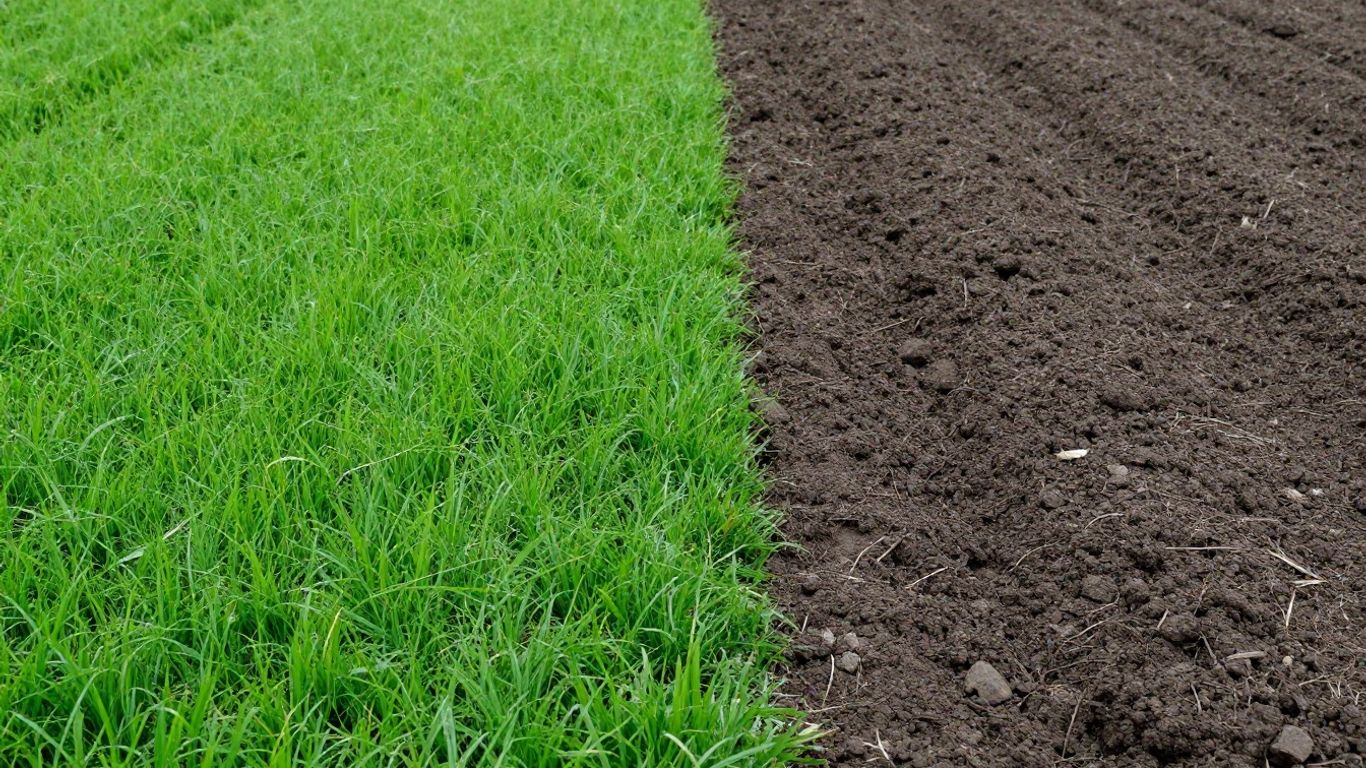
Okay, so you’ve got that heavy clay soil, and you’re thinking about getting sod. Sometimes, it is definitely the way to go, especially if you’re looking for that instant lawn gratification. Clay soil can be a real pain because it doesn’t drain well and tends to get really hard when it’s dry, making it tough for grass roots to get going. Plus, it can get waterlogged easily, which isn’t great for the grass.
If you need a beautiful lawn now, sod is your best bet. It gives you that lush, green carpet appearance right away, bypassing the whole waiting game that comes with grass seed. For clay soil, this means you get a mature root system already in place, which can help break up that dense soil over time. It’s like giving your lawn a head start.
Here’s why it shines when dealing with clay:
- Instant Results: You get a finished lawn the same day it’s installed. No waiting weeks for germination and growth.
- Weed Suppression: Established sod is dense, making it harder for weeds to pop up and compete with your new grass.
- Erosion Control: The thick mat of roots in sod helps hold the soil together, which is a big plus on slopes or areas prone to washing away, especially with clay’s poor drainage.
- Better for Tough Spots: If you have areas that are hard to get seed to germinate in, like heavily compacted spots or areas with poor light, it can often establish better.
While it offers immediate beauty, remember that the underlying clay soil still needs attention. Even with sod, improving drainage and aeration over time will help your lawn thrive long-term. Think of it as a great cosmetic fix that buys you time to work on the soil’s health.
Choosing it means you’re getting a pre-grown, established turf that’s ready to go. It’s a fantastic option if you’re impatient or have an event coming up. For clay soil, it’s a way to get a good-looking lawn quickly, even if you plan to amend the soil further down the road. You can find great options for professional sod installation in Ottawa if you’re in that area.
When Grass Seed Is the Better Choice
Okay, so we’ve talked about sod, and it’s got its place, no doubt. But sometimes, going with grass seed is actually the smarter move, especially when you’re dealing with that tricky clay soil here in Canada. It often comes down to cost and control.
Think about it: grass seed is way more budget-friendly than sod. You can cover a much larger area for a fraction of the price. Plus, you get to pick the exact grass varieties that will do best in your specific spot. You’re not stuck with whatever blend the sod farm decided to grow that season. This means you can choose tough, drought-tolerant fescues or quick-growing ryegrasses that are known to handle less-than-ideal soil conditions better.
Here’s a quick rundown of why seeding might win out:
- Cost Savings: Significantly cheaper per square foot compared to sod. This leaves more budget for soil amendments, which are key for clay.
- Variety Selection: You can choose grass types specifically suited for clay soil and your local Canadian climate.
- Deeper Rooting: When seeds germinate in place, they tend to develop stronger, deeper root systems that can penetrate clay better over time.
- Less Transplant Shock: Seedlings grow directly in your soil, avoiding the stress that sod can experience when its root system is disrupted.
While sod gives you an instant lawn, it’s like buying a pre-made meal. Seeding is more like cooking from scratch. It takes more effort and patience, but you have more control over the ingredients and the final result. For clay soil, that control can make all the difference in establishing a healthy, long-lasting lawn.
Indeed, seeding takes longer to establish a full lawn, and you have to be extra careful with watering and protection in those early stages. But if you’re patient and willing to put in a little extra work, especially on improving that clay base beforehand, a seeded lawn can be incredibly rewarding and resilient.
How to Improve Clay Soil Before Installing Sod or Seed
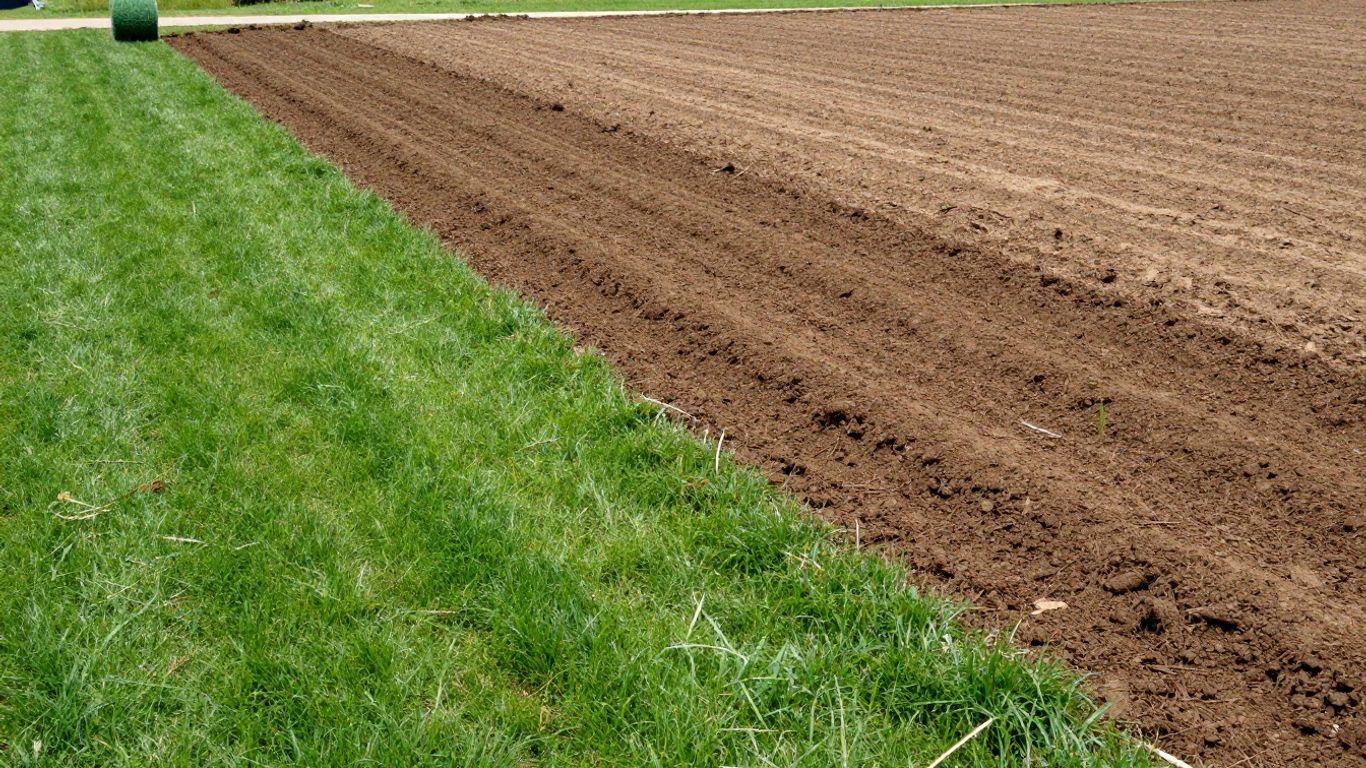
Alright, so you’ve got that heavy clay soil, and you’re thinking about putting down some new sod or maybe trying your luck with grass seed. Before you do either, we really need to talk about getting that soil ready. Clay soil in Canada can be a real pain because it gets super hard when it’s dry and turns into a sticky mess when it’s wet. Plus, it doesn’t let water or air move through it very well, which is bad news for the grass roots.
First things first, you gotta break up that compaction. If the soil is really packed down, the roots won’t be able to spread out. You can do this by loosening the top 4 to 6 inches. A rototiller works well for this, especially if the area has been walked on a lot or if it’s just naturally dense clay. This step is super important for letting roots grow deep and strong.
Next up, adding some good stuff to the soil. You’ll want to mix in about 4 to 6 inches of quality topsoil. This gives your new grass a better place to grow and adds nutrients. Depending on what your soil needs, you might also want to add things like compost to boost organic matter and fertility, or even some sand to help with drainage. Gypsum can also be a good option for breaking up tough clay.
Think of soil preparation like building a house. You wouldn’t just throw up walls on bare dirt, right? You need a solid foundation. The same goes for your lawn. Getting the soil right from the start means your grass will have a much better chance of thriving, saving you headaches down the road.
After you’ve mixed everything in, rake the area smooth. Make sure it’s level, but also create a slight slope away from your house or any buildings. This helps water run off instead of pooling up, which can cause all sorts of problems. Finally, give the soil a light watering about a day before you plan to lay sod or spread seed. You want it moist, not soggy. This gives the grass a good start right from the get-go.
Sod Installation vs Seeding: Which Is Best for Canadian Lawns?
So, you’re staring down the barrel of a new lawn project in Canada, and the big question is whether to go with sod or grass seed, especially with that tricky clay soil. It’s a common dilemma, and honestly, there’s no single ‘right’ answer that fits everyone. Both have their own set of pros and cons, and what works best really depends on your specific situation, budget, and how quickly you want that green carpet.
When we talk about sod vs grass seed Canada, it often comes down to instant gratification versus a more gradual, potentially more integrated result. Sod gives you that immediate, mature lawn look. You lay down the rolls, water them, and boom – instant lawn. This is super appealing if you’re hosting an event soon or just can’t stand looking at bare soil for another minute. However, this speed comes at a price. The initial sod vs seed lawn cost is significantly higher for sod because you’re buying a pre-grown product.
On the flip side, grass seeding is generally more budget-friendly upfront. You’re buying bags of seed, which are much cheaper than buying mature turf. The trade-off? Patience. You’ll be waiting weeks, sometimes months, for the seeds to germinate and establish into a lawn. Plus, there’s the added challenge of protecting those delicate seedlings from pests, weather, and foot traffic. For clay soil, this can be even more of a gamble, as poor drainage can wash away seeds or create conditions where they struggle to take root.
Here’s a quick rundown:
- Sod: Instant results, higher upfront cost, less control over grass type, can struggle to root deeply if not watered properly.
- Seed: Lower upfront cost, requires patience and careful maintenance, more control over grass variety, and can integrate better with existing soil over time.
For Canadian clay soils, the success of either method hinges heavily on soil preparation. Without addressing compaction and drainage issues, even the best sod can struggle, and seeds might just wash away.
Ultimately, the choice between both for your Canadian lawn isn’t just about the initial installation. It’s about long-term health, maintenance, and how well the grass will adapt to your specific soil and climate. If you’re looking for a quick fix and have the budget, sod might be your go-to. If you’re willing to invest time and effort for a potentially more resilient and cost-effective lawn, seeding could be the way to go. Remember, preparing your clay soil is key, no matter which path you choose.
Professional Sod Installation
Professional sod installation means giving your lawn its best possible start, especially when you’re dealing with troublesome clay soil. It’s not just about rolling out fresh green sod—a lot is going on behind the scenes that makes the difference between a thriving lawn and grass that struggles.
Hiring a reputable local company can save you hours of frustration and guesswork. Canada has unique weather swings, and clay-heavy yards need a little more TLC than average. Here’s what you can expect if you go the professional route:
- Detailed site assessment and soil testing to check for pH imbalances and nutrient shortfalls
- Proper removal of old grass, weeds, and debris (no shortcuts)
- Addition of organic matter, sand, or gypsum to break up heavy clay and improve drainage
- Installation of 4–6 inches of screened topsoil in Ottawa—this is crucial for root growth
- Precise grading to ensure water flows away from your foundation
- Careful rolling and light compaction to create a firm, healthy base
- Timely laying of sod, followed by a watering and care regimen designed to lock in strong roots
Good sod installers know clay isn’t easy, and they’re not afraid to roll up their sleeves and get the prep work perfect. That one extra day prepping the soil can mean years of lush grass.
Even if you’re handy, the rental costs for equipment, plus the learning curve of proper soil correction, often make professional sod installation a better deal in the long run. It’s about results—roots that reach deep, drains that actually work, and a lawn that’s green from one April to the next.
Conclusion
Alright, so we’ve talked a lot about sod versus seed, especially when you’ve got that tough clay soil here in Canada. Honestly, it really does come down to what you’re looking for and how much work you’re willing to put in upfront. If you want that instant green carpet and don’t mind the extra cost and careful watering, sod can be a good choice, but you really need to prep that clay soil first. Loosening it up and adding some good stuff like compost or sand is a must, so the roots can actually grow. On the other hand, seeding, while it takes more patience, can actually lead to a lawn that’s tougher and better suited to your specific clay soil over time, especially if you pick the right grass types. It might not look perfect right away, but with a little care and the right soil prep, a seeded lawn can really thrive and become a long-lasting part of your yard. No matter which route you go, remember that understanding and improving your soil is the biggest key to success.
Frequently Asked Questions
Is sod or grass seed better for clay soil in Canada?
It depends on your needs and how much work you want to do. Sod gives you a green lawn right away, but it can have trouble rooting in clay soil unless the soil is well-prepared. Grass seed takes longer to grow, but it can create a stronger root system in the long run if you improve the soil first.
Why is clay soil hard for grass to grow in?
Clay soil holds a lot of water and gets packed down easily. This makes it hard for the grass roots to get air and for seeds to sprout. Grass can grow in clay, but you usually need to loosen the soil and add things like sand or compost to help it drain better.
How can I get sod to grow well on clay soil?
Before laying sod, break up the clay soil with a tiller and mix in sand or compost. This helps the roots grow into the ground. Make sure the area is level and drains well. Water the sod often for the first couple of weeks to help it settle in.
Is it cheaper to use grass seed or sod?
Grass seed is usually much cheaper than sod. Sod costs more because it is already grown and just needs to be rolled out. However, sod gives you a lawn right away, while grass seed can take weeks or even months to fill in.
How long does it take for grass seed to grow in clay soil?
Grass seed can start to sprout in about 1 to 3 weeks, but it may take a few months before the lawn is thick and ready to use. In clay soil, it might take longer if you don’t prepare the soil first.
Should I test my soil before planting sod or seed?
Yes, testing your soil is a good idea. A soil test tells you if you need to add anything, like lime for pH balance or compost for nutrients. Knowing your soil’s needs can help your new lawn grow strong and healthy.