
Expert Retaining Wall Installation in Ottawa
A sloped yard doesn’t have to be a wasted one – as an Ottawa landscaping company with hardscape experience, we see this all the time. Bennett Lawn & Landscape builds retaining walls across Ottawa that hold back grade, stop erosion, and turn awkward slopes into usable space.
Why Retaining Walls Are Essential for Ottawa Properties
Sloped lots are common across Ottawa’s older and newer subdivisions alike, and unmanaged slopes often get worse over time. Soil erodes with every heavy rain; mulch and topsoil wash downhill, and any grass on the slope becomes nearly impossible to mow safely – a common driver behind the landscape drainage Ottawa property owners request. A properly engineered retaining wall stops that erosion and creates flat, usable terraces where there used to be a hard-to-manage grade.
There’s a structural side too. Retaining walls near an interlock driveway that Ottawa homeowners have installed at the foundation or property line manage soil pressure that would otherwise shift over time, especially through Ottawa’s freeze-thaw winters, when saturated soil expands and contracts.
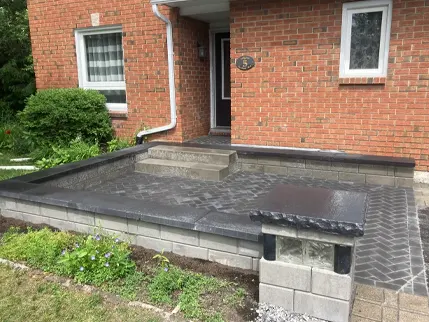
Our Retaining Wall Services in Ottawa
Retaining Wall Design & Planning
We assess your slope, soil, and drainage before recommending wall height, material, and layout suited to the actual grade change.
Retaining Wall Installation Ottawa
Full retaining wall installation with proper base preparation, drainage behind the wall, and correct backfill to handle Ottawa’s freeze-thaw cycle.
Stone & Block Retaining Walls
Interlocking block systems Ottawa properties use and natural armour stone options, chosen to match your home’s exterior and the scale of the slope.
Retaining Wall Repair & Restoration
Leaning, bulging, or heaved retaining walls rebuilt properly, usually because the original wall lacked drainage or a proper base.
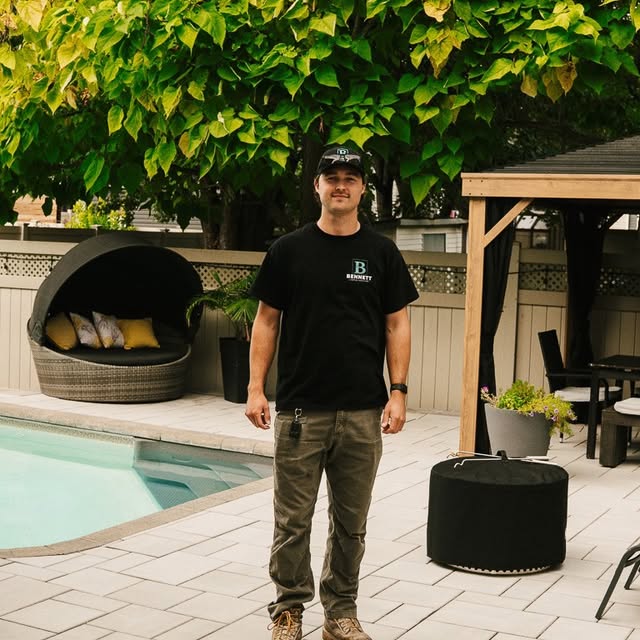
Why Choose Bennett Lawn & Landscape as Your Retaining Wall Contractors in Ottawa
When you’re comparing retaining wall contractors in Ottawa, ask about base depth and drainage before you ask about stone colour. Those two details decide whether the wall is still standing straight in ten years – it’s the standard we hold every project to at Bennett Lawn & Landscape.
Trusted & Verified Landscaping Professionals




WHAT OUR CLIENTS SAY




Get Your Free Retaining Wall Quote in Ottawa Today
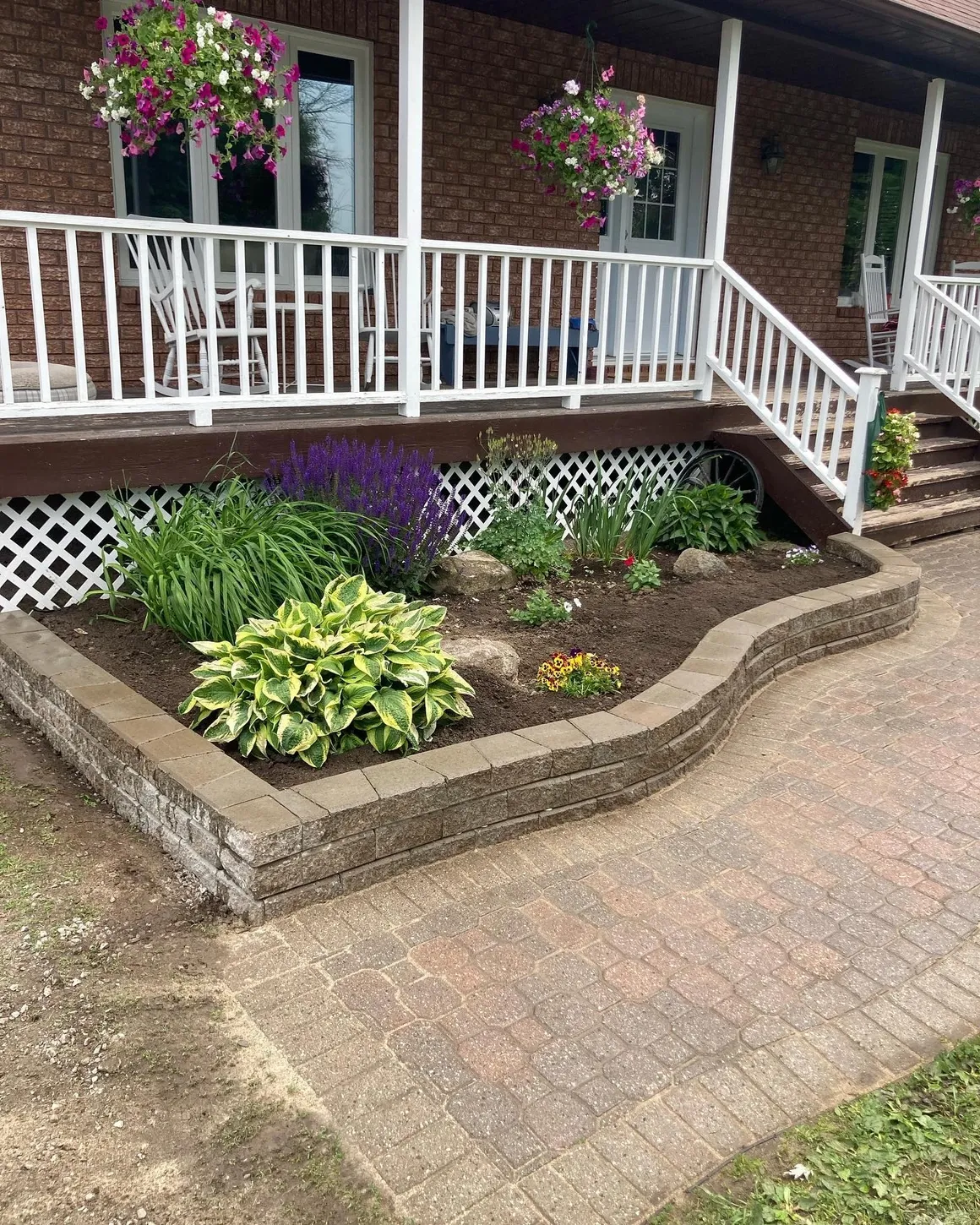
Frequently Asked Questions
What materials do you use for retaining wall installation in Ottawa?
How long does a retaining wall installation take?
A few days to a week is the typical range for residential jobs. Wall length and height matter, but so do the excavation and drainage work the site requires.
How much does a retaining wall cost in Ottawa?
There’s no single number. Height, length, material, and site access all affect the price. Our Price Guide walks through the general factors, and once we’ve seen your property, we’ll give you exact figures.
Do retaining walls require permits in Ottawa?
Often, yes. Once a wall passes a certain height, Ottawa generally requires a permit for it. We’ll flag whether that applies to your project during the quote visit and walk you through what’s needed.
How do retaining walls prevent soil erosion?
A retaining wall holds soil in place on a slope so it doesn’t erode during rainfall, which in turn opens up the terraced ground behind it for planting or grading.
How long do retaining walls last in Ottawa's climate?
A properly built retaining wall, with a compacted base and drainage behind it, can last decades even through repeated freeze-thaw cycles. Most failures we see come from walls that skipped that base and drainage work in the first place.