
Reliable Sod Installation Ottawa for a Healthy, Long-Lasting Lawn
Why Choose Sod Installation in Ottawa?
Seed can work, but it takes weeks to establish, and a lot can go wrong along the way: heavy rain washing it out, birds picking at it, kids and pets tracking through before it roots. Sod gives you a finished lawn in a single day, with a much more predictable result – one reason homeowners choose Bennett Lawn & Landscape for reliable results.
Certified & Experienced Team
Isaac Bennett personally leads every sod installation, and our crew handles the grading, laying, and rolling with the same attention on every property.
Proper Grading & Soil Preparation
We don’t lay sod over bad ground. We grade and prep the soil first, so your new lawn drains properly instead of pooling water.
Fast, Clean Installation
Most residential sod installations are completed in a day, with the site left clean and the sod rolled tight for solid root contact.
Ottawa Climate Knowledge
We know how Ottawa’s freeze-thaw winters and clay-heavy soil affect a new lawn, and we grade and prep with that in mind.

About Bennett Lawn & Landscape
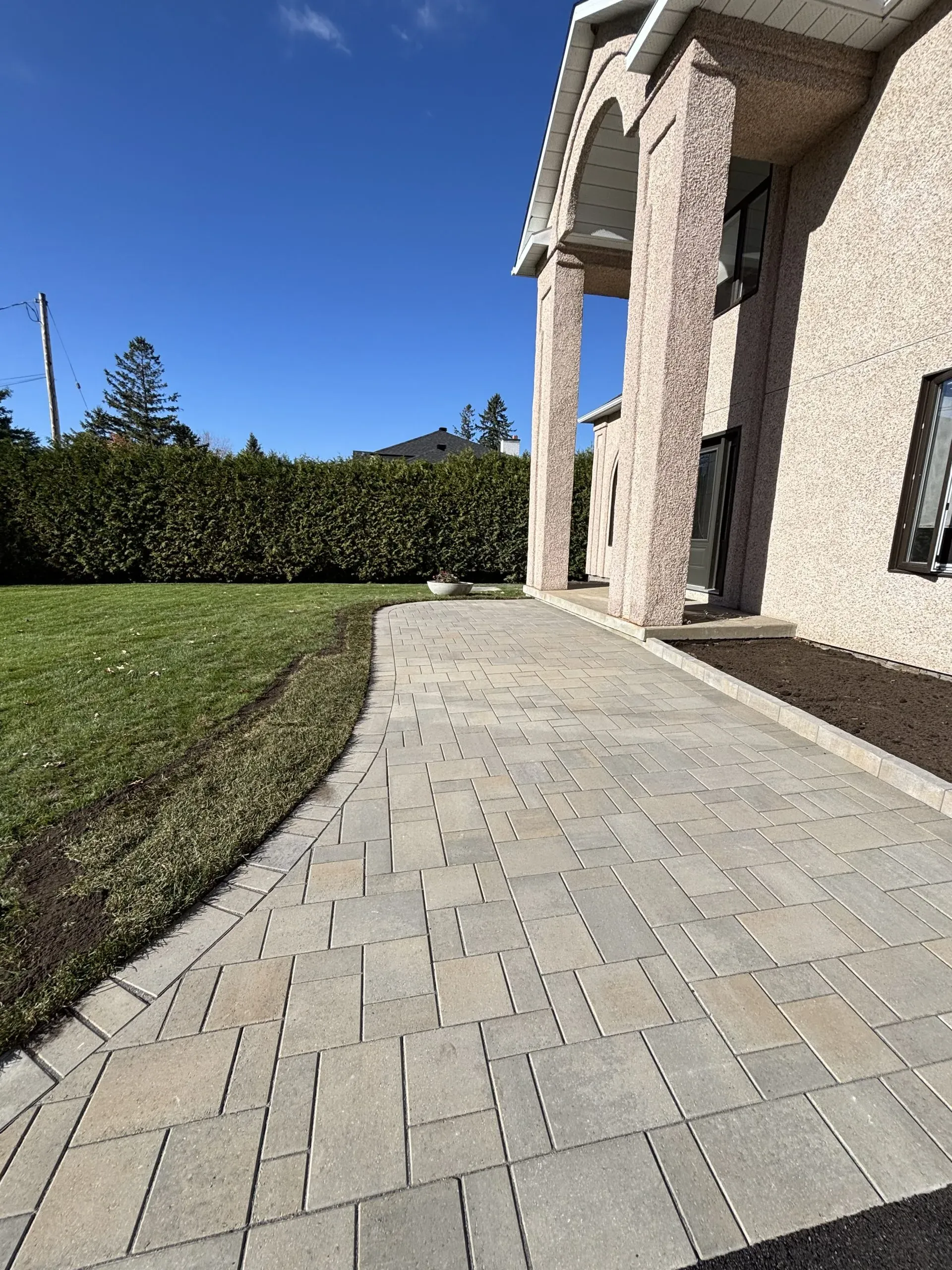
Bennett Lawn & Landscape is a residential landscaping company based in Stittsville, serving homeowners across Ottawa and the surrounding communities we serve. Isaac Bennett leads every project, from small lawn repairs to full sod installation and sodding jobs on larger properties, backed by Landscape Ontario membership and WSIB coverage.
Our Sod Installation Process in Ottawa
Free On-Site Assessment
We don’t quote a job without seeing the site. Someone walks your property first, assessing sun exposure, drainage flow, and exact measurements before any number goes on paper.
Soil Testing & Preparation
The first step is clearing out the old grass and any debris left behind. From there, we work amendments into spots where the soil is compacted or thin, giving new roots ground to grow into.
Grading for Proper Drainage
Proper landscape drainage that Ottawa homeowners rely on sends water away from the foundation rather than letting it sit and pool in low areas after the new sod is laid.
Sod Selection & Delivery
We source fresh-cut sod that suits Ottawa’s growing conditions and time delivery so it’s installed the same day it comes off the field.
Professional Sod Installation
We lay rolls tight with staggered seams, then roll them to press roots into firm contact with the soil below.
First Watering & Aftercare Guide
We water the new sod on installation day and walk you through a watering schedule for the first two to three weeks.
When Do You Need Sod Replacement Ottawa
Sod replacement usually follows a hard winter, a landscape renovation Ottawa homeowners undertake after construction, or a lawn that’s been neglected for a few seasons. Whatever the cause, our crew assesses the whole yard before recommending a full replacement instead of a patch job, so you don’t pay for more sodding than your property actually needs.
Sod Installation Cost Ottawa – What Affects the Price?
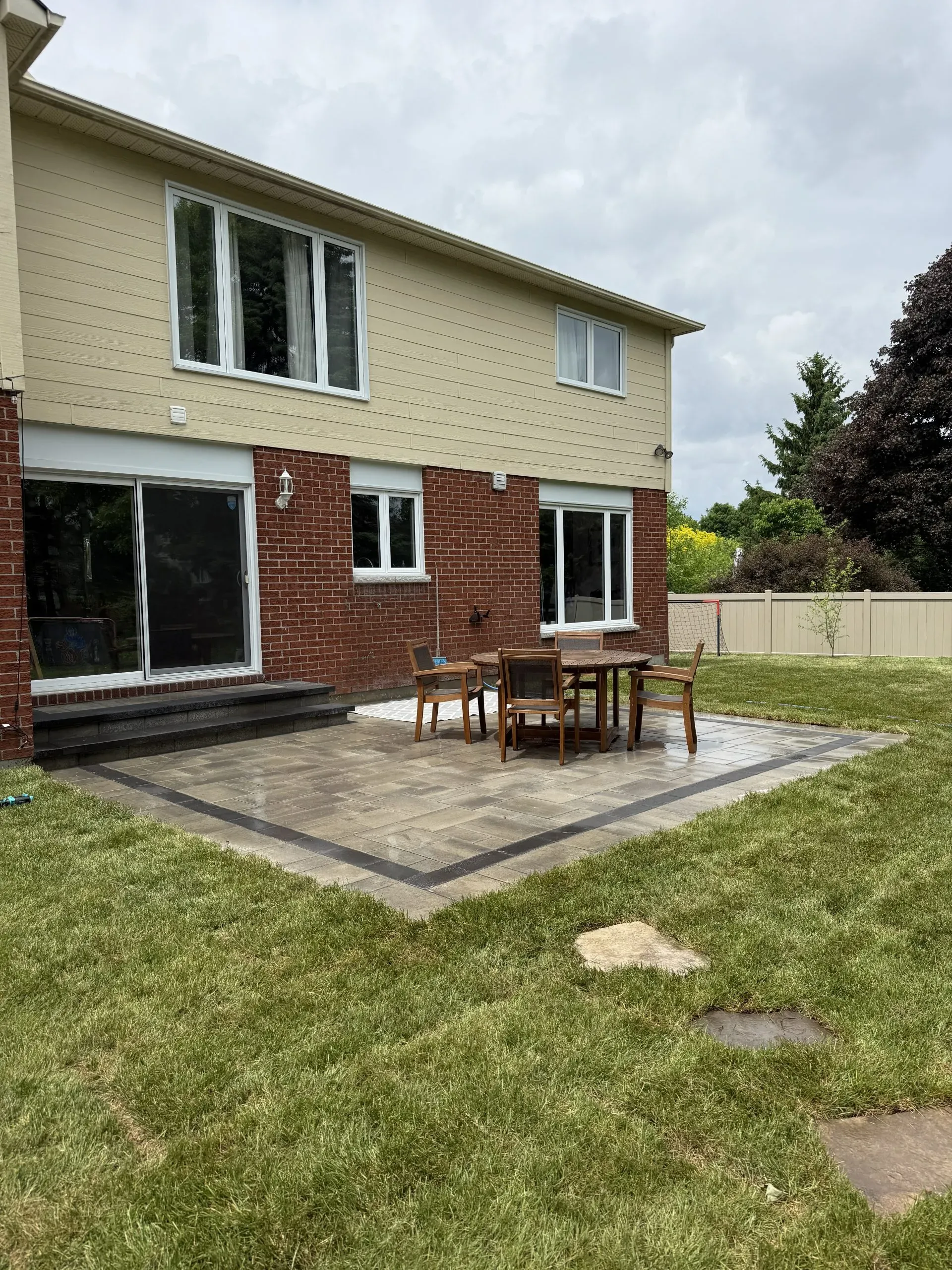
Sod installation cost in Ottawa depends on the size of the area, how much grading and soil prep the site needs, and site access for delivery. A flat, easy-access yard costs less to sod than a sloped property that needs regrading first. For a full breakdown of how we price sod installation and sodding projects, check our Price Guide and Cost Estimates, then request a quote for numbers specific to your property.
Trusted & Verified Landscaping Professionals




WHAT OUR CLIENTS SAY




Request Your Free Sod Installation Quote in Ottawa
Frequently Asked Questions
What is sod and why is it a good option for lawns in Ottawa?
How long does new sod take to root and establish?
When is the best time to install sod in Ottawa?
How should I water new sod after installation?
Water it every day for the first one to two weeks. That part isn’t optional. After that, you can start easing off as the root system takes hold. We’ll map out a watering schedule tailored to your yard and the exact date your sod goes down.