

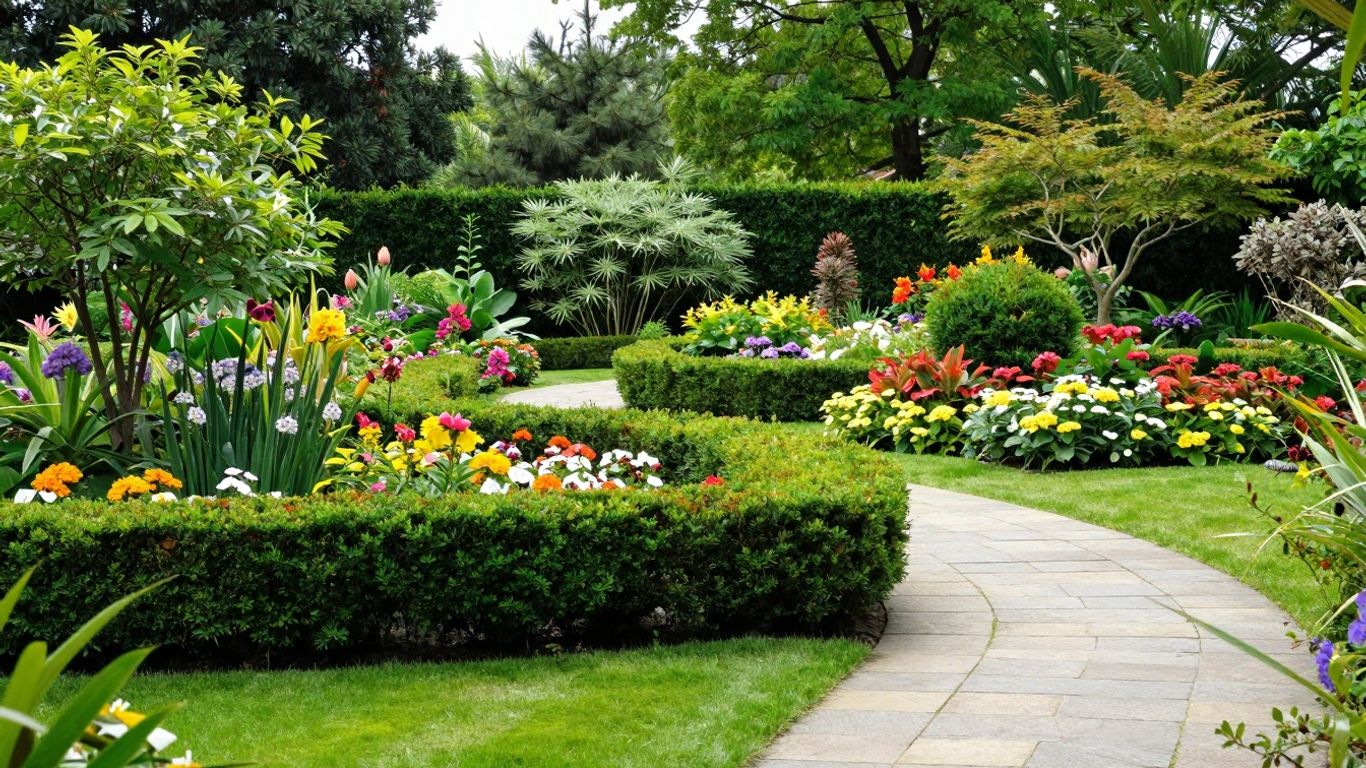
Thinking about sprucing up your yard? It’s easy to get overwhelmed because, honestly, there isn’t just one way to design an outdoor space. Your yard should feel like you, and that means picking a design style that fits your life and your home. Whether you’re exploring modern layouts, natural gardens, or functional outdoor living spaces, professional landscape design Ottawa services can help bring your vision to life. We’re going to look at some different types of landscape design so you can figure out what works best for your place.
Introduction: Why Landscape Design Is Not One-Size-Fits-All
Thinking about your yard? It’s easy to assume that design is pretty straightforward, right? You pick some plants, maybe add a path, and call it a day. But honestly, it’s way more involved than that. Your outdoor space is as unique as you are, and so should its design. What works for your neighbor might be a total flop for your lifestyle or the specific conditions of your property.
There are so many different ways to approach designing your yard. Some people love the neat, tidy look of formal gardens, while others prefer a more wild, natural feel. Then you have folks who are all about sleek, modern lines, or those who want something that feels familiar and traditional. And let’s not forget about a landscape design technique that benefits the environment – sustainable design. It’s a whole world of possibilities!
The trick is figuring out which style actually fits you. It’s not just about looks; it’s about how you want to use the space, how much time you have for upkeep, and even the architecture of your house. Getting this right means you end up with a yard you’ll actually love spending time in, not one that feels like a chore.
Here are a few things that really shape what kind of design will work best:
- Your Lifestyle: Are you a big entertainer, or do you prefer quiet evenings alone? Do you have kids or pets who need room to run?
- Maintenance Habits: Are you someone who enjoys spending weekends gardening, or do you prefer something low-fuss?
- Home Architecture: The style of your house often gives clues about what kind of garden will look like it belongs.
- Climate and Site: What grows well in your area? Are there existing features like mature trees or slopes to work with?
Understanding these points is the first step toward creating an outdoor area that feels just right. It’s about making smart choices that lead to a beautiful and functional space.
Understanding the Different Types of Landscape Design
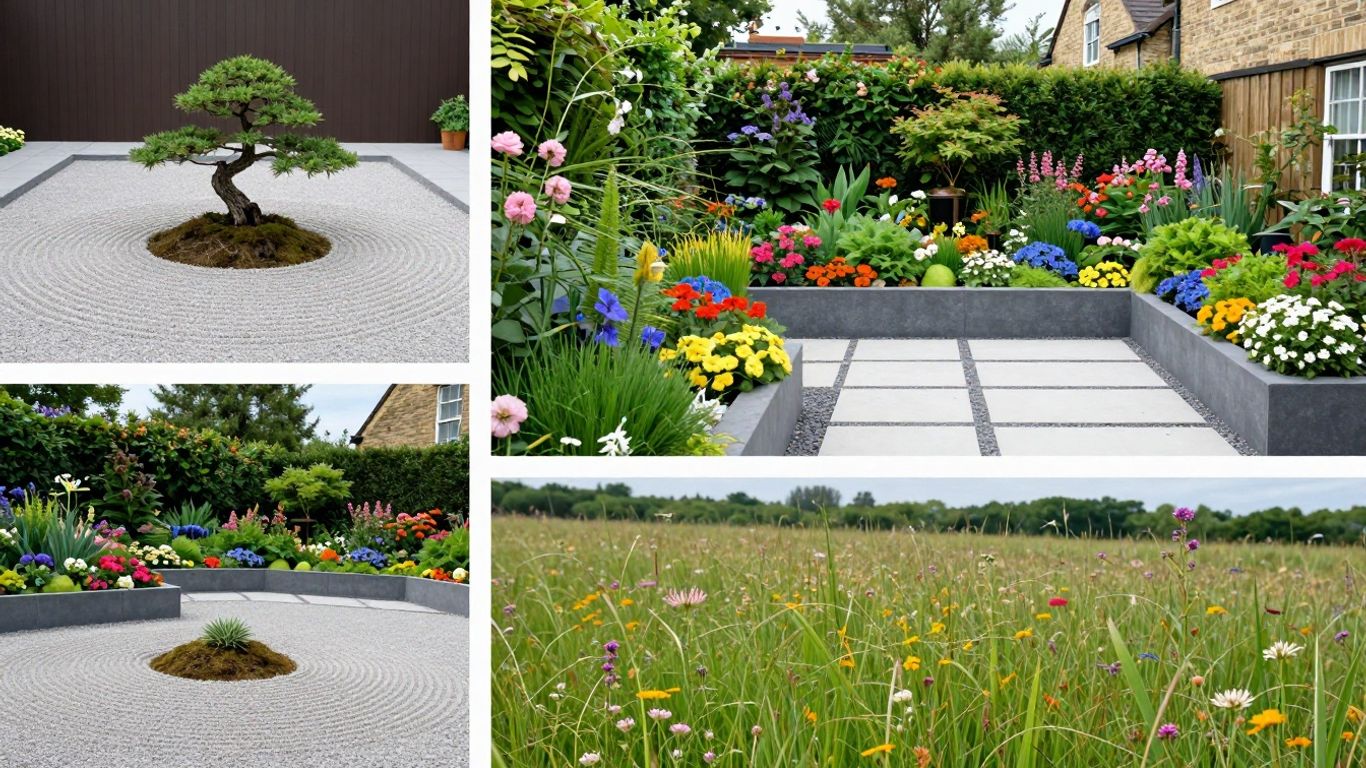
When you’re thinking about your yard, it’s easy to get overwhelmed by all the possibilities. But just like picking out furniture for your living room, your outdoor space can have a style too! There are so many different types of landscape design, and knowing them can really help you figure out what you like. It’s not just about pretty plants; it’s about creating a whole vibe.
Formal Design: Structured and Timeless
If you like things neat and orderly, formal design might be your jam. Think symmetry, straight lines, and everything in its place. It’s all about balance and often has a central focal point. You’ll see lots of neatly trimmed hedges and geometric shapes. It gives off a very classic, put-together feel.
- Symmetry and balance are key.
- Defined lines in beds and pathways.
- Manicured plants, often shaped.
- Limited color palette, often focusing on greens and whites.
This style works well if you appreciate a sense of order and control in your surroundings. It’s a look that doesn’t go out of style.
Informal Design: Natural and Relaxed
On the flip side, informal design is all about a more relaxed, natural look. It uses curved lines and plants grouped together in a way that feels organic and easy-going. It’s not messy, but it’s definitely not rigid. It feels more like a natural meadow or a cozy garden nook.
- Curved lines and flowing shapes.
- Irregular groupings of plants.
- A casual, harmonious feel.
- Mixes textures and heights for visual interest.
Contemporary Design: Modern & Minimal
Contemporary design is all about clean lines, simple forms, and a minimalist approach. It often uses natural materials like wood and stone, but in a very sleek way. It’s modern without being cold, focusing on functionality and a sophisticated look. Think uncluttered spaces and a focus on form.
- Clean, straight lines.
- Simple geometric shapes.
- Use of materials like concrete, metal, wood, and stone.
- Minimal ornamentation.
Traditional Design: Classic and Familiar
Traditional design often draws inspiration from historical styles, creating a sense of familiarity and comfort. It’s about classic layouts and plant choices that have stood the test of time. It feels established and welcoming, often incorporating elements that are timeless and well-loved. This style can be quite adaptable, blending well with many home architectures.
Sustainable Design: Eco-Friendly and Future-Focused
This type of landscape design is all about working with nature. It focuses on using resources wisely, conserving water, and supporting local ecosystems. You’ll see native plants, permeable surfaces, and features that help manage rainwater. It’s a practical and responsible choice for the planet.
- Use of native plants.
- Water conservation techniques.
- Reducing waste and using recycled materials.
- Supporting local wildlife.
Functional Design: Beauty Meets Practicality
Functional design is exactly what it sounds like: making sure your landscape works for you. It’s about creating spaces that serve a purpose, whether it’s for entertaining, playing, or just relaxing. This style integrates practical needs with aesthetic appeal, ensuring your yard is as useful as it is beautiful. It’s about smart combination hardscape and softscape elements that fit your lifestyle.
Understanding these different types of designs is the first step to creating an outdoor space you’ll love. There’s a huge variety in landscape design, so don’t be afraid to mix and match elements that appeal to you.
Key Factors to Consider When Choosing the Variety in Landscape Design
Picking the right design style isn’t just about what looks pretty; it’s about creating a space that works for you and your property. Think about your daily life. Do you need a safe spot for kids to run around, or are you more into quiet evenings on a patio? Your yard should match how you actually use your outdoor space.
Also, consider how much time you want to spend on upkeep. Some styles, like formal gardens with their neat hedges and precise lines, demand regular attention. Others, like a more relaxed, informal design, might be a bit more forgiving. It’s good to be realistic about your willingness to get your hands dirty.
Here are a few things to really think about:
- Your Home’s Architecture: The landscape should feel like an extension of your house. A modern home might clash with a very traditional garden, and vice versa. Look at your house – what vibe does it give off?
- Your Personal Style: What colors, textures, and overall feelings do you like? Do you prefer clean, simple looks or something more lush and layered?
- The Environment: What’s your climate like? What kind of plants naturally do well in your area? Choosing plants that are suited to your local conditions means less fuss and a healthier garden. You can find great plant textures that work well in many climates.
- Your Budget: Landscaping can get expensive fast. It’s smart to have a clear idea of what you can spend before you start. This helps prioritize what’s most important.
So, Which Style is Yours?
Alright, so we’ve talked about a bunch of different ways to design your yard, from super neat and tidy formal gardens to more relaxed, natural looks. It can feel like a lot to take in, right? But really, it’s all about figuring out what makes you happy when you step outside. When it comes to Ottawa landscaping, it’s important to think about your home, what you like to do in your yard, and how much time you want to spend on upkeep. Don’t stress too much if you can’t pick just one style. Most people end up mixing things a bit, and that’s totally fine! The main thing is to create a space that feels like you. If you’re still scratching your head, talking to a landscape designer can really help clear things up. Once you have a good idea of what you’re going for, you can start making your outdoor space something special that you and your family will love spending time in.
Frequently Asked Questions
How do I know which landscape style is best for my home?
Think about the kind of house you have. Does it look old-fashioned or super modern? Your yard’s style should match your house’s style. Also, consider what you like to do outside. Do you want a place for kids to play, or a quiet spot to read? Your yard should fit how you want to use it.
What’s the difference between formal and informal landscape design?
Formal design is all about order and straight lines, like perfectly trimmed bushes and neat flower beds. Informal design is more relaxed, with curves and plants that look like they grew naturally. It’s less about perfect symmetry and more about a natural, easy feel.
What is contemporary landscape design?
Contemporary design is modern and clean. It often uses simple shapes, natural materials like wood and stone, and has a ‘less is more’ kind of vibe. It’s stylish without being too fancy, and it feels very welcoming.
Is sustainable design good for the environment?
Yes! Sustainable design focuses on being eco-friendly. This means using plants that don’t need a lot of water, choosing materials that are good for the earth, and creating a garden that works with nature, not against it. It’s a smart choice for the planet.
What if I like more than one landscape style?
That’s totally fine! Many people mix and match styles to create something unique. You might like the clean lines of modern design but also love the colorful flowers of a cottage garden. A landscape designer can help you blend different ideas so your yard looks amazing and feels just right for you.
How much work is involved in maintaining different landscape styles?
Maintenance needs vary a lot. Formal gardens often need regular trimming and perfect lawns, which takes time. Informal and naturalized gardens might need less fussing, especially if you use plants that grow well in your area. Think about how much time you want to spend gardening when you pick a style.
