
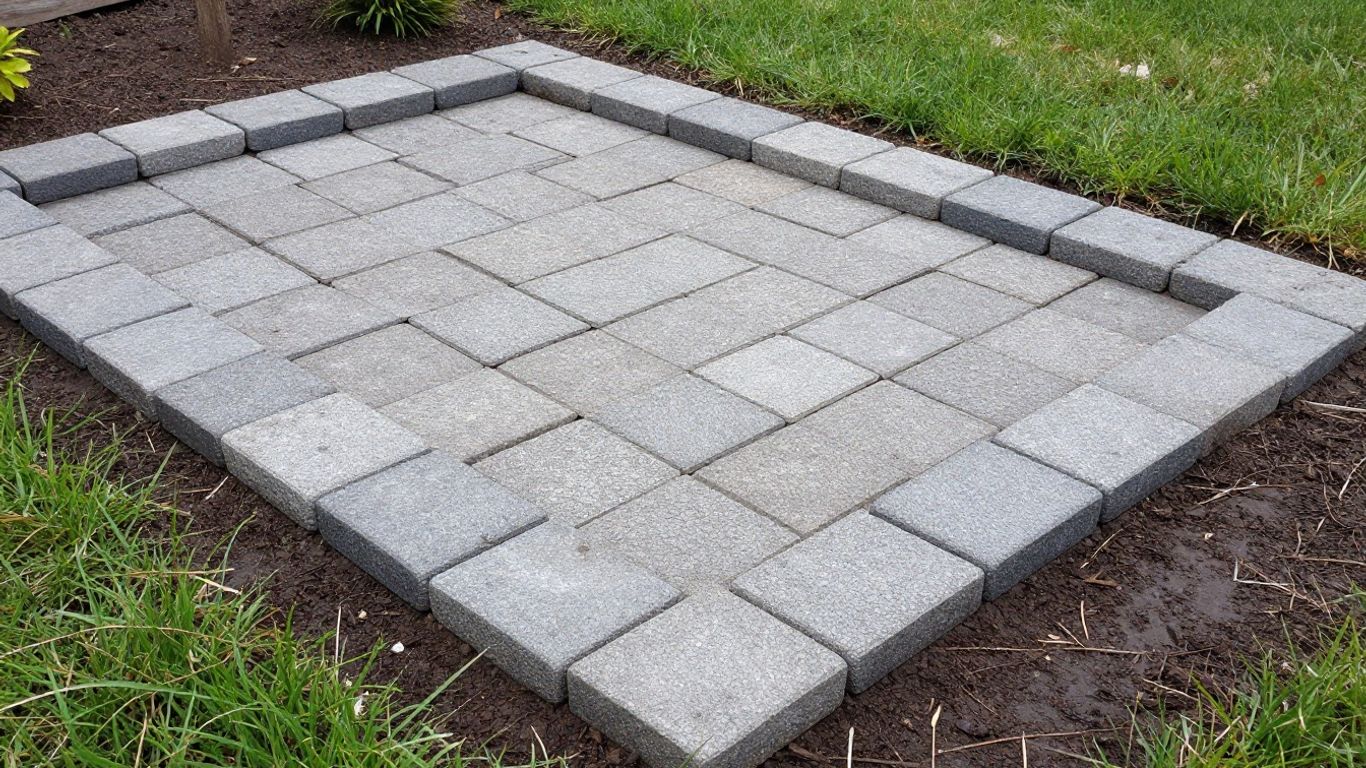
Choosing the right interlock pattern for Ottawa backyards isn’t just a design decision — it’s a structural one. Ottawa’s clay soil expands, contracts, and shifts with every freeze-thaw cycle, and the wrong pattern choice will show it within a season or two. At Bennett Lawn & Landscape, we’ve repaired enough failed interlock jobs across Ottawa, Manotick, Richmond, Nepean, Carleton Place, Kanata, Barrhaven, Stittsville, and Osgoode to know exactly what goes wrong — and how to get it right from the start.
Why Clay Soil Makes Interlock Pattern Selection Critical in Ottawa
How Ottawa’s Clay Soil Moves With Freeze-Thaw Cycles
The soil here is famously clay-heavy. Now, clay itself isn’t the enemy, but it does have a mind of its own, especially when the seasons change. Think about it: in the summer, it can get pretty hard and dense. Then winter hits, and water gets into those tiny spaces. When that water freezes, it expands. This expansion pushes everything around it – including your carefully laid interlock stones – upwards and outwards. Come spring, when the ice melts, the ground settles back down, often unevenly. This constant push and pull, year after year, is what we call the freeze-thaw cycle. It’s a relentless force that can really mess with your patio or walkway if it’s not built to handle it.
Why the Wrong Pattern Leads to Cracking, Shifting, and Callbacks
Choosing the wrong interlock pattern for our local clay soil is like trying to build a house on a wobbly foundation. It’s just asking for trouble down the road. A pattern that looks great on paper might not have the structural integrity needed to withstand the ground’s movement. When the soil shifts, stones can start to loosen, creating little dips and bumps. Over time, these small issues can turn into bigger problems. You might see pavers tilting, edges crumbling, or even full-blown cracks appearing. This not only ruins the look of your backyard but can also become a tripping hazard. For homeowners, it means costly repairs and a lot of frustration. For installers, it means dealing with unhappy clients and callbacks, which nobody wants.
The key is to work with the soil, not against it. Understanding how local clay behaves is the first step to picking a pattern that will last.
Here’s a quick look at what can go wrong:
- Uneven Settling: The ground doesn’t settle back uniformly after the thaw, leaving some stones higher than others.
- Paver Loosening: Constant movement can break the bond between the sand and the pavers, causing them to shift.
- Cracking and Chipping: The pressure from the expanding soil can directly cause the pavers themselves to crack or chip.
- Weed Growth: Gaps created by shifting stones become prime real estate for weeds, making the area look messy.
The Foundation Matters More Than the Pattern
This is the section most DIY guides skip. It’s also the reason Isaac Bennett‘s team gets called in to fix other contractors’ work.
Proper Excavation Depth for Ottawa Backyards (and Why 8–10 Inches Isn’t Optional)
Let’s not sugar-coat it—if you try to cut corners with your base, it won’t matter what interlock pattern you lay on top. Heavy clay soils just don’t play nice come winter. When installers say 8–10 inches, they’re not exaggerating. That depth means removing the soft topsoil and then digging even further to get to something stable. If you don’t, your pavers are pretty much guaranteed to heave, sink, or both—sometimes in the same season.
- Always excavate a minimum of 8 inches below the intended finished grade, more if you expect vehicle traffic.
- Remove every scrap of organic matter—roots, weeds, even packed-in grass.
- Watch out for “soft spots” that feel spongy underfoot. Dig these out or they’ll cause real headaches later.
| Application | Recommended Excavation Depth |
|---|---|
| Walkways/Patios | 8 inches |
| Driveways | 10–12 inches |
If you think your backyard pavers can “float” on compacted soil in our climate, you’re in for a bad surprise after your first deep freeze.
Granular Base, Drainage Slope, and Edge Restraint on Clay
Once the hole’s dug, it comes down to what you put back in. The base needs to do three things: stay stable, let water drain, and push back against the pavers moving around. That’s not just talk—each job matters here. Pack your granular A gravel in layers, checking for level and compacting each 2–4 inch lift till there’s no bounce. Clay soil won’t drain water on its own, so you need every trick you can grab.
Here’s what that looks like in practice:
- Base: Use crushed stone or gravel, not limestone screenings. It should drain, not clump.
- Slope: Build a 2% grade away from buildings. On a 10-foot patio, that’s a drop of about 2.5 inches end to end.
- Edge Restraint: These plastic or concrete strips keep the first and last rows pinned in place, fighting the push-pull of dirt and ice.
Some folks use geotextile fabric between clay and gravel. In Ottawa, that’s more of a “case-by-case” call. It can help keep clay from mixing into your base, but using it everywhere isn’t always best. Only go for it if you know you have wet, unstable clay and won’t trap water right under your stones.
- Layer a high-permeability geotextile fabric if your clay stays soupy all year.
- Keep all water moving out—no water sitting under your project, ever.
- Edges need concrete or proper restraints, not just stacked bricks — they’ll wander otherwise.
The bottom line: If you start with shaky ground, even the fanciest interlock pattern will end up uneven and crooked before spring. Don’t skip the grunt work, or you’ll just be paying twice.
Best Interlock Patterns for Clay Soil Conditions
When you’ve got that sticky clay soil underfoot, picking the right interlock pattern isn’t just about looks; it’s about making sure your patio or walkway actually lasts. The wrong choice can lead to a whole lot of headaches down the road, like pavers shifting or cracking when the ground freezes and thaws. We need patterns that can handle that movement.
Herringbone — The Gold Standard for Structural Stability
This is the pattern most pros will recommend for clay soil, and for good reason. The Herringbone pattern involves laying pavers at a 90-degree angle to each other, creating a zig-zag effect. This interlocking design is fantastic because it distributes weight evenly and locks the pavers together really tightly. It’s like a built-in support system that helps resist the forces of freeze-thaw cycles.
- Excellent stability: The way the pavers are angled against each other provides great resistance to lateral movement.
- Strong interlocking: Each paver is supported by multiple neighbours, making the whole surface very solid.
- Aesthetically pleasing: It looks sharp and classic, adding a nice touch to any backyard.
Running Bond — When It Works and When It Doesn’t
The Running Bond pattern, where pavers are laid in straight, offset rows (think of a brick wall), can work in some situations, but you need to be careful with clay soil. It’s simpler and often requires less cutting, which can be a plus. However, the straight lines can sometimes create a path for water to follow, and if the base isn’t absolutely perfect, the linear nature can make it more prone to shifting in a straight line.
- Best for: Smaller patios or walkways with a very well-prepared, stable base and excellent drainage.
- Use with caution: Avoid on driveways or areas with heavy foot traffic where the base might be compromised.
- Considerations: Ensure a robust edge restraint is in place to prevent the linear rows from pushing outwards.
Basketweave and Stacked Patterns — What to Avoid on Clay
Patterns like Basketweave (where pavers are laid in alternating directions to mimic a woven basket) and Stacked (simple, straight rows with no offset) are generally not the best choices for our local clay soil. These patterns, especially Stacked, can be more susceptible to movement because the pavers don’t lock into each other as effectively as in a Herringbone design. The straight lines in Stacked patterns can also be problematic, as mentioned with the Running Bond.
While these patterns might look simple or appealing at first glance, their structural integrity on challenging soil types like clay is often compromised. The lack of inherent interlocking strength means they rely almost entirely on the base preparation, and even then, they’re more likely to show signs of wear and tear from ground movement.
On Ottawa clay, these patterns are a risk not worth taking. If a contractor recommends them without addressing drainage and base depth first, that’s a red flag. The Herringbone pattern really shines here, offering that much-needed stability.
Pattern Scale, Paver Size, and Clay Soil — What Ottawa Homeowners Get Wrong
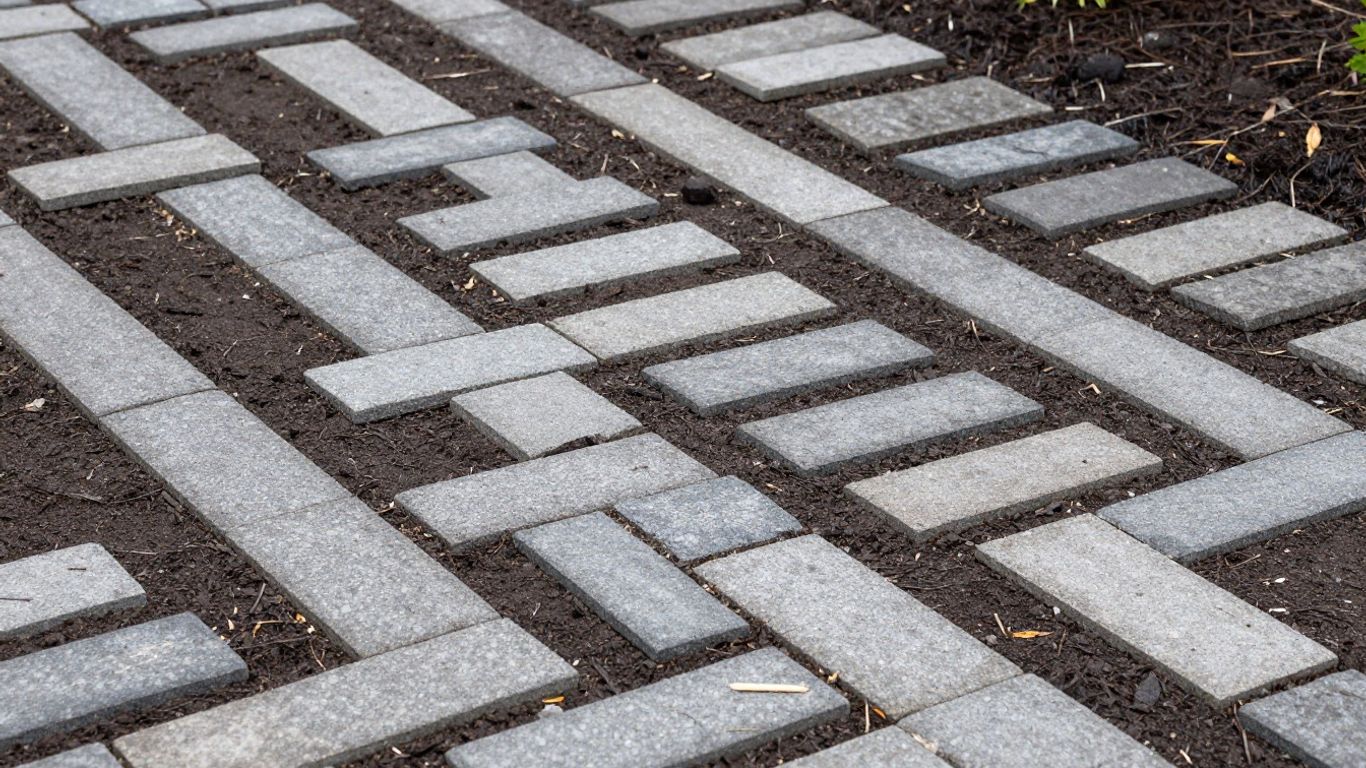
A lot of folks get this part mixed up when planning their interlock projects. They see a big, bold pattern in a magazine or online and think, ‘That’s the one!’ But when you’re dealing with local clay soil, the size of the pavers and how they fit together really matters. It’s not just about looks; it’s about making sure your patio or walkway can handle the freeze-thaw cycles without turning into a bumpy mess.
The biggest mistake is choosing large-format pavers without considering the underlying stability needed for clay. While they might look sleek, these big slabs can be more prone to cracking or shifting, especially if the base isn’t absolutely perfect. Think about it: a smaller paver, especially one with varied sizes, can interlock better, creating a more stable surface. This is key when the ground beneath is constantly expanding and contracting.
Here’s a quick rundown of what to watch out for:
- Paver Size: Smaller, more uniform sizes (like 6×6 or 4×8 inches) tend to work better. They allow for more joints, which gives the pattern more flexibility to move slightly without breaking. Avoid those massive 24×24 inch slabs for anything other than very specific, well-supported areas.
- Pattern Complexity: While intricate patterns can be beautiful, overly complex ones with lots of small, oddly shaped pieces can sometimes create weak points if not installed with extreme care. Simple, strong patterns are often best for longevity.
- Jointing Material: Using the right jointing sand is also important. While polymeric sand hardens, traditional sand allows for a bit more give, which can be beneficial in clay soil. It’s a trade-off between weed prevention and flexibility.
It’s easy to get caught up in the aesthetic, but remember that the structural integrity comes first, especially in our climate. A well-chosen pattern, paired with the right paver size, can make a huge difference in how long your interlock lasts.
When you’re looking at paver options, think about how the pieces will fit together. A pattern that allows for staggered joints and a good ‘lock’ between the pavers will naturally be more stable. This is especially true when you’re dealing with the challenges of clay soil we’ve covered above. It’s about creating a surface that can breathe and move a little with the seasons without falling apart.
For driveways, you’ll want pavers that are at least 80mm thick, and even then, a pattern that breaks up the surface into smaller, interlocking sections is preferable. Trying to lay large, heavy stones perfectly flat can be a real headache, and they’re more likely to crack under the weight of a vehicle over time. Mixed-size kits designed for stability are worth discussing with your installer based on your specific base conditions. This approach helps create a strong, cohesive surface that can handle the demands of our climat.
How to Choose a Pattern That Suits Your Backyard Layout
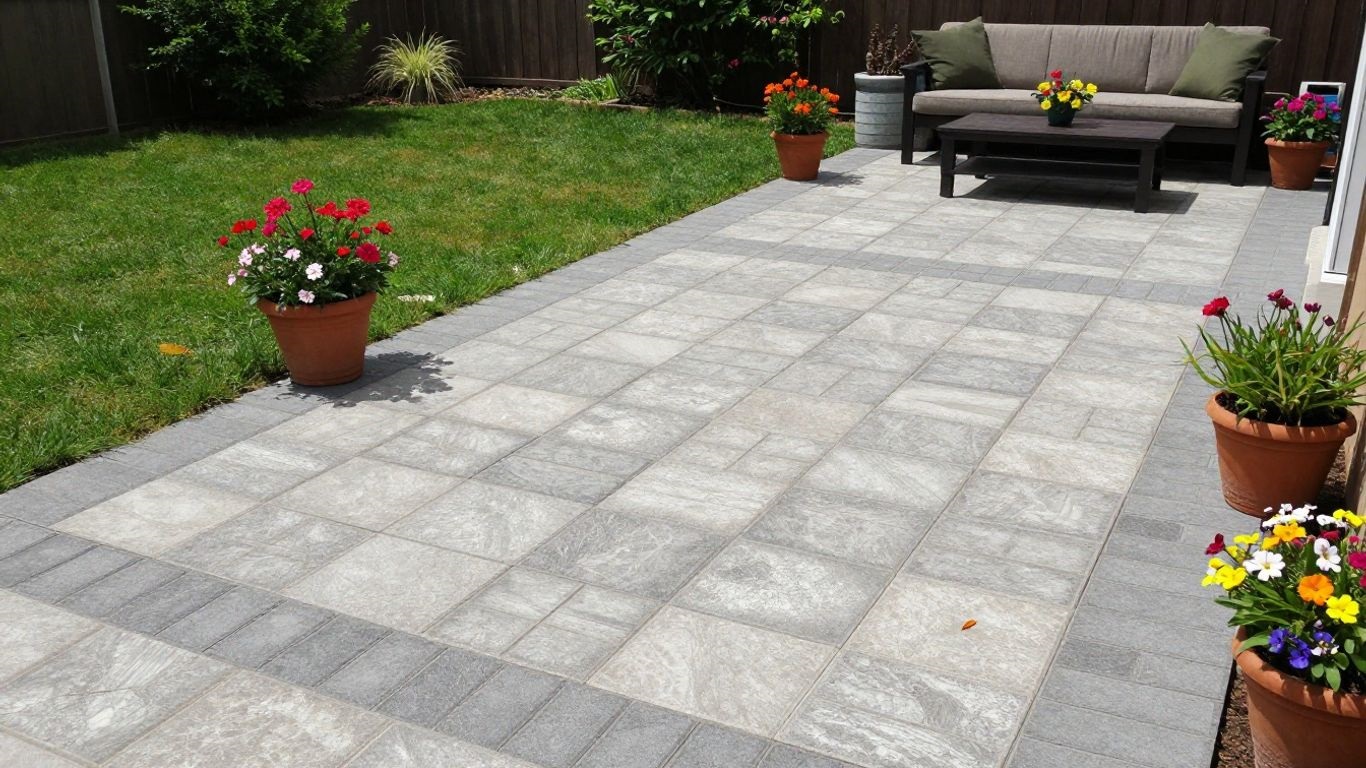
Picking the right interlock pattern isn’t just about looks; it’s about how your backyard actually functions. Think about the shape of your yard and how you use different areas. A long, narrow backyard might benefit from a pattern that draws the eye lengthwise, making it feel more expansive. Conversely, a wide-open space could handle more complex patterns without feeling cluttered.
Consider the main pathways you’ll be using. Are you walking straight from the back door to a patio, or are there winding routes to garden beds or a shed? For direct routes, a more linear pattern like a running bond can work well, guiding movement. If you have more of a meandering flow, a pattern that complements curves, or even stepping stones set within a looser fill, might be a better fit.
Here are a few things to keep in mind:
- Scale: A large backyard can handle larger pavers and more intricate patterns. Smaller spaces often look better with smaller pavers and simpler designs to avoid overwhelming the area.
- Flow: How do people move through your yard? Match the pattern to the natural lines of travel.
- Functionality: Will this area see heavy foot traffic, or is it more for decorative purposes? Some patterns are more durable and stable under pressure.
- Existing Features: Does your yard have a lot of straight lines (fences, decks) or more organic shapes (garden beds, trees)? Try to complement what’s already there.
Don’t forget to think about how the pattern will look from different vantage points, like from your kitchen window or deck. A pattern that looks great up close might not have the same impact from a distance, or vice versa. It’s all about creating a cohesive look that works with your entire outdoor space.
For instance, if you have a very formal garden with straight edges and geometric planting beds, a classic herringbone or a neat running bond pattern would likely look best. If your backyard is more of a relaxed, cottage-style space with curved flower beds and a less structured feel, a more organic pattern or even a mix of materials might be more appropriate. It’s about creating harmony between the Ottawa hardscaping and the softscaping.
Matching the Pattern to Your Patio Shape and Sight Lines
When you’re thinking about interlock patterns, don’t forget how the shape of your backyard and where you’ll be looking from actually play a big role. It’s not just about picking a pretty design; it’s about making the space feel right.
For a long, narrow backyard, a pattern that runs straight can make it feel even longer. Think about a running bond pattern laid lengthwise. It draws your eye down the yard, giving it a sense of depth. On the flip side, if you have a wide, open space, a pattern that breaks up the expanse, like a herringbone or a basketweave, can make it feel more dynamic and less like a big, flat surface.
Consider your main viewing points. If you’ll mostly see the patio from your kitchen window, how does the pattern look from there? A pattern that looks great up close might get lost or look chaotic from a distance.
Here’s a quick way to think about it:
- Rectangular or Square Patios: These work well with patterns that echo their shape, like a running bond or a simple stacked pattern. A herringbone can add a nice touch of complexity without overwhelming the space.
- Curved Patios: For patios with gentle curves, a more free-flowing pattern or even a random lay of different-sized pavers can complement the shape. Avoid overly rigid patterns that fight the natural flow.
- Irregularly Shaped Patios: These often benefit from patterns that can adapt, like a random pattern or a herringbone that can be cut and adapted to fit the edges.
The scale of your pavers also matters a lot in relation to the size of your patio and how you’ll view it. Small pavers on a huge patio can look busy, while large pavers on a tiny patio might feel out of place.
Think about sight lines. If you have a beautiful view at the end of your yard, you might want a pattern that leads the eye towards it. A simple, linear pattern can act like an arrow, guiding attention. If the patio is the main feature, a more intricate pattern can be the star.
Sometimes, the simplest patterns are the best for making a space feel larger or more cohesive. It’s all about how the lines of the pattern interact with the lines of your yard and your house.
Inlay Patterns and Borders — Adding Style Without Sacrificing Stability
Want to jazz up your interlock patio Ottawa or walkway without compromising its strength, especially on tricky local clay soil? Inlay patterns and borders are your best bet. Think of them as the decorative trim on a well-built house – they add visual appeal while also playing a role in the overall structure.
Using contrasting paver colours or shapes to create a distinct border around your main pattern isn’t just for looks; it actually helps lock everything in place. This is especially important on clay soil that likes to shift. A well-defined edge acts like a sturdy frame, preventing pavers from spreading outwards over time. This means fewer gaps, less weed growth, and a patio that stays looking sharp.
Inlay patterns involve creating smaller designs within the larger interlock area. This could be a simple circle, a star, or even a more intricate motif. When done right, these inlays add a unique touch without creating weak points. The key is ensuring the surrounding pattern and the inlay itself are installed with the same attention to base preparation and compaction.
Here’s a quick rundown of how borders and inlays contribute:
- Structural Support: Borders act as a retaining wall for your pavers, keeping them from moving outwards.
- Visual Definition: They clearly mark the edges of your patio or walkway, creating a clean finish.
- Design Flexibility: Inlays allow for personalization, turning a standard patio into a custom feature.
- Maintenance Reduction: A tight, well-defined edge means less sand loss and fewer weeds popping up.
When planning these decorative elements, always discuss them with your installer. They can advise on the best paver types and installation methods to ensure your stylish additions don’t become a structural headache down the road, especially considering the unique challenges of local clay soil.
Remember, while fancy patterns and borders look great, the real magic happens underneath. A solid, well-drained base is non-negotiable, no matter how beautiful the surface design is. Don’t let aesthetics overshadow the engineering required for longevity on clay soil.
Get Expert Interlock Installation in Ottawa Backyards
Ottawa’s clay soil doesn’t forgive shortcuts. A beautiful interlock pattern laid over a poor base will heave, shift, and crack within a season — and no amount of polymeric sand will fix it.
At Bennett Lawn & Landscape, every backyard interlock project starts with the base, not the surface. Isaac Bennett stays personally involved from site assessment through to final cleanup, so nothing gets skipped. We’ve built and repaired interlock across Ottawa, Barrhaven, Nepean, Kanata, Manotick, and beyond.
If you’re planning an interlock project in your Ottawa backyard and want it done right the first time, Get a free quote from Bennett Lawn & Landscape.
Frequently Asked Questions
How deep should I dig before installing interlock on clay soil?
In Ottawa, you should dig at least 8 to 10 inches deep for your interlock project. This helps keep the ground stable, especially because clay soil moves a lot when it freezes and thaws.
Which interlock pattern is best for clay soil?
The herringbone pattern is the best for clay soil. It locks the pavers together tightly, so they don’t move or shift as much when the ground changes.
Do I need a professional to install interlock in Ottawa?
It’s a good idea to hire a pro, especially here. The clay soil and weather make it tricky, and a professional will make sure the base, drainage, and pattern are all done right so your project lasts a long time. Bennett Lawn & Landscape specializes in interlock installation across Ottawa backyards — call 613-795-2017 or request a quote online.