
By Isaac Bennett | Updated June 2026
Interlock installation cost in Ontario isn’t one number – it’s the sum of five variables: your project size, the paver material you choose, what’s under your soil, how complex your design is, and whether anything needs to be demolished first. Get all five right and your quote makes sense. Miss one and you’ll hit a surprise charge mid-project. This guide walks through each factor with real figures so you know exactly what you’re looking at before you call anyone.
Interlock Installation Cost in Ottawa: What to Expect in 2026
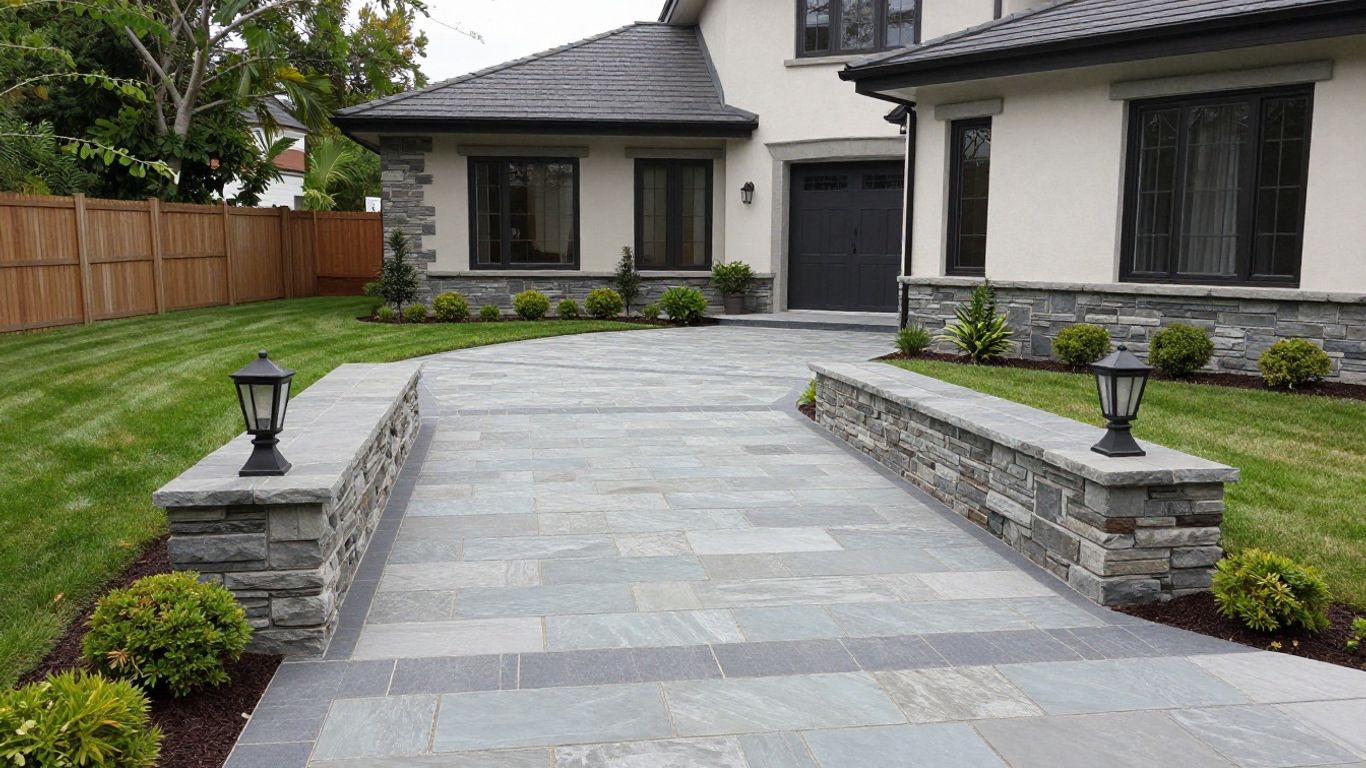
At Bennett, interlock projects fall into three investment ranges depending on scope, materials, and site conditions. Smaller patios, walkways, and single-feature installations typically run $4,500–$15,000. Mid-range projects – a full driveway, a larger backyard patio, or a combination of features – generally land between $15,000–$25,000. Larger or more complex jobs with premium materials, multiple features, or significant site prep come in at $25,000 and above. Patios and walkways generally cost less than driveways since they require a shallower base and lighter-duty preparation. The five factors below explain what moves your project from one range to the next – and what to watch for when comparing quotes.
Factor #1 – Project Type and Square Footage
Driveways vs. Patios vs. Walkways
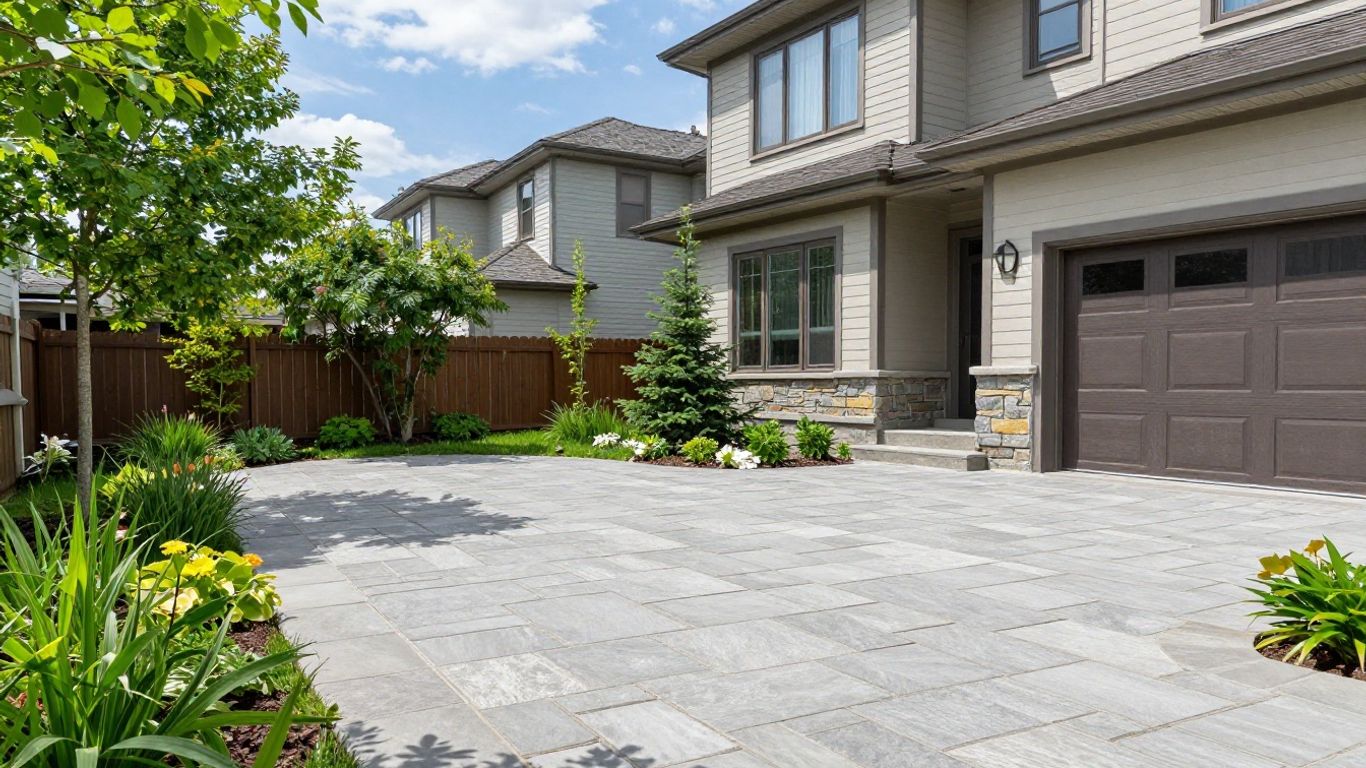
The specific purpose of your hardscape significantly impacts the base requirements and, consequently, the final installation price. Driveways, for instance, must be engineered to support the weight of heavy vehicles, which necessitates a thicker structural base compacted to rigorous standards. Walkways and patios are designed for pedestrian traffic and require less excavation depth. Because the depth of the sub-base and the density of the bedding material are tailored to these different use cases, the price point naturally fluctuates. Homeowners planning for a driveway typically see higher interlock installation costs due to the heavier-duty drainage and compression needs required for structural integrity. If you’re still deciding between a new installation or repairing what you have, our interlock repair services page covers when repair makes more sense than replacement.
Why Larger Projects Often Cost Less Per Square Foot
While a larger project brings a higher overall investment, the cost per square foot often decreases as the total area grows. The crew, equipment, and delivery costs don’t double just because the project does – so your cost per square foot drops on larger jobs. Transporting crews, machinery, and pallets of pavers to your site involves a set of fixed costs that do not change whether the crew is laying 100 or 1,000 square feet of stone. As the project expands, these overheads are spread across a larger surface, providing more efficiency for the contractor. Choosing to combine multiple tasks, such as a patio, walkway, and border, into one single phase of work can help keep your total expenses more manageable.
Factor #2 – Paver Material and Brand Selection
Standard Concrete Pavers vs. Premium Brands
Selecting the right stone is a balance between your personal aesthetic and the longevity you expect from your investment. Basic concrete paver units offer a functional and reliable solution for many homeowners, coming in at a lower per-unit price point. These materials are manufactured for consistency and ease of handling, which can lower labor costs during the installation process itself. When homeowners opt for premium brands or natural stone products, they are paying for heightened durability, unique textures, and aesthetic variations that cannot be found in standard industrial options. Investing in higher-quality materials directly influences how your hardscape performs through Ottawa’s freeze-thaw cycles – and how long it holds its appearance without needing repairs.
How Material Choice Affects Long-Term Value
The long-term value of a paver is dictated by its resistance to Ottawa’s harsh freeze-thaw cycles and ongoing environmental stressors. Premium materials often come with specialized sealing or manufacturing techniques designed to minimize fading and surface spalling over time. While the upfront interlock installation price is higher for premium materials, they require less maintenance and hold their appearance longer than entry-level alternatives. For a full breakdown of upkeep after your project is done, see our guide on maintaining interlocking paving stones. Choosing durable products mitigates the risk of needing premature repairs or replacements, effectively lowering your cost of ownership across the life of your landscaping improvements.
Factor #3 – Site Preparation and Ottawa’s Soil Conditions
Clay Soil and What It Means for Your Base Depth
Dealing with native clay soil is perhaps the most significant functional challenge for any Ottawa-based installation. We’ve seen patios shift 2–3 inches after the first spring thaw because the clay underneath wasn’t fully excavated. Clay swells when wet and shrinks when dry – if your base doesn’t go deep enough to get below that reactive layer, the movement follows your stones up. To combat this, installers must execute deeper excavations to remove the reactive clay and replace it with high-quality granular material. A deeper, properly consolidated base is the only way to ensure the long-term stability of your new interlock area, regardless of the stone type selected. We’ve written a detailed post on choosing the right interlock pattern for Ottawa clay soil if you want to understand how soil type affects both design and base requirements.
Site Access, Grading, and Drainage Work
Site accessibility is a major factor that can unexpectedly increase the cost of your project’s preparation phase. If your backyard has limited access for heavy equipment like excavators or skid steers, everything has to be moved by hand – we’ve had jobs where the crew spent a full day just wheelbarrowing gravel through a 30-inch gate before a single paver was touched. Grading and drainage are not optional add-ons – they’re what keeps water moving away from your foundation instead of pooling under your stones. Proper grading ensures that your patio or walkway meets the local building codes, preventing erosion and keeping your outdoor environment functional throughout the seasons.
Factor #4 – Design Complexity and Pattern Choice
The requested layout complexity is a direct driver of labor hours and precision requirements for your installers. Simple, running-bond patterns require less cutting and measuring, which keeps labor billing to a standard range. When you introduce complex patterns like herringbone or incorporate radius cuts and intricate inlays, the time spent on each individual stone increases significantly. This level of detail requires skilled labor to ensure everything aligns perfectly while maintaining the structural strength of the interlocking joints. At Bennett Lawn and Landscape, our team is trained through Landscape Ontario and ICPI (Interlocking Concrete Pavement Institute) standards – the certification that ensures your base compaction, edge restraint, and pattern cuts meet the structural requirements for Ontario’s climate.
Factor #5 – Removal of Existing Surfaces
Demolishing and disposing of old materials, such as cracked asphalt or outdated concrete, adds a distinct layer of cost to every project. This includes the labor of heavy machinery to break up the old surfaces and the subsequent dump fees charged by local waste facilities. You should ensure your quote specifies the removal of all underlying debris and old base material to get a fresh start on the subgrade. Ignoring the old base layer in favor of shortcuts often results in immediate drainage problems or premature settling of your new surface. If your existing driveway has cracks, gaps, or sinking, our post on fixing interlock driveway cracks and sinking can help you decide whether repair or full replacement is the right call.
What’s Usually Included in an Ottawa Interlock Quote
A truly professional estimate should be fully transparent and cover every aspect of the project lifecycle from start to finish. At a minimum, your quote must include the costs of site prep, excavation depth, procurement of high-quality base materials, geotextile fabrics to manage soil separation, sand for joints, and final mechanical compaction. The quote should also clearly separate the cost of stone materials from the labor component. Always review the quote for the inclusion of site safety and cleanup to ensure no hidden fees appear once the work is complete. At Bennett Lawn and Landscape, every interlock installation price quote is itemized – you’ll see excavation depth, base material grade, paver brand, polymeric sand, edge restraint, and cleanup as separate line items so you can compare quotes fairly.
Add-Ons That Affect the Final Price
Steps, Retaining Walls, and Borders
Structural additions like retaining walls or integrated stone steps will significantly shift your final budget. Retaining walls require specific structural block systems and a compacted crushed-stone base to hold back the earth – pricing varies depending on wall height, block type, and site conditions. Our retaining wall installation page covers design options and what’s involved. For properties where a raised patio connects to a lower yard level, we often combine interlock with retaining work in a single project phase to save on mobilization costs. You can also see real examples of finished projects in our project gallery.
Lighting, Sealing, and Heating Systems
Low-voltage landscape lighting integrated directly into the stonework can elevate the look of your patio while adding significant, recurring expenses. Additionally, while some materials are maintenance-free, others benefit from professional-grade sealing to block stains and enhance color vibrancy. Some homeowners in colder regions may even explore snow-melt heating systems installed under their driveway, though this technology is a major infrastructure cost that requires specialized electrical work.
How to Get an Accurate Interlock Installation Price in Ottawa
The most accurate interlock installation cost estimate comes from an on-site assessment – not an online calculator. When you contact a contractor, have your square footage measured and a rough idea of your preferred material and design. Ask specifically how deep they plan to excavate and what base material they’ll use. In Ottawa’s clay-heavy ground, anything under 10 inches of compacted Granular A for a driveway is a red flag. Ask for a written, itemized quote so you can compare scope – not just the bottom-line number. You can also check our landscaping price guide for general budget ranges across our services. Ready to get a number for your specific property? Request a free quote or call us directly at (613) 795-2017 – we’ll come out, assess the site, and give you a written estimate with no obligation.
Conclusion
Interlock installation cost varies by project, but the fundamentals don’t: proper base depth, quality materials, and a contractor who can explain every line on the quote. By getting a detailed written estimate and asking the right questions upfront, you protect your investment for decades. If you’re still in the research phase, our hardscape company in Ottawa page covers the full range of what we do. When you’re ready to move forward, get in touch or call (613) 795-2017.
Frequently Asked Questions
How does the type of soil in my yard impact installation prices?
Ottawa is known for clay-heavy soil which is prone to shifting when wet or cold. Because this soil type is unstable, contractors must excavate deeper and use more granular material to create a secure, long-lasting base, which directly increases the labor and material costs compared to sites with sandy or well-draining soil.
Can I save money by clearing the existing materials myself?
You might be able to reduce your labor costs by removing old pavement or debris before the installers arrive, but you should always coordinate this with your contractor first. They may have specific preferences for how the removal is handled or may include removal in their package as a way to guarantee the site is prepared correctly for their own standards.
Are there specific times of the year that are cheaper for stone installation?
While labor demand is generally high throughout the spring and summer, some contractors offer incentives or improved scheduling during the late fall transition. However, installation should never be rushed or done during sub-zero temperatures, as the ground preparation must be accurate to ensure the project does not settle when the spring thaw arrives.
Should I always choose the thickest pavers available for my patio?
For a standard pedestrian patio, standard-thickness pavers are usually sufficient and more cost-effective. Thicker, heavy-duty stones are specifically designed for driveway use where vehicular traffic necessitates extra support to prevent cracking, so over-specifying your material for a pedestrian area usually only adds unnecessary cost.
How long should I expect an interlocking stone installation to last?
A properly installed interlock surface – with 10–12 inches of compacted Granular A base for driveways, or 6–8 inches for patios – can last 25–35 years. The pavers themselves often last longer; it’s the base layer that determines overall lifespan. Key maintenance is simple: top up polymeric sand every 3–5 years and seal the surface every 2–3 years to prevent joint erosion and weed intrusion. Our post on preventing frost heave damage to interlock stonework covers what to watch for through Ottawa winters specifically.
Is it necessary to seal my interlocking stones after installation?
Sealing isn’t mandatory but is strongly recommended, especially in a climate with hard winters and road salt exposure. It should be done 60–90 days after installation once the polymeric sand has fully cured -sealing too early traps moisture. Cost runs $1–$3 per square foot for professional application.
Will installing a larger project actually reduce my overall quote?
While a larger surface area will always result in a higher total dollar amount, the per-square-foot cost often drops for larger projects because the contractor can distribute their fixed mobilization and logistics overheads more efficiently. This often makes it more economical to tackle a larger renovation in one go rather than attempting to break it into several small, disconnected projects.